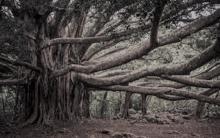

ಶತಾವಧಾನಿ ಡಾ|| ಆರ್. ಗಣೇಶರು ರಚಿಸಿರುವ ಹತ್ತು ಸಣ್ಣಕತೆಗಳ ಸಂಕಲನ ‘ಪುಟಗಳ ನಡುವಣ ನವಿಲುಗರಿ’. ಇದರ ಬಣ್ಣಗಳ ಬೆಡಗನ್ನು ಇಲ್ಲಿಯದೇ ನೂರಾರು ಕಣ್ಣುಗಳ ಮೂಲಕ ಓದುಗರಿಗೆ ಕಾಣಿಸಿಕೊಡುವ ಯತ್ನ ಸದ್ಯದ ಲೇಖನದ್ದು. ಸಾಮಾನ್ಯವಾಗಿ ಪುಸ್ತಕ ಓದುವಾಗ ಪುಟಗಳ ಗುರುತಿಗಾಗಿ ಚೀಟಿಯೊಂದನ್ನು ಬಳಸುತ್ತೇವಷ್ಟೆ. ಹಿಂದಿನ ಕಾಲದಲ್ಲಿ (ಈಗಲೂ ಈ ಪರಿಪಾಟಿ ಇದ್ದಲ್ಲಿ ಸಂತೋಷ!) ಇದಕ್ಕಾಗಿ ನವಿಲುಗರಿಯನ್ನು ಉಪಯೋಗಿಸುತ್ತಿದ್ದರು. ಹೀಗೆ ಪುಟಗಳ ನಡುವೆ ಇರಿಸಿದ ನವಿಲುಗರಿ ಮರಿ ಹಾಕುವುದೆಂದು ಮಕ್ಕಳ ಮುಗ್ಧ ವಿಶ್ವಾಸ. ಮಕ್ಕಳದ್ದಷ್ಟೇ ಅಲ್ಲ, ಮುಗ್ಧತೆಯನ್ನು ಕಳೆದುಕೊಂಡಿರದ ಹದಿಹರೆಯದ ಹುಡುಗ-ಹುಡುಗಿಯರಿಂದ ಜೀವನಸಂಧ್ಯೆಯಲ್ಲಿರುವ ವೃದ್ಧರವರೆಗೆ ಎಲ್ಲರ ನಂಬುಗೆಯೂ ಇದೇ. ಈ ಬಗೆಯ ವಿಶ್ವಾಸವೇ ಜೀವನದ ಶ್ವಾಸ.
Author:shashikiran
The story that began in Pratijñā-yaugandharāyaṇa continues in the play Svapna-vāsavadatta. Yaugandharāyaṇa and Vāsava-dattā work together in order to get Udayana married to Padmāvatī. In this play too, Udayana does not come to the fore as the primary character. Though Padmāvatī plays a prominent role, Vāsava-dattā is a more important character. Every event is designed with Vāsava-dattā as the locus. Udayana feels as if he saw her in his svapna – dream and the story goes ahead to tell us the reason behind the dream and its effect on the rest of the characters.
यह स्थिति सनातन धर्म में चन्द्रगुप्त विक्रमादित्य तथा कुमारगुप्त के समय तक भी बनी रही। ऐतिहासिक ग्रंथों तथा अभिलेखों से ज्ञात होता है कि ईसा की पांचवी तथा छठी शाताब्दी तक इस प्रकार का सांस्कृतिक समायोजन तथा समावेश सफलता पूर्वक होता रहा था। अन्य देश, समुदाय तथा संस्कृति के लोग भारत में आये और उन्होने अपनी पसंद के अनुसार वर्ण धारण कर लिया चाहे वह ब्राह्मण, वैश्य अथवा अन्य वर्ण हो। उदाहरण स्वरुप उत्तर भारत के नागर-ब्राह्मण जिनके उपनाम नागर, भटनागर आदि है मूलरुप से ब्राह्मण जाति से संबंध नही रखते थे और यही बात चितपावन ब्राह्मणों पर भी समान रुप से लागू होती है। और इस
The differences between the three matas are due to the various interpretations of the Śruti and not because of their acceptance or otherwise of Vedic testimony. The very aspect of Saṃskṛta language that is the reason for its beauty is also the reason for certain disadvantages. That it provides room for alternate interpretations by creative use of logic and grammar is simultaneously its merit and demerit. Let us look at a simple example. In his commentary on the Bhāgavata, Śrīdharasvāmi has written a śloka, as below :
ಉನ್ನತ ಮಟ್ಟದ ವಿದ್ವಾಂಸರೆಂದು ಪ್ರಖ್ಯಾತರಾಗಿದ್ದ ಗೋವಿಂದ ಪೈಗಳಿಗೆ ಶ್ರೇಷ್ಠ ಕವಿಗಳೆಂಬ ಯುಕ್ತ ಖ್ಯಾತಿ ಬಂದದ್ದು ಬಹುಶಃ ‘ಗೊಲ್ಗೊಥಾ’ ಮತ್ತು ‘ವೈಶಾಖಿ’ ಖಂಡಕಾವ್ಯಗಳಿಂದಲೇ. ಇವನ್ನು ಖಂಡಕಾವ್ಯಗಳೆನ್ನುವುದಕ್ಕಿಂತ ಮಹಾಕಾವ್ಯಖಂಡಗಳೆಂದು (Epic Fragments) ಗುರುತಿಸುವುದು ಒಳಿತೆಂಬುದು ಎಸ್. ಅನಂತನಾರಾಯಣ ಅವರ ಅಭಿಪ್ರಾಯ.[1] ಅವರ ಈ ನಿಲವು ಒಪ್ಪುವಂಥದ್ದೇ ಆಗಿದೆ. ಈ ಎರಡು ಕೃತಿಗಳಿಂದಲೇ ಪೈಗಳನ್ನು ನಮ್ಮ ನಾಡಿನ ಮೊತ್ತಮೊದಲ ರಾಷ್ಟ್ರಕವಿಯೆಂದು ಅಂಗೀಕರಿಸಿದಲ್ಲಿ ತಪ್ಪಾಗದು. ಇವನ್ನು ಕುರಿತು ಅನೇಕ ವಿಮರ್ಶಕರೂ ವಿದ್ವಾಂಸರೂ ಸಾಕಷ್ಟು ವಿಶದವಾಗಿ ಬರೆದಿದ್ದಾರೆ. ಇವರ ಪೈಕಿ ಜಿ. ಪಿ. ರಾಜರತ್ನಂ, ರಂ. ಶ್ರೀ. ಮುಗಳಿ, ಜಿ. ವರದರಾಜರಾವ್, ಎಸ್. ಎಂ. ವೃಷಭೇಂದ್ರಸ್ವಾಮಿ, ಎಲ್.

Parimalapadmagupta
Parimalapadmagupta or Parimalagupta is the author of the historical poem, Navasāhasāṅkacarita. This work describes the attainments of Sindhula, Bhoja’s illustrious father. A verse from this work is significant to our discussion:
चक्षुस्तदुन्मेषि सदा मुखे वः
सारस्वतं शाश्वतमाविरस्तु।
पश्यन्ति येनावहिताः कवीन्द्राः
त्रिविष्टपाभ्यन्तरवर्ति वस्तु॥ (1.4)
The original work of Bṛhatkathā is not available today. However, we can infer its structure and content based on the Kathā-saritsāgara. The main storyline relates to Udayana and his son Naravāhana-datta and comes with a large number of sub-stories. It seems like the story of Udayana was as popular as the stories of Rāmāyaṇa, Mahābhārata, and Bhāgavata in the past.
उस समय में वेदों का अनुसरण करने वालों ने भी बौद्ध धर्म का बहिष्कार नहीं किया था। सातवाहनों ने न केवल सांची स्तूप के द्वारों का निर्माण करवाया अपितु अमरावती ने एक पूरे स्तूप का निर्माण भी करवाया। उसके कुछ अंश चेन्नई, एगमोर के शासकीय संग्रहालय तथा ब्रिटिश संग्रहालय में प्रदर्शनार्थ रखे हैं[1]। दिखाई दे रहा है वैसा तो उस समय राजगुरुओं के मध्य भी नहीं था। संभवतः संप्रदाय विशेष की भावना से प्रेरित कुछ मतावलम्बी रचनाकारों की कृतियों ने अन्य पंथो के प्रति इस प्रकार घृणा भाव को जन्म दिया हो। इस प्रकार क
A Subtle Concept
The truth explained in this appendix is that of the paramārtha.