
Author:sandeep
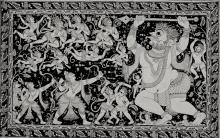

অর্জুনকে শোক থেকে বিরত থাকার জন্য অনুরোধ করে কৃষ্ণ গীতার সূচনা করেন – “জীবিত বা মৃত, কারোর জন্য অশ্রুপাত করনা” (ভ. গী. ২.১১)। এবং তিনি গীতার পরিসমাপ্তিও করেন অর্জুনকে শোক থেকে বিরত থাকার জন্য অনুরোধ ক’রে – “আমার উপর বিশ্বাস রাখ। আমি তোমাকে মোক্ষ প্রদান করব। তুমি কেঁদো না” (ভ. গী. ১৮.৬৬)। ক্রন্দন থেকে বিরত থাকার এই দুটি মন্ত্রণার মাঝেই তিনি গীতার সমস্ত শিক্ষাদান করেন। কিন্তু কৃষ্ণ তাঁর নিজের জীবনে কি কখনও অশ্রুপাত করেছেন ?
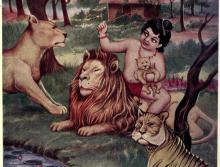
Duṣyanta – “Listening to the story you just narrated confirms that you indeed are a princess from a royal lineage. Please be my wife! Tell me what you desire to have! Golden necklaces, clothing, earrings, bangles, gems and gold coins – I will give them all. My entire kingdom will be yours. Please be my wife. Let us get married through gāndharva-vivāha. It is the best among the various kinds of marriages.”
Śakuntalā – “O King! My father is gone to fetch fruits. Once he comes back, he will hand me over to you!”

Footprints of Scholarly Temerity
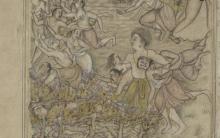
ಆ ರಥದ ಸ್ವರೂಪದ ವಿವರಣೆಯನ್ನು ಓದಿದ ಮೇಲೆ ರಥ ಎಂದರೆ ಹೇಗಿರಬಹುದೆಂಬ ಬೃಹತ್ ಕಲ್ಪನೆ ನಮ್ಮ ಮುಂದೆ ಸುಳಿಯುತ್ತದೆ.
ಅರಸ ಕೇಳೈಹತ್ತು ಸಾವಿರ-
ತುರಗನಿಕರದ ಲಳಿಯ ದಿವ್ಯಾಂ-
ಬರದ ಸಿಂಧದ ಸಾಲ ಸತ್ತಿಗೆಗಳ ಪತಾಕೆಗಳ |
ಖರರುಚಿಯ ಮಾರಾಂಕವೋ ಸುರ-
ಗಿರಿಯ ಸೋದರವೋ ಮೃಗಾಂಕನ
ಮರುದಲೆಯೊ ಮೇಣೆನಲು ರಥ ಹೊಳೆದುದಂಬರದಿ || (ಅರಣ್ಯ ಪರ್ವ 7.12)

கல்வி மற்றும் நடத்தைக்கான விதிமுறை[1]
வேதம் கற்பதன் குறிக்கோள் மந்திரங்களை மனப்பாடம் செய்வது மாத்திரம் அல்ல. பாடத்தின் பொருளையும் மாணவர்கள் அறிந்திருக்க வேண்டும். பண்டைய அறிஞர்கள் பலர் குருட்டு மனப்பாடத்தை கண்டனம் செய்தும், பொருளுணர்ந்து (தியானித்து) பயில்வதைப் போற்றியும் உள்ளனர். இவ்வாறிருப்பினும், பல நூற்றாண்டுகளாக வேதம் பயின்றவர்கள் பொருளறியாமல் அவற்றை மனனம் மாத்திரமே செய்து வந்தனர். இது இன்றும் தொடர்கிறது.
பிரம்மசாரியின் நடத்தைக்கான கோட்பாடுகளை பல நூல்கள் விதிக்கின்றன. அவற்றுள் சில:

There lived a king named Duṣyanta who belonged to the lineage of Puru. He was valorous and was ruling over the earth in a dhārmic manner. There was no varṇa-saṅkara, i.e., mixing of the varṇas in his kingdom. There were no hardships faced for cultivation of crops and for growing food. All citizens got their share of artha and kāma by strict adherence to dharma. No one committed sins. People knew no fear of thieves; they did not even know what hunger felt like and were never tormented by diseases.