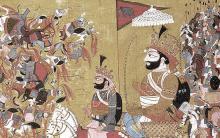
ಕುಮಾರವ್ಯಾಸನಲ್ಲಿ ಕಂಡು ಬರುವ ಯುದ್ಧ ತಂತ್ರ (Stratergy of War)


.... continued from Part 24 of the article
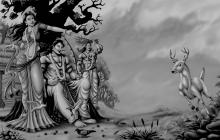
According to Agastya’s instructions, when Sri Rama goes and resides in Panchavati, the major events in the story occur there. Shurpanakha sees Sri Rama, becomes infatuated with him, approaches him and pleads with him, “become my husband.” As Rama rejects her proposal, he makes fun of her.
anujaḥ tu eṣa me bhrātā śīlavān priya darśanaḥ ।
śrīmān akṛta dāraḥ ca lakṣmaṇo nāma vīryavān ॥ (Aranyakanda: Sarga 18:3)
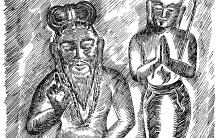
It is in the literature bestowed upon us by Maharṣi Veda-vyāsa that we find the roots of the elements that we today identify as being unique to Indian cultural heritage. Vyāsa was the one who organized and arranged the Vedas, which are the fundamental records of all the wisdom-treasure of India. In fact, it is this extraordinary accomplishment that gave him the name ‘Vyāsa.’[1]
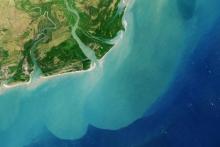
The word ‘Kathā-sarit-sāgara’ literally means an ocean that is formed as a result of the confluence of many rivers of stories. Though the name of the work is famous and is largely in vogue today, a question naturally arises – did the author name the work so or did it get the name in the recent years. The word ‘Kathā-sarit-sāgara ’ occurs in the closing verse of the work.[1] The verse, however, is quite different from the others in its structure and is present at the end of the work.
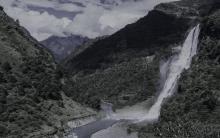
Previously we observed scholarly spats at the level of individuals. What happened when these debates were escalated to royal courts? Let us see.
Rāja-śekhara-sūri’s Prabandha-kośa records an episode of repartee between Hari-hara and Madana, the court-poets of Vīra-dhavala, the emperor of Gujarat:
‘Kavi-rāja’ (the best among poets) was Hari-hara’s honorific title. Wanting to trifle it, Madana said:
हरिहर परिहर गर्वं कविराजगजाङ्कुशोऽस्म्यहं मदनः।
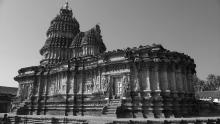
The stature that belonged to R Narasimhacharya[1] in the history of Kannada literature was earned in Telugu literature by Kandakuri Veeresalingam Pantulu.
Veeresalingam Pantulu has written the history of Telugu poets[2]. He has written a few novels as well. I’ve heard that he has also composed a few poetical works. A few of his novels have been translated into Kannada: