
Alexander Solzhenitsyn, the Nobel Laureate (1970, for literature), is one of the eminent writers of Soviet Russia of the twentieth century. Although he won the most coveted Noble Prize he was expelled from the USSR’s union of writers, and he was denied the use of state archives and libraries. Besides, Solzhenitsyn was ostracized by Soviet officialdom. The then Russian government did not permit Solzhenitsyn to receive the Nobel Prize. Luckily, Solzhenitsyn had already left for the United States of America by the time the Prize was announced.
Author:Prof. L V Shantakumari

Documentary on the birthplace of Adi Shankaracharya.
<
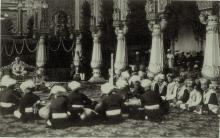
Vina Sambayya was not only an accomplished player of the Vina, but was austere and orthodox in his conduct. He also knew astrology and Ayurveda. The Mysore Maharaja Krishnaraja Wodeyar III reposed great trust and respect in him. He often consulted him on intimate matters and sought his advice. Given this, isn’t it natural that at least a few music-Vidwans in Krishnaraja Wodeyar’s court felt jealous of him?
V
ರಂಗರೂಪಕವು (stage play) ಪ್ರಧಾನವಾಗಿ ಆಂಗಿಕ-ವಾಚಿಕಾಭಿನಯಗಳ ಪ್ರಾಧಾನ್ಯದಿಂದ ಮೂಡುವ ಸಾತ್ತ್ವಿಕಾಭಿನಯವನ್ನು ಆಶ್ರಯಿಸಿ ಕಲೆಯನ್ನು ಸೃಜಿಸುತ್ತದೆ, ಇಲ್ಲಿ ಆಹಾರ್ಯವು (ವೇಷ-ಭೂಷಣ-ಪರಿಕರ-ರಂಗಸಜ್ಜಿಕೆ ಇತ್ಯಾದಿ) ತುಂಬ ಸರಳ, ಸಾಂಕೇತಿಕ. ಆದರೆ ಯವನಿಕಾರೂಪಕವು (screen play) ಹಾಗಲ್ಲ. ಇದು ಆಹಾರ್ಯವನ್ನು ತುಂಬ ವ್ಯಾಪಕವಾದ ರೀತಿಯಲ್ಲಿ ಬಳಸಿಕೊಳ್ಳುವುದಲ್ಲದೆ ಆಂಗಿಕ-ವಾಚಿಕಗಳನ್ನೂ ಯಂತ್ರಗಳ ಮೂಲಕ ಗ್ರಹಿಸಿ ಪುನಾರೂಪಿಸುವ ಕಾರಣ ಇವುಗಳಿಗೆ ಬೇರೆಯೇ ಆದ ಬೆಡಗು ಒದಗುತ್ತದೆ.
I
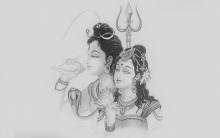
ಮಹಾಕವಿ ಕಾಳಿದಾಸನ ಮಹಾಕೃತಿ ಕುಮಾರಸಂಭವವನ್ನು ಕುರಿತು ಜಗತ್ತಿನ ಅನೇಕಭಾಷೆಗಳಲ್ಲಿ ಅಸಂಖ್ಯಗ್ರಂಥಗಳೂ ಲೇಖನಗಳೂ ಬಂದಿವೆ. ಆಂಶಿಕವಾಗಿ, ಸಮಗ್ರವಾಗಿ, ಗದ್ಯ-ಪದ್ಯಾತ್ಮಕವಾಗಿ ನೂರಾರು ಅನುವಾದಗಳೂ ಸಾವಿರಾರು ಅನುಕರಣಗಳೂ ಇದಕ್ಕುಂಟು. ಹೀಗೆ ಬೃಹತ್ತಾದ ಗ್ರಂಥಾಲಯಕ್ಕೂ ಹೆಚ್ಚಾಗಬಲ್ಲಷ್ಟು ಸಾಹಿತ್ಯವಿರುವ ಕುಮಾರಸಂಭವವನ್ನು ಕುರಿತು ಹೊಸತೆನ್ನುವುದನ್ನು ಹೇಳಬಯಸುವವರಿಗೆ ಎಂಟೆದೆ ಬೇಕು. ಆದರೆ ಇಂಥ ಮಹಾಕಾವ್ಯವನ್ನು ಕುರಿತು ಪುನರುಕ್ತಿಪ್ರಾಯವಾದ ಮಾತುಗಳನ್ನಾಡುವ ಬರೆಹವೂ ಮೂಲಾಶ್ರಯದ ಮಾಹಾತ್ಮ್ಯದ ಕಾರಣ ಅಷ್ಟಿಷ್ಟಾದರೂ ಸ್ವಾರಸ್ಯವನ್ನು ತಳೆಯದಿರಲಾರದೆಂಬ ನಚ್ಚಿನಿಂದ ಈ ಲಘುಲೇಖನವನ್ನು ಮೊದಲಿಡುವುದಾಗಿದೆ.
Hinduism is one of the major world religions with a following of over a billion people spread across all over the globe but largely concentrated in India. Some people don’t consider Hinduism a religion but rather a way of life or a sanatana dharma (loosely translated as ‘eternal system’). It doesn’t have a single founder nor does it have a standalone scripture; further, it has been constantly developing and evolving over six millennia.
A insightful talk in Sanskrit by Prof. Ashok Aklujkar on the river Sarasvati.

A rare interview of Dr M. Balamuralikrishna, the musical polymath, where he discusses voice culture.

Let us focus on shrngaaraabhinaya (expression of shrngaara – love) that is based on graceful dance (laasya). Like mentioned in the previous article, delineation of female characters has been the focus of most dance forms for centuries. We are familiar with love-poems related to women and their depiction in dance. When men started performing dance based on shrngaara, some difficulties probably arose. In fact, it is rather apt for dancers to put on the roles described in the lyrics, regardless of the actual gender of the dancers.