Author:Sripriya Srinivasan

சிவனை வர்ணிக்கையிலே, நாம் அவனது பண்பு மற்றும் வடிவினை எடுத்து விளக்காமல், அவனது உருவகங்களையே எடுத்து விளக்கினோம். ஏனெனில் மனித இயல்பினைப் புரிந்துகொள்வதென்பது சுலபமான காரியமல்ல. ஆனால் ஒரு குறிப்பிட்ட சமூகத்தினரிடையே பொதுவான பல தன்மைகளைக் காண முடிகிறது.

நமது சம்பிரதாயங்களில், சிவன் ‘அவதாரம்’ ஏற்பதில்லை. மாறாக, விஷ்ணுவோ பல அவதாரங்கள் ஏற்று வருகிறான். இதற்கென்ன காரணம்? நாம் குடும்பத்திலோ அல்லது ஓர் அமைப்பிலோ வெவ்வேறு கதாபாத்திரங்களாக அங்கம் வகிக்கிறோம். ஆனால் ஒரு தனி நபராக, நாமே நம்மிடத்தில் நடிக்க வேண்டிய தேவையில்லை. தனி மனித லட்சணத்திற்கான அவ்வடையாளமாய் சிவன் விளங்குகிறான்.
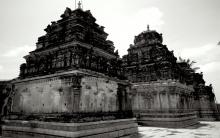
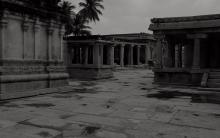
Now, a tragic episode. Sri Venkatanarana Bhatta’s wife (I think her name is Smt Venkamma. I can’t clearly recollect it now) hit upon a plan that seems bizarre. There’s a road that passes to the southern side of my house. Next to it is the Kopparam Vaishya function hall, a massive stone building. She encamped in one of the rooms there. With a large metal pot in her hand, she began going to a few houses, begging for food. The inmates of the houses would ask:

Sri Venkatanarana Bhatta hailing from Mulbagal was a relative and a disciple of Sri Venkatarama Bhatta. His speech was affected with mild stammering but that didn’t come in the way of his Pourohitya.

Sri. Hebbani Sheshacharya belonged to an era when thirty-five ounces (roughly a kilogram) of rice was available for just a rupee and six tender coconuts could be bought for a single paisa. He was highly learned in Sanskrit literature and Dvaita philosophy. He was already old when I first saw him. Even at that age, his personality was a sight to behold. And he spoke affectionately as well. That is the reason his memory is vivid in my mind.

ಆದರೆ ನಾವು ಇಂಥ ಆಂಶಿಕಸತ್ಯಗಳನ್ನೇ ಬೆಂಬತ್ತಿ ಬಸವಳಿಯುವುದು ಅನಪೇಕ್ಷಿತ. ಕೇವಲ ನಿರ್ವಿಶಿಷ್ಟಸಾರ್ವತ್ರಿಕಾನುಭವದ ತಿಳಿಬೆಳಕಿನಲ್ಲಿ ಎಲ್ಲ ಸತ್ತೆಗಳನ್ನೂ ಗಮನಿಸಿ ನಿರ್ಣಯಿಸೋಣ. ಭರತಮುನಿಯು ಹಾಸ್ಯರಸವನ್ನು ಆತ್ಮಸ್ಥ ಮತ್ತು ಪರಸ್ಥವೆಂದು ಇಬ್ಬಗೆಯಾಗಿ ವಿಂಗಡಿಸಿದ ಸಂಗತಿಯನ್ನು ಈಗಾಗಲೇ ನೋಡಿದೆವಷ್ಟೆ. ಆದರೆ ಈ ವಿಭಾಗದಲ್ಲಿ ನಗುವವನು ಮತ್ತು ನಗಿಸುವವನು ಎಂಬ ಎರಡು ಮುಖಗಳು ಮಾತ್ರ ತೋರುತ್ತಿವೆಯಲ್ಲದೆ ಮತ್ತೇನೂ ವಿಶಿಷ್ಟತೆಗಳಿಲ್ಲಿಲ್ಲ. ಮುಖ್ಯವಾಗಿ ಈ ವಿಭಾಗಕ್ರಮವು ದೃಶ್ಯಕಾವ್ಯವನ್ನು ಗಮನದಲ್ಲಿರಿಸಿಕೊಂಡಿದೆ. ನಗಿಸಲೆಂದೇ ನಿಶ್ಚಿತರಾದ ವಿದೂಷಕರಂಥವರಿರಲು ಇಂಥ ವಿಭಾಗಗಳು ಅನಿವಾರ್ಯ ಮತ್ತು ಯುಕ್ತಿಯುಕ್ತವೂ ಹೌದು. ಅಲ್ಲದೆ, ನಗಿಸಲೆಂದೇ ನಿಯುಕ್ತನಾದವನು ತನ್ನ ನಗೆಯುಕ್ಕಿಸುವ ಬಗೆಗಳಿಗೆ ತಾನೇ ನಗಲಾರನಷ್ಟೆ!

ಹಾಸ್ಯವು ಸರ್ವಜನಮನೋಭಿರಾಮವಾದ ರಸ. ಇದನ್ನು ಕುರಿತು ಲಕ್ಷಣವಿವೇಚನರೂಪವಾಗಿ ಚಿರಂತನಭಾರತೀಯಕಾವ್ಯಮೀಮಾಂಸೆಯು ಹೆಚ್ಚಾಗಿ ಹೇಳದಿದ್ದರೂ ಇದರ ಪ್ರಾಮುಖ್ಯವನ್ನು ಲಕ್ಷ್ಯಾತ್ಮಕವಾಗಿ ನಮ್ಮ ಸಾಹಿತ್ಯಲೋಕವು ಚೆನ್ನಾಗಿಯೇ ಗುರುತಿಸಿದೆ. ಇದಕ್ಕೆ ಅಭಿಜಾತ-ಅನಭಿಜಾತ-ಆಧುನಿಕ-ಪ್ರಾಚೀನಾದಿ ಭೇದವಿಲ್ಲದೆ ಸರ್ವತ್ರ ಮಾನ್ಯತೆಯೇ ಸಂದಿದೆ. ಪಾಶ್ಚಾತ್ಯಸಾಹಿತ್ಯಜಗತ್ತಿನಲ್ಲಿ ಕೂಡ ಚಿರಂತನರಾದ ಅರಿಸ್ಟಾಟಲ್, ಲಾಂಜೈನಸ್, ಹೊರೇಸ್ ಮುಂತಾದವರು ಹಾಸ್ಯನಿರೂಪಣಕ್ಕೆ ಹೆಚ್ಚಿನ ಅವಧಾರಣೆಯನ್ನು ಹಾಕಿಲ್ಲವಾದರೂ ಅಲ್ಲಿಯ ಸಾಹಿತ್ಯವಿಸ್ತರವಾಗಲಿ, ಆಧುನಿಕರ ವಿವೇಚನೆಗಳಾಗಲಿ ಈ ರಸಕ್ಕೆ ಯುಕ್ತವಾದ ಮನ್ನಣೆಯನ್ನೇ ನೀಡಿವೆಯೆಂಬುದು ನಿಶ್ಚಪ್ರಚ.

Buddha approved of and loved both the system of republics as well as the system of monarchy. He himself came from a republics establishment; he belonged to the Śākya-gaṇa. The republic that lay close to it was the Kolīya-gaṇa. There was a huge quarrel between the Śākya-gaṇa and the Kolīya-gaṇa with regard to sharing the waters of the River Rohiṇī.

The Pāṇḍavas wandered from one forest to another for several days.[1]