
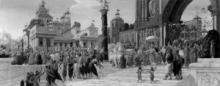
Vidura said, “Dear king!
Author:A R Krishna Sastri
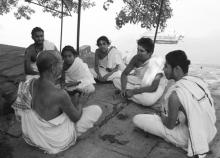
If there’s anything good in my life, Sri Vedamurti Venkatarama Bhatta is one of the people responsible for it. He is akin to my grandfather.

Once my craze for English came under control, the craze for Kannada began. During those days [i.e. the early 20th century], for people of my age, a prominent name amongst living legends was Bal Gangadhar Tilak (1856–1920). “Tilak is singularly brave; everyone else falls short in comparison with him; Tilak is the only man-lion!” – these were our thoughts during that time. It appears those words were true.
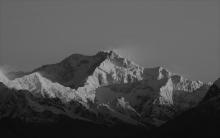
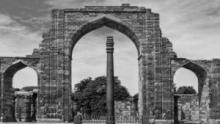
An entire galaxy of eminences in Astronomy such as Brahmagupta, Varahamihira, Aryabhata and Bhaskara I belonged to the Gupta Era. A major benefit that ensued as a result of the advancement in Astronomy was the ease in and flourishing of maritime trade and commerce. Predicting rain and harvest became more accurate. It was an era when the Mariner’s Compass had not yet been invented. It was perhaps the invention of the Chinese.
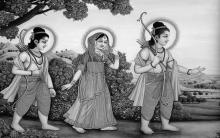

Duryodhana’s spies brought news that Draupadī was married off to the Pāṇḍavas; the archer who bent the bow, strung it, and shot the target was none other than Arjuna; the one who lifted and whirled Śalya, uprooted trees, and vanquished everyone in combat without himself losing his composure was Bhīma.
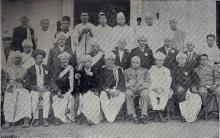
We know that in December 1919, the Mysore People’s Convention, a citizens’ initiative, met in Bangalore. Among the members who came to attend the meeting, around seven or eight of them stayed in the house of sub-judge Lakshminarayanappa, who lived on Hardinge Road, Shankarapuram. This crowd included M Venkatakrishnayya from Mysore, Srinivasaraya, Vasudevaraya, and Narasingaraya from Chikkamagalur, along with a few others.
In 1922, the Kannaḍa Sāhitya Sammeḻana[1] was held at Davanagere. That year, Mysore’s Vṛddha Pitāmaha[2] Sri. M. Venkatakrishnayya presided over the conference. The service he rendered to the Mysore region at large and to Kannada language and literature is widely known. Sixty to seventy years of his ceaseless, multidimensional service to society, is remembered as a virtuous life[3] in our state’s history.
ಯತ್ಸಾರಸ್ವತರಸಸಿದ್ಧ ಏವ ಶುದ್ಧಃ ಸರ್ವೋऽದ್ಧಾ ವಿಲಸತಿ ವಾಚ್ಯವಾಚಕಾತ್ಮಾ | ಕಾಶ್ಮೀರೀ ಜಯತಿ ಜಗದ್ಧಿತಾವತಾರಃ ಸ ಶ್ರೀಮಾನಭಿನವಗುಪ್ತದೇಶಿಕೇಂದ್ರಃ ||
—ಗುರುನಾಥಪರಾಮರ್ಶಃ