
DVG’s conception of a strong and prosperous Bharata was a mixture of Yoga and Kshema; Yoga in the sense of having an opportunity to obtain something and Kshema in the sense of retaining and sustaining it safely.
Author:Sandeep Balakrishna
One of the Kannada literary giants of the twentieth century, K V Puttappa (Kuvempu) once classified[1] literature as Sakaala (timely) and Trikala (timeless) literature. Given the innate nature of the medium, journalistic (news reports, opinion pieces, editorials, magazine essays) literature belongs to the former category. Yet, in the hands of masters, even this category of literature takes on a quality of timelessness.
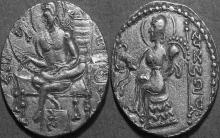
Samudragupta had a wife named Dattadevi. Ramagupta and Chandragupta Vikramaditya were their sons. We are fortunate to know their names and other details from the coins that were minted in that era. A great economic, cultural, and social revolution took place in the Gupta Age. We can see in history how the span, the vastness, and the kṣātra (of the Gupta Age) protected people in all stages of life, from all walks of life.
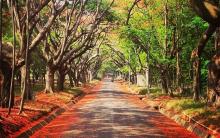
On the arrival of the spring, trees shed their old leaves and sprout all over and the extreme climate gives way to a pleasant one. Trees grow prosperous with fragrant flowers and attract flocks of excited birds and insects. Spring implies ‘love is in the air’ for all. Many animals and birds flock and breed at this time. Spring is most suitable for travel, outings and outdoor celebrations.
९
ऋत-सत्ययोरर्थभेदस्तैत्तिरीयब्राह्मणस्य वचनेनानेन स्पष्टीभवति।
“ऋतं त्वा सत्येन परिषिञ्चामीति नायं परिषिञ्चति। सत्यं त्वर्तेन परिषिञ्चामीति प्रातः। अग्निर्वा ऋतम्। असावादित्यः सत्यम्। अग्निमेव तदादित्येन सायं परिषिञ्चति। अग्निनादित्यं प्रातः सः।”
Plot:
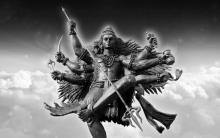
சிவன் தனது ஒரு கையில் உடுக்கையை ஏந்தி நிற்கிறான். லயத்தின் தலைவன் லய வாத்தியம் வாசிக்கிறான். சமஸ்கிருதத்தின் அடிப்படை ஆதாரமான ‘மஹேஷ்வர-ஸூத்திரங்கள்’ சிவன் தனது உடுக்கையைத் தட்டுகையிலேயே ஏற்பட்டன என்று நம்பப்படுகிறது. சிவன் தனது உடுக்கையை ஒலிக்கச் செய்கையிலே, தமிழ் ஒரு பக்கமும் சமஸ்கிருதம் மற்றொரு பக்கமுமாக வெளிவந்தன என்ற அழகான ஒரு கருத்தினைத் தமிழர்கள் குறிப்பிடுவார்கள். உடுக்கையைக்கொண்டு சிவன் வெளியில் ஒலி எழுப்புகிறார், எனினும் அவர் உள்ளத்திலோ என்றும் அமைதி நிலவுகிறது – உண்மையில் சிவனது உடுக்கை ஒரு விசித்திரமான குறியீடாகும். கன்னட எழுத்தாளரான திரு டி. வி.
Chip off the old block – Bhashyam Ramacharya
Bhashyam Venkatachaarya was the elder of the two grandsons of Bhashyam Tirumalachaarya. He worked as a sub-registrar. Bhashyam Ramacharya was the younger one. He was the person in charge of my peculiar ‘university.’
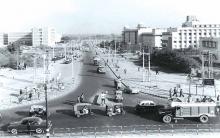
Among what I consider my universities, one of the places was a south-facing corner-house ahead of the Sri Narasimhaswamy Temple in Balepet.[1] It may be called the birthplace of the Kannada newspaper. If Mysore were to be the United States, some wealthy person would have purchased the house, created a library or museum with an art collection, and, with the permission of the government, opened it for public use, thereby preserving for posterity the name of the great Bhashyam Tirumalacharya. This was the house of that servant of Kannada.
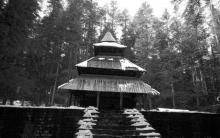
After their escape from Vāraṇāvata, the Pāṇḍavas went southward, moving quickly in the light of the stars, and reached a dense forest. By this time, all of them were exhausted, tormented by thirst and overcome by sleep; at that point, Dharmarāja told Bhīma, "Trapped in this dense forest, we are groping in the dark; we are unable to tell the directions; we are unable to walk any further; is there a greater difficulty than this? We don't know whether that wretched Purocana succumbed in the fire or not; how do we escape from our fear of him? We shouldn't be seen by anyone.