
Author:arjun
Once, a Department of Health employee visited Dr. Gundanna’s clinic and explained his brother’s illness. Gundanna patiently heard his description and then turned towards the elder brother; staring at him through his spectacles he asked: “What’s wrong with you?”
He said, “I never get hungry!”
“What’s your diet?”
“Nothing.”
Dr. Gundanna said, “Isn’t it good if you can sustain this way, with no food? You can then steer all your salary to your bank account. ”
It’s impossible that anyone who has seen Dr. Gundanna will ever forget him. So magnificent was the mark left on the mind by his personality. For a period of twenty-five to thirty years, his name was uttered with fondness and reverence in customary conversations in hundreds of households every day. Remembering him wasn’t limited to occasions when people grew sick, but during all instances of human interest when one usually thinks of a close friend.
The multi-volume History and Culture of the Indian People, a definitive work authored by numerous scholars, contains the most accurate and clear history of the Guptas. R.C. Majumdar, the General Editor of the volume titled The Classical Age, and K.M. Munshi, who has written a foreword to the volume have held that the glory of the Gupta Era was extraordinary. Indeed, Munshi has written that this extraordinary glory was possible because of Dharma.
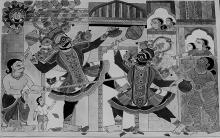
(“ಮಹಾಭಾರತ”ದ ಹಿನ್ನೆಲೆಯಲ್ಲಿ “ಕರ್ಣಾಟಭಾರತಕಥಾಮಂಜರಿ”, “ಕೃಷ್ಣಾವತಾರ” ಮತ್ತು “ಪರ್ವ”ಗಳ ತೌಲನಿಕಚಿಂತನೆ)
ಕರ್ಣಾಟಭಾರತಕಥಾಮಂಜರಿ
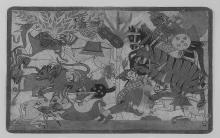
(“ಮಹಾಭಾರತ”ದ ಹಿನ್ನೆಲೆಯಲ್ಲಿ “ಕರ್ಣಾಟಭಾರತಕಥಾಮಂಜರಿ”, “ಕೃಷ್ಣಾವತಾರ” ಮತ್ತು “ಪರ್ವ”ಗಳ ತೌಲನಿಕಚಿಂತನೆ)
ಹಿನ್ನೆಲೆ
ಅರ್ಷಕಾವ್ಯಗಳೆಂದೂ ಇತಿಹಾಸಗಳೆಂದೂ ಹೆಸರಾದ ರಾಮಾಯಣ-ಮಹಾಭಾರತಗಳು ನಮ್ಮ ದೇಶದ ಸಾರಸ್ವತಲೋಕವನ್ನು ಪ್ರಭಾವಿಸಿದಂತೆ ಜಗತ್ತಿನ ಮತ್ತಿನ್ನಾವ ಪ್ರಾಚೀನಕಾವ್ಯಗಳೂ ಆಯಾ ಪ್ರಾಂತಗಳ ಸಾಹಿತ್ಯವನ್ನು ಪ್ರೇರಿಸಿಲ್ಲ. ಈ ಮಾತು ರಾಮಾಯಣ-ಮಹಾಭಾರತಗಳಿಂದ ಪ್ರಭಾವಿತವಾದ ಗೀತ-ನೃತ್ಯ-ನಾಟ್ಯ-ಚಿತ್ರ-ಶಿಲ್ಪಾದಿಗಳಿಗೂ ಸಮಾನವಾಗಿ ಅನ್ವಯಿಸುತ್ತದೆ. ಹೆಚ್ಚೇನು, ನಮ್ಮ ದೇಶದ ಸಮಗ್ರಸಂಸ್ಕೃತಿಯೇ ಇವುಗಳಿಂದ ಉಜ್ಜೀವಿತವಾಗಿದೆ.

Grahabedha is an interesting as well as a mesmerising facet of music. The science behind Grahabedha is very simple. The terminology becomes clear if it is called graha-svara-bedha instead [It may be noted that we discussed Graha in part-1. Graha means the ‘reference note’]. When Graha (i.e., the reference note, ‘Sa’) of a rāga is shifted sequentially to the notes that follow, i.e. if we start considering Ri, Ga, Ma.. of a rāga as reference notes, and sing rest of the notes relative to this new reference, the original rāga sounds a different rāga with each shift.

When Nanjundaiah was in Shimoga, a teacher got transferred from there. He was a great scholar, highly civilised, and a tutor par excellence. He was loved and respected by all. The people of that town had organised a program to felicitate him and they invited Nanjundaiah also. He happily attended the event. The next day, one of his friends, who was also a judge there, asked Nanjundaiah, “I heard you had gone there?”
Nanjundaiah: “Yes. Why didn’t you come?”

I had heard the name of Sri. H V Nanjundaiah when I was still a student. I was told in my hometown about this legend – he had passed his M.A. (Master of Arts) and M.L. (Master of Law) by seeking alms and studying under street lights. I later learnt that it was just a story. It’s true that Nanjundaiah was not born with a silver spoon in his mouth but the remaining details of the story were the result of wishful imagination of some noble soul to preach to people like me.
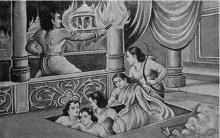
After Dhṛtarāṣṭra spoke to Yudhiṣṭhira [regarding the trip to Vāraṇāvata], Duryodhana was delighted and summoned Purocana to meet him in private. Duryodhana held Purocana’s right hand and said, “Look Purocana! It is now in your hands to make sure that this land, rich with resources will come under my control. There is nobody else who I can trust on this matter and there is no other person who can ever be as helpful as you are; therefore, please maintain utmost secrecy. I request you to act accordingly and extinguish my relatives who want a share of my kingdom.