Author:A R Krishna Sastri

Duryodhana’s spies brought news that Draupadī was married off to the Pāṇḍavas; the archer who bent the bow, strung it, and shot the target was none other than Arjuna; the one who lifted and whirled Śalya, uprooted trees, and vanquished everyone in combat without himself losing his composure was Bhīma.

We know that in December 1919, the Mysore People’s Convention, a citizens’ initiative, met in Bangalore. Among the members who came to attend the meeting, around seven or eight of them stayed in the house of sub-judge Lakshminarayanappa, who lived on Hardinge Road, Shankarapuram. This crowd included M Venkatakrishnayya from Mysore, Srinivasaraya, Vasudevaraya, and Narasingaraya from Chikkamagalur, along with a few others.

In 1922, the Kannaḍa Sāhitya Sammeḻana[1] was held at Davanagere. That year, Mysore’s Vṛddha Pitāmaha[2] Sri. M. Venkatakrishnayya presided over the conference. The service he rendered to the Mysore region at large and to Kannada language and literature is widely known. Sixty to seventy years of his ceaseless, multidimensional service to society, is remembered as a virtuous life[3] in our state’s history.

ಯತ್ಸಾರಸ್ವತರಸಸಿದ್ಧ ಏವ ಶುದ್ಧಃ ಸರ್ವೋದ್ಧಾ ವಿಲಸತಿ ವಾಚ್ಯವಾಚಕಾತ್ಮಾ | ಕಾಶ್ಮೀರೀ ಜಯತಿ ಜಗದ್ಧಿತಾವತಾರಃ ಸ ಶ್ರೀಮಾನಭಿನವಗುಪ್ತದೇಶಿಕೇಂದ್ರಃ ||

—ಗುರುನಾಥಪರಾಮರ್ಶಃ

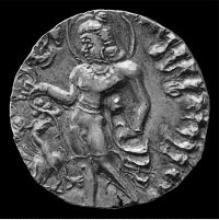
We must observe the magnanimity of the Gupta period. This open-mindedness and magnanimity springs from Sanātana dharma and the people of that era had truly grasped the spirit of Sanātana dharma. There are many people who read the Vedas all their life but they fail to realize that there are parts of the Vedas that speak about the futility of the Vedas.[1] They don’t realize that we have to apply that learning on a daily basis.

Drupada heard the words of Dharmarāja sent through the purohita and was yet unable to determine the clan and the family lineage of the groom; so he thought of a plan to find that out.

In and around the period 1907–08, Advocate Sri. D. Venkataramaiah was among the foremost public personalities in Bangalore. A road in Malleswaram has been named after him, granting eternity to his memory. Before he built a house on that road, I’ve heard that he used to live in a residential building called ‘Ratnākara’ in one of the by-lanes of Balepet.

தசரதன் ராமனைக் காட்டிற்குச் செல்லும்படி அறிவித்ததை ராமன் கௌசல்யா தேவியினிடத்தில் தெரிவித்தபின் அவளை ராமன் தேற்றுகிறான். அப்போது கௌசல்யா தேவியை தகப்பனைவிட தாயே நூறு மடங்கு உயர்ந்தவளென்றும், அதனால் தன் இச்சைப்படி ராமன் அவளையும் காட்டிற்குக் கூட்டிச் செல்ல வேண்டும் என்றும் கூறுகிறாள். ஆனால், இவ்விதம் நிகழ்ந்துவிட்டாலோ குடும்பத்தில் பிளவு ஏற்பட்டுவிடும். இதனை உணர்ந்த ராமன் தார்மீகமான, சாதுரியமான வழியில் அவனது தாயைக் கையாளுகிறான். அவன் அவளிடம், “முதலில் தாங்கள் என் தந்தைக்கு மனைவி, அதன் பிறகே எனக்குத் தாய். அதனால் தாங்கள் மகனுடன் இருப்பதைவிட தங்களது கணவனுடன் வசிப்பதே சாலச் சிறந்தது.

Typically if you ask a middle-aged person—or even someone in their thirties—who is a connoisseur and from a middle-class family, to describe a few sweet memories from his childhood, among the many things he would mention, without fail, you will hear the name of the periodical Chandamama, isn’t it? My tender and unforgettable sweet memories were formed by reading Chandamama. It is true that like me, billions of Indians have experienced joy from reading it. Personally speaking, Chandamama was among the cultural media that shaped my artistic taste.

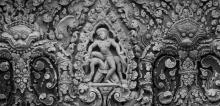
Ancient Indians travelled widely abroad. They carried out trade with several countries. It was not just the traders and businessmen who travelled widely but people from all the four varṇas. Even today we find the roots of brāhmaṇa families in Indonesia, Thailand, Bali, and other places. The ancient tradition has remained until this day. It is a different matter to what extent these traditions have loosened and transformed into something else. In sum, it is a fact that their ancestors migrated to those regions from India. In these exchanges, the role of the Guptas is pre-eminent.