
Author:A R Krishna Sastri

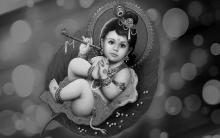
The current series examines the literary and aesthetic value of the verses of Kṛṣṇakarṇāmṛtam and wherever possible, touches upon their application to music, dance and painting. The present part gives a brief introduction to the poet, his work and describes a few verses.
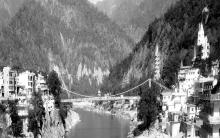
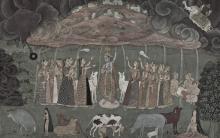
Fascinated by the Mahābhārata, Dr. S L Bhyrappa wrote the novel Parva in the 1970s, which narrated the human story of the epic, keeping aside the fantastical elements. In Parva, while referring to the character of Krishna, Vidura tells Dhritarashtra, “You’re completely mistaken about Krishna. He is such a person that even if the Pandavas die on the battlefield, he will make Kunti or Draupadi the queen and get them to rule the kingdom. He won’t give a damn to your wicked children!”
Krishna never stood for any individual; he stood for dharma.
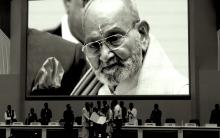
A reasonable place to assess the overall contribution of K Viswanath to Indian cinema is the 1976 musical and social blockbuster, Siri Siri Muvva. That film in a way marks a clean break and is the line that clearly demarcates Viswanath’s cinematic oeuvre as Sankarabharanam and post Sankarabharanam.
The period also plays a significant role in this assessment.

Saṃnyāsa, Yajña-dāna-tapas
By the time of the Mahābhārata, it seems that several people had given up worldly life and had taken up saṃnyāsa; they practiced abstinence and lived on roots and fruits in āśramas (hermitage) that they constructed in the wild. It was common for the kings to take up the lifestyle of a muni (sage, ascetic) during old age. Saṃnyāsa is the fourth āśrama (stage of life).


ಸಕಲಶಾಸ್ತ್ರಸಮನ್ವಯಸೌರಭಂ
ನಿಖಿಲಚಾರುಕಲಾರುಚಿರಂ ಚಿರಮ್ |
ಅಭಿನವಾರ್ಥನಿಬೋಧನವಿಭ್ರಮಂ
ತ್ವಭಿನವಂ ಪ್ರಣತೋऽಸ್ಮಿ ಸುಮೋಪಮಮ್ ||

Alam ativistareṇa. Let us delve right in.
नन्वाश्रयस्थितिरियं तव कालकूट
केनोत्तरोत्तरविशिष्टपदोपदिष्टा ।
प्रागर्णवस्य हृदये वृषलक्ष्मणोऽथ
कण्ठेऽधुना वससि वाचि पुनः खलानाम् ॥
O Kālakūṭa poison, who taught you to ascend to newer, better heights?
First you were submerged deep in the ocean,
Then you rose to live in Śiva's throat
And now you’re everywhere, in the words of scoundrels!

Literature has for its aim the creation of rasa, the aesthetic experience; it does not admit any other purpose. Bhaṭṭanāyaka stated this point blank – kāvye rasayitā sarvo na boddhā na niyogabhāk, ‘Literature offers enjoyment to every reader; as far as it is concerned, there exists neither an instructor nor an adherent.’ However, it is, at times, touted as a tool to prompt societal reform. This view is current not just among literary critics but also among the lay.