
The poetic conversation between Vāsiṣṭha-gaṇapati-muni and Ambikā-datta that took place at the conference of scholars—‘paṇḍita-goṣṭhi’—at Nava-dvīpa (Nadia) is a good example for the genre of dialogue-poetry.
Author:Shatavadhani Dr. R. Ganesh
With this part, we conclude the translation series of the preface to Vacanabhārata. The current article describes the literary approach of AR Krishna Sastri in composing the prose rendition of the Mahābhārata in Kannada. Drawing inspiration from his approach, the current translators, Arjun Bharadwaj and Hari Ravikumar are working on bringing out a prose rendition of the Mahābhārata in English.
The article also contains some autobiographical details that throw light on the meticulousness of the author.
Dialogue-poetry was not restricted to scintillating exchanges among scholars in India. Though rare, there are instances where this form of dialogue took place with foreigners as well. The current example captures an episode that is more morose than cheerful.
Dharmaprakasha Sajjan Rao's [i] home named, “Lakshmi Nivasa” is located opposite the North East side of the Venkataramana Swamy Temple at the Bangalore Fort. The verandah of that house sported the photographs of some Sadhus and Sants. Among these photographs was that of an Avadhoota[ii] named Mahadeva Sastri.
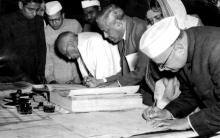
It was on the twenty-sixth day of November, 1949 that India gave unto herself the Constitution; indeed a historical event for all Indians. We celebrate it as the Samvidhan Divas (Constitution Day of India) every year. The Constitution of India is one of the most detailed and lengthy constitutions in the world.
Prekshaa Journal in association with Wise Words takes immense pleasure to announce the launch of its maiden publication, "Stories Behind Verses," the English translation of Shatavadhani Dr. R Ganesh's acclaimed Kannada work "Kavithegondu Kathe" on 3 December 2017 at the Indian Institute of World Culture, Bangalore. The Chief Guest for the event is Smt Sudha Murty.
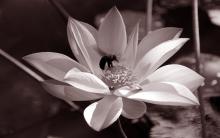
The contribution of Kerala to Sanskrit literature is tremendous. Just recalling the name of Śrī Śaṅkarācārya is enough to evoke in our minds the vast magnitude of the literary contribution from Kerala. The state had a unique setup, where anyone could learn Sanskrit irrespective of their caste or creed, and such indeed is the outlook of sanātana-dharma. Women in particular used to be trained in Sanskrit. One such Sanskrit scholar was Manoramā Tampuraṭṭi, who was born in 1760 CE.
An Advisory Committee was formed by the Government to document and publish “The Official History of the Tamils” in ten volumes. It doesn’t need to be explicitly stated that the Government exercised utmost care in selecting the members. Dr. BGL Swamy recalls that Tamil writers like Cheeni Venkataswami, Pandit Natesan and others were part of the committee. The history lecturer of Presidency College and two or three lecturers teaching other subjects had also adorned that committee as members.
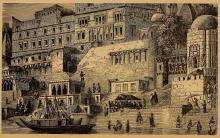
Sarisava, a village near Amarāvatīpura of the Mithila province, was home to several erudite poets in the past. Mahāmahopādhyāya Bhavanātha-miśra, who lived in Sarisava in the latter half of the fifteenth century, was a great scholar, a connoisseur of the arts, and a gifted poet. Just like him, his son Śaṅkara-miśra was a polymath and a poet. Śaṅkara was a scholar of the four śāstras: pada-vākya-pramāṇa-vedānta and wrote several works on these, apart from composing a few poems and plays. A few episodes connected with them are narrated here.
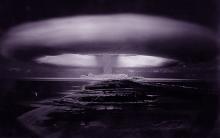
The primary characteristics of the modern world are material wealth and individual freedom [c. 1950]. Today, an individual desires to be independent as much as possible. However, in practice, he seems to think that he should not have anything binding him, he will not pay heed to anyone’s words, and he would like to do whatever he desires without anyone questioning him—this has been the result.