

There are many anecdotes associated with the life and works of Veṅkaṭanātha, a poet and tārkika (logician), popularly known as Vedānta-deśika. Some of them, though fabricated, are good entertainers. Among these is the debate between Vedānta-deśika and Ḍiṇḍima-bhaṭṭa, which is in the form of verses displaying their intellectual valour. Historically speaking, however, the two were not contemporaries at all. Vedānta-deśika lived between 1269 and 1369 CE and Ḍiṇḍima-bhaṭṭa lived during the times of Prauḍha-devarāya, who ruled from 1424 to 1446.
Author:Shatavadhani Dr. R. Ganesh
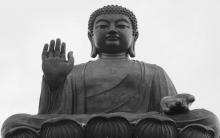
There was a gap of about three hundred years between Buddha and Aśoka. Buddha lived in the 6th century BCE. He was born in 560 BCE. He saw the effulgence of kṣātra in his surroundings. He had seen the lacunae and failings of the system of republics. Even so, he felt that one should support the war that is fought out of love for one’s freedom. Today Buddha has become a symbol for the cowardly pseudo-secularism. Buddha was a person who sincerely upheld Vedic values.
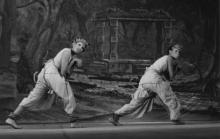
This article is based on Ramaa Bharadvaj’s illustrative talk on June 18, 2017 at the workshop on Vyāsa, Vālmīki, Kālidāsa, and Guṇāḍhya at Chinmaya International Foundation, Veliyanad, Kerala.
It is presented in two parts for Prekshaa readers.
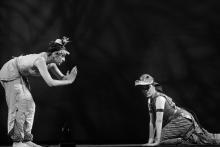
This article is based on Ramaa Bharadvaj’s illustrative talk on June 18, 2017 at the workshop on Vyāsa, Vālmīki, Kālidāsa, and Guṇāḍhya at Chinmaya International Foundation, Veliyanad, Kerala.
It is presented in two parts for Prekshaa readers.
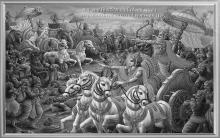
The word ‘karma’ means ‘activity.’ In a narrower sense, it can also mean the Vedic rituals of yajña and yāga, building of socially useful amenities such as lake and ponds, and observance of pūjā and rituals that are prescribed in the Purāṇas, Smṛtis, and Āgamas. In common parlance, it also refers to a bad action that leads to sin. Yajñas and yāgas are mainly performed to please nature deities such as Indra and Agni.
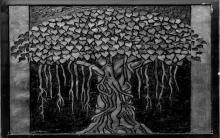
It is impossible for anyone to observe the unobstructed flow of literary tradition across India through the ages. Also since most of the endeavours are at the level of an individual or a close-knit team, a consolidated knowledge about this is difficult. So I can only present here a small bit of whatever I have gleaned from my observations.
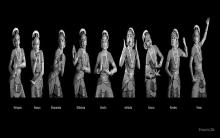
The credit for the first ever literary characterization of humour as a Rasa (hāsya-rasa), and according it, its rightful place, goes to the Sanskrit ālaṅkārikas, scholars who specialize in the study of literary embellishments and undertake critical investigation of literature. The Nāṭya-śāstra of Bharata was the first and primary work of this kind. According to it, hāsya-rasa is revealed from hāsa (a bout of laughter). Feelings are all personal and culminate in happiness or grief.

संहितात्मकमिदं जगत् । संहिता नाम कश्चन समूहो यत्र नैकानि द्रव्याणि परस्परं संनिकृष्टानि। “परः संनिकर्षः संहिता” इतीदं पाणिनिमहर्षिभिः सन्दृब्धं सूत्रमत्रावधेयम् । यद्यपि समूह-समुदाय-संमेलनादयः शब्दा अमुमेवार्थं प्रकटीकुर्वन्ति तथापि गहनार्थगर्भितविषयाणां प्रस्तावनावसरे संहिताशब्दप्रयोग एवाभ्यर्हिततमः । अयमेव हि साम्प्रदायिको नयः ।
यत्र नैकद्रव्याणां समवायो दृश्यते, यत्र पुनस्तानि द्रव्याण्येकीभूय स्वीयकर्मसु प्रवृत्तानि दृश्यन्ते तत्र सर्वत्रापि संहितैषा विलसति।
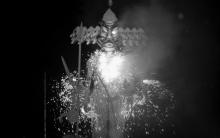
ಸಾಮಾನ್ಯವಾಗಿ “ಕಾವ್ಯನ್ಯಾಯ”ದ (Poetic Justice) ಗೀಳಿರುವ ಕವಿ-ಕಥಕರಿಗೆ ರಾಮಾಯಣ-ಮಹಾಭಾರತಗಳಂಥ ವೈಶ್ವಿಕಮಹಾಕಾವ್ಯಗಳ “ದುಷ್ಟ”ಪಾತ್ರಗಳಿಗೂ “ದುರದೃಷ್ಟವಂತ”ಪಾತ್ರಗಳಿಗೂ ತಮ್ಮ ವಿನೂತನಪ್ರತಿಭಾಬಲದಿಂದ ಯುಕ್ತರೀತಿಯ “ನ್ಯಾಯ”ವನ್ನು ಸಲ್ಲಿಸಬೇಕೆಂದೂ ತನ್ಮೂಲಕ ಅವರಿಗೆ ವ್ಯಾಸ-ವಾಲ್ಮೀಕಿಗಳಿಂದಲೋ ಅವರನ್ನು ಒಪ್ಪಿದ ಸಹೃದಯ-ವಿಮರ್ಶಕಸಮೂಹದಿಂದಲೋ ಆದ “ಅನ್ಯಾಯ”ವನ್ನು ನೇರ್ಪುಗೊಳಿಸಬೇಕೆಂದೂ ಹಪಹಪಿಕೆಯಿರುತ್ತದೆ. ಈ ತುಡಿತವು ಅದೆಷ್ಟೋ ಬಾರಿ ಆ ಮಹಾಕೃತಿಗಳ “ಶಿಷ್ಟ”ಪಾತ್ರಗಳನ್ನೂ “ಅದೃಷ್ಟವಂತ”ಪಾತ್ರಗಳನ್ನೂ ಕೀಳ್ಗರೆದು, ಮೂಲದ ಕಥಾಕ್ರಮವನ್ನೇ ತಿರುಚಿ, ತನ್ನಿಚ್ಛೆಯನ್ನು ಸಾಧಿಸಿಕೊಳ್ಳಬೇಕೆಂಬ ರಸಮಾರಕವಾದ ತೆವಲಿನ ಮಟ್ಟಕ್ಕೆ ಜಾರುವುದೂ ಉಂಟು.
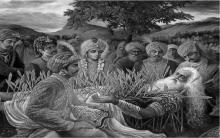
There are times when we face difficulties as a result of our own ignorance, indiscretion, dullness of intellect, stupidity, etc., but at other times, we face difficulties because of the ignorance and indiscretion of other people. Sometimes we face difficulties due to reasons beyond us. Thinking this way, we may assume that humans are responsible for wars; however, what can be said of calamities such as earthquakes, cyclone, famine and flood – these are, i.e., acts of the divine.