
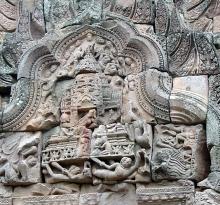
Rāma observed many portents and advised Lakṣmaṇa that they must attack Rāvaṇa’s city without delay. He descended from the mountain Suvela and inspected his army of vānaras. He commanded them to march on to the citadel. The vānaras picked up rocks, boulders, and full-grown trees to use as their weapons. In no time, Rāma and Lakṣmaṇa along with the vānara army reached the ramparts of Laṅkā.
Author:hari
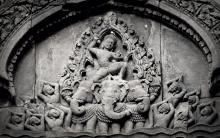
In the phrase, īśvaraḥ sarvabhūtānām, īśvara is not to be taken as the same as the absolute aspect of Parabrahma. Īśvaratva is an aspect or a state of Parabrahma’s līlā. It is normally referred to as kārya-Brahma (Brahma as an effect). Supreme Brahma is without activity. When it appears to be active in the world, it is known as kārya-Brahma or īśvara. Whenever we consider either activity or the world, an element of māyā is involved.
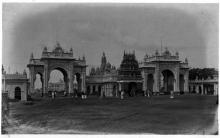
ಒಪ್ಪಂದಗಳೆಂಬ ಠಕ್ಕು
ಈ ರೀತಿ ಗುಲಾಮಗಿರಿಗೆ ತಳ್ಳುವುದಕ್ಕೆ ಬ್ರಿಟಿಷರು ಬಳಸಿಕೊಂಡ ಏಕೈಕ ಹಾಗೂ ಅತ್ಯಂತ ಪ್ರಬಲವಾದ ಅಸ್ತ್ರ: ಒಪ್ಪಂದಗಳು. ಒಂದೊಂದು ಒಪ್ಪಂದದ ಸಂದರ್ಭ, ಹಿನ್ನೆಲೆ ಭಿನ್ನವಾಗಿದ್ದರೂ ಅವೆಲ್ಲದರ ಅಂತಿಮ ಪರಿಣಾಮ ದಾಸ್ಯದಲ್ಲಿ ಪರ್ಯಾವಸಾನವಾಯಿತು ಎನ್ನುವುದು ನಿರ್ವಿವಾದ. ಇದರಲ್ಲಿ ಶೇಖಡಾ ೯೦ರಷ್ಟು ಒಪ್ಪಂದಗಳು ಆದದ್ದು ಯುದ್ಧದ ಸಂದರ್ಭದಲ್ಲಿ – ಅವು ಯುದ್ಧಪೂರ್ವ ಅಥವಾ ಯುದ್ಧದ ಮಧ್ಯ ಅಥವಾ ಯುದ್ಧಾನಂತರದವು.
The spies returned to Laṅkā and informed Rāvaṇa that Rāma and his army had camped in the vicinity of Mount Suvela. Rāvaṇa was displeased that the spies had been discovered by his enemies. One of the spies named Śārdūla explained to Rāvaṇa the power of Rāma’s prowess and the power of his army. Agitated, Rāvaṇa summoned his counsellor Vidyujjihva, the master of illusions and instructed him, “Let us delude Sītā with a deceit. Bring me an imitation of Rāma’s head as well as his bow and arrows.” Vidyujjihva immediately agreed and the king rewarded him with a piece of jewellery.
जब कभी हम क्षात्र गुण की अनदेखी करते है तब कुछ ऐसे तथा कथित शांतिवादी लोग होते हैं जो इसे हिंसा से जोड़ कर इसे निर्दयी तथा अमानवीय समझते हैं। यह एक त्रुटियुक्त्त दृष्टिकोण है। बिना सुरक्षा ‘मात्स्यन्याय’ (अर्थात् बडी मछली छोटी मछली को खा जाती है) प्रचलन में आ जाता है। इस संबंध में महाभारत के शांतिपर्व में ‘राजधर्मप्रकरण’ पर विस्तृत विवेचना की गई है। हमें समझना होगा कि यदि व्यवस्था चाहिए तो दण्ड़ का प्रावधान आवश्यक है, दण्ड के प्रावधान से ही व्यवस्था की स्थापना होती है। कामंदकीय नीतिसार ग्रंथ[1]
The nature of aparigraha (non-acceptance of superfluous material wealth) is well described in the story of Uṣasti in the Chāndogyopaniṣad.
ನ ತತ್ರ ರಾಜಾ ರಾಜೇಂದ್ರ ನ ದಂಡೋ ನ ಚ ದಂಡಿಕಾಃ ।
ಸ್ವಧರ್ಮೇಣೈವ ಧರ್ಮ೦ ಚ ತೇ ರಕ್ಷನ್ತಿ ಪರಸ್ಪರಮ್ ।। (ಮಹಾಭಾರತ, ಭೀಷ್ಮಪರ್ವ, ೧೨.೩೬)
ರಾಜೇಂದ್ರ! (ಕೃತಯುಗದಲ್ಲಿ) ರಾಜನೂ ಇಲ್ಲ, ದಂಡಿಸುವನೂ ಇಲ್ಲ, ದಂಡನೆಗೆ ಒಳಪಡುವವನೂ ಇಲ್ಲ. ಸ್ವಧರ್ಮವೇ ಪರಸ್ಪರರ ಧರ್ಮವನ್ನು ರಕ್ಷಿಸುತ್ತದೆ.
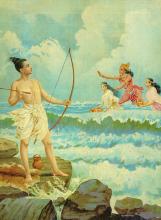
Upon listening to Hanūmān’s words, Rāma said, “Listen to my view in its entirety. I would, under no circumstance, turn away someone who has come to me seeking friendship; I would not do so even if his character was flawed. Irrespective of him being good or evil, the rākṣasa can do me no harm, can he? I can slay all evil creatures that reside on earth with the tip of my finger. I always grant protection to beings who seek refuge in me. So, bring him here, Sugrīva! I will ensure his protection, even if he were Rāvaṇa himself.” Sugrīva accordingly informed Vibhīṣaṇa.