Hanūmān looked for Sītā everywhere in the vicinity of the palace. He searched the creeper-covered pavilions, picture galleries, and night rooms, but was unable to find her. He fell into despair and thought, ‘Sītā must have been killed by the rākṣasa or must have died of his torture. What will I tell the vānaras? Well, dauntless self-reliance is the root of all success and is the gateway to happiness.
Author:hari
The dialogue between Yājñavalkya and Maitreyī (bṛhadāraṇyaka) continued
There are three types of pleasure as well.
yat-tadagre viṣamiva pariṇāme’mṛtopamam ।
tat-sukhaṃ sāttvikaṃ proktam ātma-buddhi-prasādajam ॥BG 18.37
India seems to be the only civilization that has philosophically contemplated upon the nature of Ānanda and realised it to be the ultimate outcome of art. Ānanda, which transcends time and space, is the untainted Joy evoked through art – this fundamental principle does not appear to have been expressed in clear terms in other civilizations. Additionally, the process of arriving at this – the prakriyā – is also not adequately delineated[1].
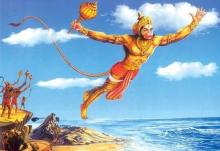
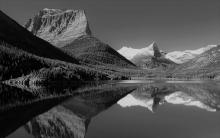
Hanūmān assumed a body of immeasurable size right in front of the vānaras. Pressed down by the huge vānara, the mountain trembled for a moment which caused the fresh blossoms from the trees to fall; waters poured out from the mountain and it looked like an elephant in rut exuding ichor from its temples; huge boulders tinged with gold and silver tumbled down due to Hanūmān’s force. Preparing to leap, Hanūmān let out a mighty roar and had goosebumps all over his body.
Let us look at Śrī Rāmānujācārya’s commentary for the above sūtra. The interpretations of the three schools of Vedanta differ from one another only in parts where it is not possible to give proof to anyone. Where it is possible to provide proof, they have no objections.
{ಜಲೋದ್ಧತಗತಿ} ಪೃಥ್ವೀವೃತ್ತದ ಪ್ರಸ್ತಾರದಲ್ಲಿ ‘ಜಲೋದ್ಧತಗತಿ’ ಎಂಬ ಪ್ರಬಲವಾದ ಲಯಾನ್ವಿತ ವೃತ್ತ ಗರ್ಭೀಕೃತವಾಗಿರುವುದು ಮತ್ತೊಂದು ವಿಶೇಷ:
ಪೃಥ್ವೀ
[u – u u u – u – u u u –] u – – u –
ಜಲೋದ್ಧತಗತಿ
u – u u u – | u – u u u –
Hanumān, Aṅgada, Tāra, and other vānaras looked for Sītā in all possible places in the direction indicated by Sugrīva. They searched the caves and thickets of the Vindhyās and were exhausted.