

The Western tradition uses the word ‘philosophy’ (love of wisdom) to denote the study of the fundamental nature of reality. In the Indian tradition, we use the word ‘darshana’ (point of view) to denote the study of existence, meaning, consciousness, and the ultimate reality. It provides us the means to the same ultimate goal, called by different names – ananda (bliss); moksha (liberation); or oneness with brahman, the Supreme Being.
Author:Hari Ravikumar

“Who am I?”
This question has haunted thinkers and philosophers from the earliest times. It is the question that drove the sixteen-year-old Venkataraman to eventually become Ramana Maharishi. It is the question that pops up every now and then, only to remain unanswered. Once it is answered, the question never recurs, for one would have transcended all questions by answering that one.
So, who are we?
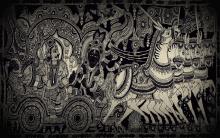
Kosambi launches into a polemic against Krishna, considering him as a real person, forgetting that he himself had cast doubts on the existence of Krishna in the first place. Kosambi spews venom against the acharya of the Gita (emphasis is mine):
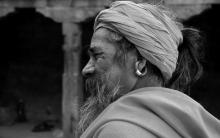
Bhaja Govindam is a popular poem attributed to the scholar-saint Adi Shankara, one of the foremost advocates of the Advaita Vedanta School of philosophy. A short work, of 31 verses, it urges us to pray to Govinda (‘the herder of cows,’ another name for Krishna).

Through the ages, in the writings of great thinkers and social commentators, we find a certain weakness for nostalgia. We often find passages that bemoan the fall in moral values in the present generation (as it applied to them) and how the days of the past were so much better.
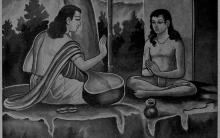
अभिमानदम्भादिकं त्याज्यम् । ६४
64. Abandon pride, hypocrisy, etc.
तदर्पिताखिलाचारः सन् कामक्रोधाभिमानादिकं तस्मिन्नेव करणीयम् । ६५
65. Having offered all activities (to the Supreme) if (still troubled) by lust, anger, pride, etc. then offer them (to the Supreme) as well.
[The Bhagavad-Gita says, “Whatever you do, whatever you eat, whatever you offer in yajna (worship) or give as dana (charity) or give up as tapas (austerity), dedicate that to me.” (BG 9.27)]
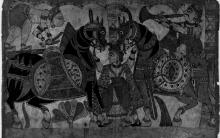
After casting aspersions on the authenticity of the Great War, Kosambi goes on to examine the ethics of the Gita as if the war happened exactly as narrated by the Mahabharata (emphasis is mine):
दुस्सङ्गः सर्वथैव त्याज्यः । ४३
43. Always avoid bad company.
कामक्रोधमोहस्मृतिभ्रंशबुद्धिनाशकारणत्वात् । ४४
44. It (evil company) is the cause for lust, anger, attachment, decline of learning, and the destruction of the intellect.
तरङ्गायिता अपीमे सङ्गात् समुद्रायन्ते । ४५
45. The ripples (of lust, anger, attachment, etc.) take the form of the ocean because of such company.

A popular prayer from the Upanishads implores a movement from lies to truth, from darkness to brightness, and from death to eternal life (Brihadaranyaka Upanishad 1.3.28). The second line of this prayer – तमसो मा ज्योतिर्गमय – is no doubt a metaphor, the darkness representing ignorance and brightness representing wisdom. Ignorance often results from laziness, and the word ‘tamas’ in Sanskrit captures all these shades of meaning – darkness, lethargy, ignorance, error, illusion, etc. Deepavali, in some sense, is victory over tamas.
In the second part of this series, we take a look at the next twenty-one sutras of Narada on bhakti (verses 22 to 42).
तत्रापि न माहात्म्यज्ञानविस्मृत्यपवादः । २२
22. Even so (in the case of the cowgirls), one can’t criticize them of being oblivious to the awareness of divinity.