
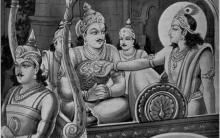
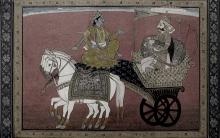
Kṛṣṇa paid his salutations to Kuntī and informed her of everything that transpired in the Kuru court. “I’ll take leave of you, dear aunt. I need to get back to the Pāṇḍavas as soon as possible. What shall I tell them?” he asked her.
Author:hari
ಬಹುಪತ್ನೀವ್ರತರ ಪಾಡೇ ಬೇರೆಯ ಜಾಡಿನದು. ಅವರ ಬಹುವಲ್ಲಭತೆಯ ಸುಖ-ಸಂತೋಷಗಳು ಅದು ಹೇಗೋ ಏನೋ, ನಮಗೆ ತಿಳಿಯದು. ಆದರೆ ತಂಟೆ-ತಕರಾರುಗಳು ಮಾತ್ರ ಜಗಜ್ಜಾಹೀರು. ಇದೂ ಒಂದು ಶಯ್ಯಾಗಾರ. ಅಮರುಕನನ್ನು ನಚ್ಚಿ ನಡೆಯುತ್ತಿರುವ ಈ ನಮ್ಮ ಸಂಚಾರದ ಕೇಂದ್ರಬಿಂದುವೇ ಹೆಚ್ಚಾಗಿ ಇದಲ್ಲವೆ? ಇಲ್ಲಿ ಈವರೆಗೆ ಹಾಯಾಗಿ ಲಲ್ಲೆಗೆರೆಯುತ್ತಿದ್ದ ಕಾದಲರ ನಡುವೆ ಇದೇಕಿಂಥ ವಿರಸ? ಹಾ, ತಿಳಿಯಿತು. ಪ್ರಣಯಜಲ್ಪನದ ಈ ಅಮರಶಿಲ್ಪಿ ಮಾತಿನ ಭರದಲ್ಲಿ ತನ್ನೊಡನಿರುವ ಈಕೆಯ ಹೆಸರಿಗೆ ಬದಲಾಗಿ ಮತ್ತೊಬ್ಬಳ ಹೆಸರನ್ನು ಉಸುರಿದ್ದಾನೆ. ಇಂಥ ಪ್ರಮಾದಗಳಿಗೆ ಸಂಸ್ಕೃತದಲ್ಲಿ “ಗೋತ್ರಸ್ಖಲಿತ”ವೆಂಬ ಗಂಭೀರವಾದ ಹೆಸರಿದೆ. ಆದೆಷ್ಟೇ ಭರ್ಜರಿಯಾದ ಹೆಸರನ್ನಿಟ್ಟರೂ ಆಗುವ ಎಡವಟ್ಟು ಬದಲಾದೀತೇ?
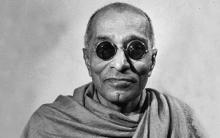
Chakravarti Rajagopalachari always wore smoked glasses (i.e. dark glasses). This gave way to ridicule. It’s true that his eyesight was weak, just like several others. But why the black-coloured glasses? So that others do not realize how his eye-balls are turning; the movement of the eyes indicates the intent of the mind. When the mind is under the grip of anger and distress, or is thinking of something insincere, it shows in the eyes; the wise may understand that; to avoid that, dark glasses to hide one’s real intent – such was the rumour.
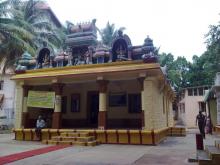

In this background, there were several heroes who strove to alleviate the pain of the Sanatana-Dharmis and protect their honour. Such people are worthy of the highest praise.
Of them, the foremost was Sawai Jai Singh.

As he heard Kṛṣṇa’s words, Duryodhana turned towards him and snapped. “Kṛṣṇa! You should think about this once more thoroughly and then speak to us. You have criticised me too much in your speech. Everyone seems to be upset with me – you, Vidura, father, grandfather, ācārya, and everyone else. I fail to figure out what my mistake is, in whatever has transpired so far. The Pāṇḍavas came forward to gamble on their own accord because they love the game. Śakuni won their kingdom. What is wrong with it? Whatever little they won in the game, they took with them.
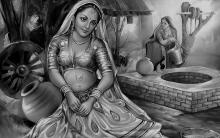
ಇಲ್ಲೊಬ್ಬಳು ಕಲಹಾಂತರಿತೆಯು ತನ್ನ ಮುನಿಸಿನ ಕೆಡುಕನ್ನು ತಾನೇ ವಿಮರ್ಶಿಸಿಕೊಳ್ಳುತ್ತಿದ್ದಾಳೆ. ಅದನ್ನು ಏಕಾಂತವಾಗಿ ಮಾಡದೆ ಎಲ್ಲ ಗೆಳತಿಯರ ನಡುವೆ ಲೋಕಾಂತದಲಿ ನಡಸಿದ್ದಾಳೆಂದರೆ ಆಕೆಯ ಪಶ್ಚಾತ್ತಾಪದ ತೀವ್ರತೆ ತಿಳಿಯದಿರದು. ಹಲುಬುವ ಆಕೆಯ ಮಾತುಗಳು ಕರುಳು ಕುಯ್ಯುವಂತಿವೆ: “ಅಯ್ಯೋ, ನಿಟ್ಟುಸಿರು ಈ ಮೊಗವನ್ನೇ ಬಾಡಿಸಿದೆ. ಹೃದಯವು ಧಮನಿಗಳ ಸಮೇತ ಕಿತ್ತುಬರುವಂತಿದೆ. ನಿದ್ರೆಯು ಅಪ್ಪಿತಪ್ಪಿ ಕೂಡ ಸುಳಿಯುತ್ತಿಲ್ಲ. ನಲ್ಲನ ಮೊಗ ಎಲ್ಲಿಯೂ ಕಾಣಿಸಿಕೊಳ್ಳುತ್ತಿಲ್ಲ. ಹಗಲೂ ಇರುಳೂ ಅಳುವುದೊಂದೇ ಪಾಳಿಯಾಯಿತು. ಈ ಕಾಯವು ಕರಗುತ್ತಿದೆ. ಎಂಥ ಕೆಲಸ ಮಾಡಿದೆ, ಕಾಲಿಗೆ ಬಿದ್ದವನನ್ನು ದೂರ ದೂಡಿದೆನಲ್ಲ!
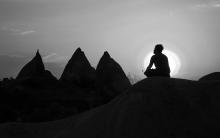
গীতায় কৃষ্ণ শান্তিলাভ করার নিমিত্ত এক অশ্রুতপূর্ব সূত্র প্রদান করেন। তিনি বলেন যে, যখন কোনও ব্যক্তি কামনার ঊর্দ্ধে গিয়ে, আকাঙ্ক্ষা পরিত্যাগ ক’রে, অহং এবং অধিকারবোধ বর্জন ক’রে জীবন অতিবাহিত করেন, তখনই সেই ব্যক্তি প্রকৃত শান্তিলাভ করেন (ভ. গী. ২.৭১)। কৃষ্ণ নিজজীবনে শান্তিলাভের জন্য অবিকল এই পন্থাই অনুসরণ করেছেন।
Self-help
We were to start working for the Kannaḍa Sāhitya Sammeḻana (Kannada Literary Conference), which was to take place in Davanagere. The Chair of the Conference was to enter in a grand procession. Before the event, Venkannayya and I were having a casual chat along with a few others. Venkatanaranappa came to us and exclaimed, “Why are you all like this even now? The procession has to start! Come on! Get dressed quickly!"
I replied, “You haven’t got ready yet!”
Note: This is the English translation of Dr. S.R. Ramaswamy’s Kannada article titled “Giteya ananyate” published in the December 2018 edition of the “Utthana” magazine.
The world famous writer on spirituality, Paulo Coelho said the following on a recent occasion: “The moment I read the Bhagavad Gita, I fell in love with the book. It continues to be my book for all times. The Gita teaches you to understand the mystery, accept your destiny and when there is a battle to face, to go forth and fulfil your task.”