
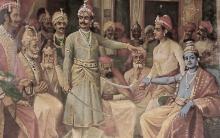
The next morning, Kṛṣṇa woke up and got ready to leave. Duryodhana and Śakuni came to Vidura’s house and informed Kṛṣṇa that Dhṛtarāṣṭra had arrived at the royal court and was looking forward to his arrival. Kṛṣṇa and Vidura left for the court in a chariot. They were followed by Duryodhana, Śakuni, Sātyakī, Kṛtavarma, and the others. Kṛṣṇa’s chariot was followed by warriors wearing strange clothes carrying war weapons. The entourage also consisted of several horses and elephants. As Kṛṣṇa entered the court amidst such grandeur, conches blew to announce his arrival.
Author:hari

ಇಲ್ಲೊಬನಿದ್ದಾನೆ ಪ್ರಣಯಮರ್ಮಜ್ಞನಾದ ಹದಿನಾರಾಣೆಯ ಅನುಭವರಸಿಕ. ಅವನಿಗೆ ಕೊಸರಿ ಕೊಸರಿ ಪಡೆದ ಪ್ರಣಯದ ಸವಿ ಎಷ್ಟೆಂದು ಗೊತ್ತು. ಪಾಪ, ಅವನ ಕಾದಲೆಗೀಗ ಮುನಿಸು. ಹೀಗಾಗಿ ನಿರೀಕ್ಷಿತನರ್ಮವು ಸಾಧ್ಯವಾಗುತ್ತಿಲ್ಲ. ಅವನ ತಕರಾರು ಕೇಳುವಂತಿದೆ. ಅಲ್ಲದೆ ಅದರಲ್ಲೊಂದು ಮೆಚ್ಚುಗೆಯ ಧ್ವನಿಯೂ ಉಂಟೆನ್ನಿ. ಹೀಗಲ್ಲವಾದರೆ ಹಲಬುವಿಕೆಯು ಅಪ್ಪಟ ಕವಿತೆಯಾಗುವುದು ಹೇಗೆ? ಅವನ ಪರಿಶೀಲನೆ ಹೀಗಿದೆ: “ಮೊದಲಿನಂತೆ ಅವಳೀಗ ಬಟ್ಟೆಯನ್ನು ಸಡಿಲಿಸಳು ಮುಜುಗರಗೊಳ್ಳುತ್ತಿಲ್ಲ; ಚೆಂದುಟಿಗಳನ್ನು ಚುಂಬಿಸಲೆಂದು ಮುಂಗುರಳನ್ನು ಸವರಿ ಹಿಂಗತ್ತನ್ನು ಬಾಗಿಸುವಾಗ ಹುಬ್ಬೇರಿಸಿ ಮೊಗ ತಿರುಗಿಸುತ್ತಿಲ್ಲ; ಬಿಗಿಯಪ್ಪುಗೆಯನ್ನು ತಾನಾಗಿ ಸ್ವೀಕರಿಸುವುಳಲ್ಲದೆ ಮೈಸೆಟೆದುಕೊಳ್ಳುತ್ತಿಲ್ಲ.
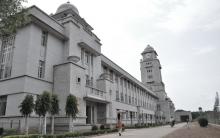
The Kannada renaissance movement had begun several years earlier[1] in the Dharwad Karnataka region. One can say that in some sense, (literary) programs began in Dharwad long before it had started in Mysore. The Karṇāṭaka Vidyāvardhaka Saṅgha of Dharwad is much older than Bangalore’s Sāhitya Pariṣad. The founders of the Vidyāvardhaka Saṅgha came to Mysore, met the Mahārāja Sri Chamarajendra Wodeyar, explained their objectives in detail, and sought his help.
After the death of Aurangzeb, the Mughal empire was scattered and confused. In fact, this had already started during Aurangzeb's lifetime itself. As a result of the barbaric behaviour of Muslims and forcible conversions to Islam, millions of Sanatana Dharmis were attacked and tormented; every single Hindu had in his heart, a deep-seated hatred for Islam and the spirit of revenge had risen.
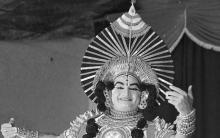
The next day, Kṛṣṇa left from Vṛkasthaḻa and headed towards Hastināpura. Bhīṣma, Droṇa and other older Kauravas received him on the way. The entire city was decorated. The path was filled with hordes of people and the crowd slowed down Kṛṣṇa’s horse. A large number of people had gathered on rooftops and it seemed as though the buildings would collapse because of their weight! Kṛṣṇa visited Dhṛtarāṣṭra at his palace, paid his respect to the King and to the other elders. After spending some time chatting with the Kauravas, he went to Vidura’s house.

ಅಮರುಕನೊಡನೆ ರಸಯಾತ್ರೆ
ಪ್ರಕೃತಕೃತಿಯ ಪದ್ಯಗಳನ್ನು ಪ್ರಧಾನವಾಗಿ ಮುನಿದ ನಾಯಿಕೆಗೆ ಸಖಿಯ ಹಿತಬೋಧೆ, ಭಾವಶಬಲಿತೆಯಾದ ನಾಯಿಕೆಯು ಸಖಿಯರಿಗೆ ಹೇಳುವ ಮಾತುಗಳು, ನಾಯಕ-ನಾಯಿಕೆಯರ ಸಂವಾದ, ನಾಯಕ-ಸಖಿಯರ ಸಂವಾದ, ಕವಿಯದೇ ಆದ ನಿರೂಪಣೆ ಎಂಬಿವೇ ಕೆಲವು ವಿಭಾಗಗಳಲ್ಲಿ ಅಡಕಮಾಡಬಹುದು. ಇವುಗಳಲ್ಲಿ ಕವಿಯು ಯಾವುದೇ ವ್ಯಕ್ತಿಗೂ ಪಕ್ಷಪಾತವಿಲ್ಲದೆ—ತನ್ನದೇ ಆದ ಪೂರ್ವಗ್ರಹಗಳೂ ಇಲ್ಲದೆ—ಅಪ್ಪಟವಾದ ಪ್ರಣಯವನ್ನು ಮಡಿ-ಮೈಲಿಗೆಗಳ ಗೋಜಿಲ್ಲದೆ ಸಾಕ್ಷಾತ್ಕರಿಸುತ್ತಾನೆ. ಈ ಕಾರಣದಿಂದಲೇ ಅಮರುಕನನ್ನು ಚಿತ್ತವೃತ್ತಿಸಾರ್ವಭೌಮನೆಂದೂ ಪದ್ಯರೂಪದಲ್ಲಿ ನೃತ್ಯವನ್ನು ಕಂಡರಿಸಿದ ರಸಶಿಲ್ಪಿಯೆಂದೂ ಶಂಕೆಯಿಲ್ಲದೆ ಹೇಳಬಹುದು. ಪ್ರಕೃತಲೇಖನದಲ್ಲಿ ಇಂಥ ಶೃಂಗಾರಸಂದರ್ಭಗಳ ಪರಿಚಯ ಮಾಡಿಕೊಳ್ಳೋಣ.
‘சமஸ்காரம்’ (‘saṃskāra’) என்கிற வார்த்தைக்கு இணையான பொருள் ஆங்கிலத்தில் ஒன்றுமில்லை; அதற்கு ‘மெருகேற்றும்,' ‘வளர்த்தல்,' ‘பூரணத்துவம்,’ ‘அலங்கரித்தல்,’ ‘நியமனம்,’ ‘கல்வி,’ ‘நேர்மறை மாற்றம்,’ ‘பூர்வகர்மவினை’ உள்ளிட்ட பல அர்த்தங்கள் உள்ளன. பொதுவாக இது ‘நன்மை செய்தல்’ அல்லது ‘தேவையற்றதை விலக்கி, இருப்பதை மெருகேற்றுவதை’ குறிக்கும்.
Elimination of Corruption
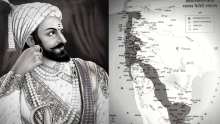
Although Shivaji was born in a Shudra family, his love and respect for Sanatanadharma was immense. In his letters to Aurangzeb, he uses his honorific titles that translate into "a protector of cows and brahmanas." He put together a number of youngsters from the Maval region and created a strong army. Not only that, just like Prahlada, he took on his own father in battle.