Author:prekshaa

Sometime in 1898-99, my Sanskrit Guru, Sri Kashi Raghavendracharya addressed about four or five of his disciples thus:

நம் வாழ்வில் மாற்றமொன்றே மாறாதது.

உடலளவில், உணர்ச்சிப் பெருக்கத்தில், மன ரீதியில், பிறரோடு உறவைப் பேணுவதில், சமூக அந்தஸ்தில் – இன்னும் வாழ்வின் பற்பல நிலைகளிலும் நமது நிலைபாடு வாழ்வின் ஒவ்வொரு கட்டத்திலும் மாறிக்கொண்டே வருகிறது.

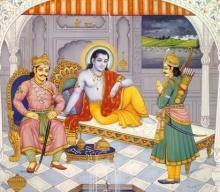
Aśvatthāma said, “O Karṇa! We have not yet won the cows that we’ve captured, we’ve not crossed the borders, we haven’t returned to Hastināpura; and you’ve already begun a bout of self-praise! Warriors who have won numerous wars, attained great wealth and prosperity, and conquered the earth speak not about their courage and valour even a little. Without the slightest noise, fire boils things; the sun shines his light in silence; the earth bears the animate and inanimate beings without uttering a word.

ಕಾವ್ಯದ ರೂಪವಿಮರ್ಶೆ

ರಸವು ಕಾವ್ಯದ ಸ್ವರೂಪವಾದರೆ ಗುಣ, ರೀತಿ, ಧ್ವನಿ, ವಕ್ರತೆ, ಅಲಂಕಾರಾದಿಗಳು ಅದರ ರೂಪಸ್ತರದಲ್ಲಿ ಬರುತ್ತವೆ. ವಸ್ತುತಃ ಶಬ್ದವೇ ಕಾವ್ಯದ ರೂಪ (Form). ಇನ್ನು ರಸವಾದರೋ ಕಾವ್ಯದ ಅರ್ಥ, ಪರಮಾರ್ಥ (Content). ಭಟ್ಟರು “ಸಂಸ್ಕೃತಭಾಷೆಯಲ್ಲಿಯ ಶಾಸ್ತ್ರೀಯನಿರೂಪಣೆಯಲ್ಲಿ ವರ್ಗೀಕೃತಘಟಕಗಳು ಸಂಪೂರ್ಣಭಿನ್ನವಾಗಿರದೆ ಒಂದು ಇನ್ನೊಂದರ ವಿಕ್ಷೇಪದಂತಿರುವಂತಹವು” ಎಂದು ಹೇಳುತ್ತಾರೆ (ಪು. ೧೮). ಇದನ್ನು ಸುಲಭವಾಗಿ ಹೇಳುವುದಾದರೆ, ಋಷಿಪರಂಪರೆಯ ಶಾಸ್ತ್ರಗಳಲ್ಲಿ ವಿವಿಧವಿಭಾಗಗಳು ಪರಸ್ಪರಸಾಪೇಕ್ಷ ಹಾಗೂ ಪೂರಕವೆನ್ನಬಹುದು. ಇದು ಒಪ್ಪುವಂಥದ್ದೇ. ಭಟ್ಟರು ಗುಣವನ್ನು ಸೌಂದರ್ಯಕಾರಕವೆಂದೂ ಅಲಂಕಾರವನ್ನು ಸೌಂದರ್ಯವರ್ಧಕವೆಂದೂ ಹೇಳುತ್ತಾರೆ (ಪು. ೧೮).

Kurukshetra

The Philosophy of Virtue is Worth Pursuing

The Mahabharata continues to occupy a preeminent place because it offers the great ideal of the elevation of one’s character. Exhortatory phrases such as “yato dharmastato jayaḥ” (Bhishma’s discourse to Karna) will unfold their true and full meaning only at the level of philosophy and not in the folds of the Mahabharata story.

Our experiences of joy and sorrow have a finish; however, the flow of Satya and Dharma is endless.

Although legal practice was the means for his livelihood as well as his wealth and success, his inner interests solely lay in literature. During the time we stayed in houses that faced each other—on Chamarajpet Fourth Street—he and I, along one or two other friends, would spend time late in the night, often past midnight, appreciating poets and their work. During those discussions, suddenly he would remember something and then say, “It’s already late for me. There’s a lot of work tomorrow in court. I have to prepare a statement in an important case.” And he would leave in a hurry.

Once, the great scholar, writer and speaker Romesh Chunder Dutt visited Bangalore. Several people who were enthusiastic about listening to his lecture sent a deputation with this request. Dutt had to decline due to his failing health. The unrelenting deputation told him that they would find another speaker and requested him to preside over the lecture. Dutt agreed to this proposal. The assembly started. The speaker of the day was a renowned scholar of history. He filled up his lecture with a great deal of content, presenting it with great effort and enthusiasm.

I mentioned earlier that as per the recommendation of my friends, M G Varadacharya was the third of the three people in Bangalore who were best suited to estimate the worth of English poetry.

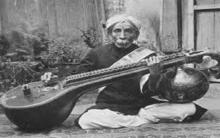
Around thirty-four years have elapsed since Varadacharya left us all (c. 1918-19). Even so, every time I remember his name, my throat is choked, my breath becomes heavy, and eyes become moist. He was such was an intensely emotional[1] character.

ಮತ್ತೊಂದೆಡೆ ಭಟ್ಟರು ಕಾವ್ಯ-ಶಾಸ್ತ್ರಗಳ ಸಾಮಾನಾಧಿಕರಣ್ಯವನ್ನು ನಿರೂಪಿಸುತ್ತ ಕಾವ್ಯದ ಮೂರು ಘಟಕಗಳಾದ ವಸ್ತು, ಪಾತ್ರ ಮತ್ತು ರಸಗಳನ್ನು ಶಾಸ್ತ್ರದ ಪ್ರಮಾಣ, ಪ್ರಮೇಯ ಮತ್ತು ಸಿದ್ಧಿಯನ್ನೊಳಗೊಳ್ಳುವ ಸಾಧನಗಳೆಂಬ ಮೂರು ಅಂಶಗಳಿಗೆ ಸಂವಾದಿಯಾಗಿ ಕಾಣುತ್ತಾರೆ. ಇದನ್ನು ವಿಸ್ತರಿಸುತ್ತ ಕಾವ್ಯವು ತನ್ನ ವಸ್ತುವನ್ನು ಬೀಜ, ಬಿಂದು ಮತ್ತು ಕಾರ್ಯಗಳೆಂಬ ಮುಖ್ಯಾಂಗಗಳ ಮೂಲಕ ವಿಶ್ಲೇಷಿಸುತ್ತದೆ. ಇವುಗಳಲ್ಲಿ ಬೀಜವು ಪ್ರಾರಂಭವನ್ನು, ಕಾರ್ಯವು ಕೊನೆಯನ್ನು, ಬಿಂದುವು ಅವಿಚ್ಛಿನ್ನತೆಯನ್ನು ಸೂಚಿಸುವುವೆನ್ನುತ್ತಾರೆ. ಇದಕ್ಕೆ ಸಂವಾದಿಯಾಗಿ ಶಾಸ್ತ್ರದಲ್ಲಿ ಉಪಕ್ರಮ, ಉಪಸಂಹಾರ ಮೊದಲಾದ ಪರಿಕಲ್ಪನೆಗಳಿವೆಯೆಂದೂ ಹೇಳುತ್ತಾರೆ. ಹೀಗೆ ಪ್ರಕ್ರಿಯಾಪದ್ಧತಿಯಲ್ಲಿಯೂ ಕಾವ್ಯ-ಶಾಸ್ತ್ರಗಳಿಗೆ ಐಕ್ಯವುಂಟೆಂದು ಹೇಳುತ್ತಾರೆ.