Among the four vṛttis that Bharata describes in his Nāṭyaśāstra (namely, the sāttvikī, kaiśikī, ārabhaṭī and bhāratī), kaiśikī renders itself the best for the portrayal of śṛṅgāra. Kaiśikī is a softer and more graceful mode of expression and is usually associated with curvilinear movements and ornate expressions. This has four limbs, namely narma, narmasphiñja, narmasphoṭa and narmagarbha and many secondary limbs. Bharata, Dhanañjaya, Dhanika and others say that one must understand these categories by close observation of the world.
Author:hari
The World of Aesthetics – its Heroes and Heroines
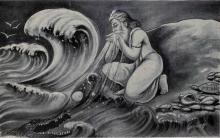
Thereafter Damayantī continued walking in the dense forest. After crossing several hills, mountains, and rivers she finally came across a walking trail. She began walking on the path when she found a river that had a fleet of merchant ships parked on its bank. Emaciated, with dishevelled hair, and covered in but half a sari, Damayantī appeared like a mad woman; looking at her, some shrunk away in fear, some ran away, and some others mocked her with derisive laughter. Only a few approached her with empathy and asked her who she was and what she was doing there.
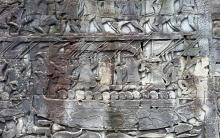
Prevalence of Dharmaśāstra-Purāṇa–Itihāsa Traditions in Cambodia
7th Century CE
The current article is an enlarged version of a talk presented by Arjun Bharadwaj on 5th June 2018 at the National Seminar on Dharmashastra - Theory and Practise - RC Puducherry. The article derives its inspiration from a paper titled "Vedic Cambodia" written by Dr. R Nagaswamy.
And then Rajendra Chola arrived on the scene. He has been known by such various honorifics as Gangaikonda Chola, Gudigonda Chola, Kadaramgonda Chola and Pandita Chola. His father Rajaraja Chola gave him a solid training since childhood. Apart from him, Rajaraja Chola had a daughter named Kundavadevi who was married to Vinayaditya of the Vengi Chalukyas.
பொது வாழ்க்கை பல முரண்பாடுகள் நிரம்பியது. தன்னைப்பற்றி பிறர் என்ன கூறுகிறார்கள் என்பதை லட்சியம் செய்யத் தேவையில்லை. இருப்பினும் தன் மேல் சுமத்தப்பட்ட களங்கத்தைத் துடைத்தே ஆக வேண்டும். ஏனெனில் நற்பெயர்தானே பொது வாழ்க்கைக்கான அஸ்திவாரம். கிருஷ்ணனது வாழ்வில் ‘சியமந்தகமணி’ அத்தியாயமே இதற்கான சிறந்த உதாரணம். அதை அணிந்துச் சென்ற சத்ரஜித்தின் சகோதரன் இறந்து கிடந்தான். அதற்காக திருடன், கொலைகாரன் என்று கண்ணன்மீது பழி சுமத்தினான் சத்ரஜித். உடனே கண்ணன், இன்னும் இருபத்தோரு நாட்களில் தான் அந்த நகையைக் கண்டுபிடிக்காவிட்டால் தான் மீண்டும் துவாரகைக்குத் திரும்பி வரப்போவதில்லை என சபதம் செய்தான்.
Kali had to wait for a whole twelve years until he could find a flaw in Naḻa. He went to Naḻa’s friend Puṣkara, instigated him to invite Naḻa to play a game of dice, and he (i.e. Kali) entered the dice that would be used for the gamble. When invited, Naḻa could not refuse to play. Falling prey to Kali’s rage, Naḻa lost all his gold, wealth, chariots, and so forth even as Damayantī watched the game. The madness of the game befuddled his mind and he played like a man who is unconsciousness of his body. None of his friends were able to stop him.
Sri Hariyappacharya Swami was a truly magnanimous person who extended patronage, patience, and friendship towards other sects. He did not prohibit the Sahapankti bhojana[i] with Smartas and other sects. He became worship-worthy for all people on account of his conduct, integrity, and selflessness. After Sri Hariyappacharya Swami passed from this world, Sri Hebbani Srinivasacharya became the Swami of the Sripadaraja Matha. I have recounted his name earlier.