
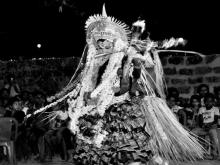
Several people have the tendency to find parallels between Bhūtārādhana and Yakṣagāna. They classify Bhūtārādhana as ‘folk’ (Jānapadīya) and as a corollary, conclude that Yakṣagāna is ‘folk’ as well. However, Yakṣagāna’s allied forms of art such as Terukkūttu, Kūcupuḍi, Bhāgavatameḻa, Dūḍālapāya, Doḍḍāṭa and Keḻike are not influenced by Bhūtārādhana at all. Among these, one can say that only Kathakali has faint reflections of Bhūtakola in it. When this is the case, how can the argument that Yakṣagāna is also ‘folk’ be substantiated?
Author:arjun
Sri Mahadeva Sastri was the elder brother of Motaganahalli Sri Sankara Sastri. Even he was highly accomplished in music and literature. Every Ekadashi a Bhajan programme would be organized in his home. In this case, the word “bhajan” must be understood as music.
Worried that the citizens of Ayodhya may yet again come to the forest, Rāma left the great forest, went to the banks of the beautiful Godāvarī river, and began residing near the āśrama of Sage Śarabhaṅga. Owing to Śūrpaṇakha, Rāma makes an enemy out of Khara, who was residing at Janasthāna. Rāma killed Khara, Dūṣaṇa, and thousands of other rākṣasas, thus making that dhārmic forest safe for everyone. Śūrpaṇakha, with her lips and nose chopped off, went to Laṅkā, fell at the feet of her brother Rāvaṇa, and narrated her tale of woe.
ಕೋಲಾರಮಂಡಲದಲ್ಲಿ ಹೆಚ್ಚು ಪ್ರಚಲಿತವಿರುವ ವಾಗ್ರೂಢಿಗಳ ಬಳಕೆ:
ವೆಗಟು / ಎಗಟು (ಹೆಚ್ಚು ಸೇವನೆಯಿಂದ ರುಚಿಗೆಡುವುದು), ಅಂದಿಸು (ಎಟಕುವಂತಾಗಿಸು), ನಸನಸೆ (ರಂಪ; ಸಣ್ಣ ವಿಷಯಗಳನ್ನು ದೊಡ್ಡದು ಮಾಡುವುದು), ಸೊಟ್ಟಾಪಟ್ಟೆ (ಓರೆಯಾದ, ಡೊಂಕಾದ), ಪೋದಿ (ಆರೈಕೆ), ಮೊಡಕು (ಮೂಲೆ), ಐಲುಪೈಲು (ಹುಚ್ಚು), ಯರ್ರಿಬಿರ್ರಿ (ಶಿಸ್ತು ಇಲ್ಲದಿರುವುದು), ಪೀಕಲಾಟ (ತೊಂದರೆ; ಜಗಳ), ತಕರಾರು (ಆಕ್ಷೇಪಣೆ; ವಿರೋಧ; ಜಗಳ), ಏಮಾರು / ಯಾಮಾರು (ಮೊಸಹೋಗು; ಉಪೇಕ್ಷಿಸು), ಚಿತಾವಣೆಗಾರಿಕೆ (ಪ್ರಚೋದನೆ), ಪೊಗದಸ್ತು (ಸಮೃದ್ಧ), ಅಳ್ಳಕ (ಸಡಿಲ; ದ್ರವೀಯ).
ನಾಮಪದಗಳಂತೆ “ಓಣ”-ಅಂತಶಬ್ದಗಳ ಬಳಕೆ ಮತ್ತು ವಿಧಾಯಕಾರ್ಥವುಳ್ಳ -“ತಕ್ಕದ್ದು” ಬಳಕೆ:

Before we embark on a study of our traditional literature—what we call śruti and smṛti—with our modern conception of history, seeking the absolute chronology of a certain treatise and the relative chronologies of a set of treatises, we must acquaint ourselves with both the Indian conception of history as well as the traditional accounts of our history.
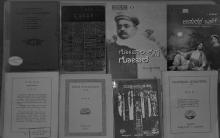
ಡಿ.ವಿ.ಜಿ. ಭಾಷೆಯ ಸಿಂಹಾವಲೋಕನ
ಈ ಲೇಖನದ ಮುಂದಿನ ಭಾಗದಲ್ಲಿ ಗುಂಡಪ್ಪನವರ ಗದ್ಯದ ಬರೆಹಗಳಲ್ಲಿ ಅವರ ಹಸ್ತಾಕ್ಷರದಂತೆ ವಿಶಿಷ್ಟವಾಗಿ ತೋರುವ ಕೆಲವು ವಾಕ್ಯವಿಧಾನಗಳನ್ನು ಸೂಕ್ತ ಉದಾಹರಣೆಗಳೊಂದಿಗೆ ಸಂಗ್ರಹಿಸಿದ್ದೇನೆ. ಉದಾಹರಣೆಗಳು ಹೆಚ್ಚಿನ ವಿವರಣೆಯನ್ನು ಅಪೇಕ್ಷಿಸದ ಕಾರಣ ಅವುಗಳ ಪರಿಯನ್ನು ನಿರೂಪಿಸುವ ಒಂದೆರಡು ಮಾತುಗಳನ್ನಷ್ಟೇ ಬರೆಯಲಾಗಿದೆ. ಗುಂಡಪ್ಪನವರ ಸಾಹಿತ್ಯ ಬಹಳ ವಿಸ್ತೃತವೂ ಗಹನವೂ ಆದದ್ದು. ಅದರ ಎಲ್ಲ ಬಗೆಯ ಸ್ವಾರಸ್ಯವನ್ನೂ ಹಿಡಿದಿಡಲು ಯತ್ನಿಸುವುದು ಸಾಹಸವೇ ಸರಿ. ಹೀಗಾಗಿ ಪ್ರಸ್ತುತಲೇಖನದ ಮಿತಿಯ ಒಳಗೆ ದಿಕ್ಸೂಚಕವಾಗಿ ಕೆಲವೇ ಮಾದರಿಗಳನ್ನು ನೀಡಿದ್ದೇನೆ.
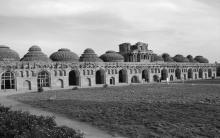
Malik Kafur came to Devagiri, which was at the forefront of South India. Ramachandra was the king of that region. Initially, all of Malik Kafur's ruthless attacks bore no fruit. However, in his second battle with Ramachandra, Malik Kafur defeated him using deceit and foul-play. Soon after, he came to Kapilaraya's Anegondi. Even there, there was widespread bloodshed. Then he attacked Ballala III, a weak Hoysala king who was ruling over Dvarasamudra (Halebidu). When Malik Kafur attacked Dvarasamudra, Ballala III was away at Thiruchanapalli. The whole of Dvarasamudra was razed to the ground.
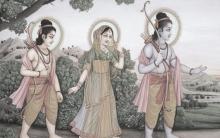
There was a great king named Aja in the Ikṣvāku dynasty. Daśaratha was his son. He had four sons who were all experts in dharma – Rāma, Lakṣmaṇa, Bharata, and Śatrughna. Rāma’s mother was Kausalyā; Bharata’s mother was Kaikeyi; Lakṣmaṇa- Śatrughna’s mother was Sumitrā. Janaka, the king of Videha, had a daughter named Sītā. Tvaṣṭṛ (Brahmā) himself created her to become the beloved queen of Rāma.
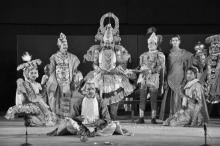
In his insightful essay titled ‘Uparūpakas and Nāṭyaprabandhas’, Dr. V Raghavan classifies these (i.e., the lyrics/ scripts used for different theatrical/ Yakṣagāna-like presentations) as ‘Kāvya’ or ‘Citrakāvya’, a kind of Uparūpaka. (Refer –
[caption id="attachment_13946" align="alignleft" width="166"] Dr. V. Raghavan[/caption]

The word ‘upanayana’ means ‘leading closer’ or ‘taking nearer.’ It could mean ‘leading closer to wisdom’ or ‘taking near the ācārya for the sake of learning.’[1] Another meaning of the word ‘upanayana’ is ‘additional eye’ or ‘the eye of knowledge.’ It is variously called ‘upayana,’[2] ‘brahmopadeśa,’ ‘upānaya,’ ‘mauñjī-bandhana,’ and ‘baṭu-karaṇa,’ ‘vrata-bandha.’[3] In any case, it refers to taking a