While reflecting on the history of Kannada revival, one thing that I am most certainly reminded of, is the publication of Udupi’s Śrīkṛṣṇasūkti. Śrīkṛṣṇasūkti was a monthly journal; Kerodi Subba Rao and Rajagopalakrishna Rao were its editors. Though I am not acquainted with Kerodi Subbarao, I have seen him from a distance. I have met a few of his friends and have spoken to them. It seems that Subba Rao is a student of Bangalore's Central College. For a brief period he lived in Madras too.
Author:hari
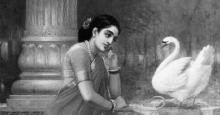
There lived a king named Naḻa in the province of Niṣadha. He was strong, virtuous, handsome, and was considered foremost among the kings. The province of Vidarbha was ruled by a king named Bhīma who had a daughter named Damayantī and three sons – Dama, Dānta, and Damana. Damayantī’s beauty and noble character was known far and wide. It appeared that men and devatas had never seen a lady like her. Anyone who came to see her spoke highly of Naḻa and anyone who visited Naḻa praised Damayantī before him.
ದಶರೂಪಕ
ನಾಟ್ಯಶಾಸ್ತ್ರದ ಮುಖ್ಯಾಧಿಕರಣಗಳಲ್ಲೊಂದು ದಶರೂಪಕಾಧ್ಯಾಯ. ದೃಶ್ಯಕಾವ್ಯವನ್ನು ವಿವಿಧರೀತಿಯ ನಾಟ್ಯರಸಿಕರ ರುಚಿಭೇದಗಳನ್ನು ಗಮನಿಸಿಕೊಂಡು ಹತ್ತು ಹನ್ನೊಂದು ಬಗೆಯ (ಹನ್ನೊಂದನೆಯದು “ನಾಟಿಕಾ” ಎಂಬ ಪ್ರಕಾರ. ಇದು ಮುಂದೆ “ಉಪರೂಪಕ”ಗಳ ವರ್ಗಕ್ಕೆ ಸೇರಿತು) ವಿಭಾಗಗಳಾಗಿ ವಿಂಗಡಿಸಲಾಗಿದೆ. ಈ ಬಗೆಗೆ ವಿ. ರಾಘವನ್ ವ್ಯಾಪಕವಾದ ಅಧ್ಯಯನವನ್ನೇ ನಡಸಿದ್ದಾರೆ[1]. ಇಲ್ಲಿ ದಶರೂಪಕದ ಪರಿಕಲ್ಪನೆಯು ಭಾರತೀಯರಂಗಸಾಹಿತ್ಯದಲ್ಲಿ ಹೇಗೆ ಬೆಳೆದುಬಂದಿತೆಂಬ ದಿಕ್ಸೂಚಿಯಿದೆ. ನಾವಿಲ್ಲಿ ಕೇವಲ ಅಭಿನವಗುಪ್ತನ ಮತವನ್ನು ಮಾತ್ರ ಕೇಂದ್ರೀಕರಿಸೋಣ.
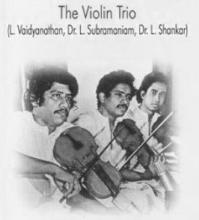
Indian cinema has given us many popular songs based on classical ragas. The creative genius of music directors has afforded us several benchmark compositions with tricky components of raga, laya, and bhava. These can be broadly grouped into:
Creating a new raga
Rasika Raja Taguvaramu from the movie Jayabheri (1959) sung by Ghantasala is based on a new raga, Pratapa Rajashekhara (a combination of Kaanada and Chakravaaka in different sthayis) created by Pendyala Nageswara Rao.
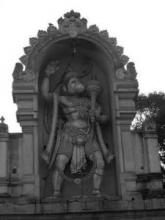
The Anjaneyaswamy Temple of Mulabagal is extremely famous. Folks from the Mysore-Bangalore region who went on a pilgrimage to Tirupati would typically travel via Mulabagal, visit the Anjaneyaswamy Temple, take his Prasadam and resume their journey. According to one legend, this town derived its name “Mulabagal” because it lies to the east[i] of Tirupati. Apart from this main Temple, there were numerous other Anjaneyaswamy Shrines in the town. There were two in the Agraharam of the Madhva Brahmanas.
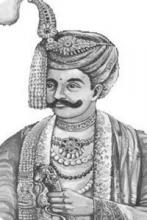
And now we can turn our focus towards the Vijayanagara Empire which was ruled by the four royal dynasties of Sangama, Saluva, Tuluva, and Aravidu. Among these, we can observe the fact that the Vijayanagara Empire had attained its zenith under the regime of the Sangama and Tuluva dynasties. The Vijayanagara Empire assumes significance due to its direct confrontation and fight against Muslim rulers. Till then, wars were being fought between Hindu kings.
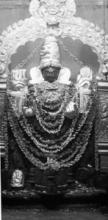
Among those who built the Kannada Sahitya Parishad, it is essential for my contentment to reminisce about the early few. Nangapuram Venkatesha Iyengar is one of them. He was the chief of the government’s meteorological department. Apparently he was Bellave Venkatanaranappa’s teacher. Their affection and respect towards each other was intense. His contributions to the activities of the Vijñāna Pracāra Saṅgha run by Venkatanaranappa and to the publication of the newsletter Vijñāna were both wholehearted and invaluable.
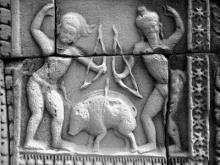
Arjuna stood there and undertook a terrible penance, subsisting entirely on fruits and leaves. Aggrieved by this, all the great seers in that region went to meet Śiva. Giving them solace, Śiva said, “All you return to your homes with joy and contentment; I know about Arjuna’s saṅkalpa (intention, conviction); he desires not the heavens, or wealth, or long life; what he wishes for, I shall send it to him at once!” He then donned the garb of a hunter, took his bow Pināka, and set out along with Pārvatī.
Bharathiar on the Indian Education System