

अस्यां दिशि सुकविना केचन दोषा यत्नेन वारणीयाः। यथा संविधाने निर्वैशिष्ट्यम्, इतिवृत्ते च निस्सङ्घर्षता। यद्यपि सङ्घर्ष इति परिभाषाविशेषः प्राच्यभारतीयकाव्यमीमांसायां किञ्चिदप्रचुरस्तथापि कथायाः पुरोऽभिवृद्धये विविधपात्राणां पोषणाय च सोऽयमावश्यक इति सुविदितमेव सुधियाम्। श्रीमद्रामायणे श्रीमन्महाभारते च विद्यमानो धर्माधर्मयोः सदसतोश्च सङ्घर्षः सुविख्यातः। महाकाव्येष्ववश्यं मन्त्र-द्यूत-प्रयाण-आजि-नायकाभ्युदयादीनि वर्णनानि भवेयुरिति किल काव्यशास्त्रसमयः। अत्राजिर्नाम न केवलं बाह्यः, अपि तु आन्तरङ्गिकोऽपि भवितुमर्हति। प्रकृते कानिचिदुदाहरणानि दद्मः—नैषधीयचरिते नलेनानुभूतः सङ्घर्षो यो देवानां प्
Author:prekshaa
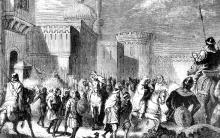
Prithviraj was the last Hindu king of Delhi. It was he who originally had the Red Fort built; scholars opine that it changed due to the Islamic invasions.
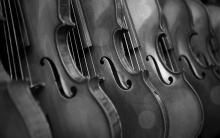
As far as I know, there were three eminent vaiṇikas (musicians who play the vīṇā) in Bangalore. Of them, the seniormost was an Iyengar. If I remember right, his full name was either Rangaswami Iyengar or Krishnaswami Iyengar. His house was on the street leading to Chikka Lalbagh from Balepet – in the locality of Purnaiah’s satra (rest-house).
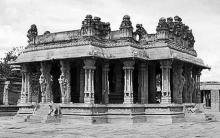
Among our youth and children, more than the study and research of ‘literature,’ it is the learning of music and dance that is considered as a symbol of culture. Literature is seen by many as a heap of information or a tool for enjoyment. It is not without reason that music, dance, painting and sculpture are categorized as ‘fine arts’ among the arts. In these forms of art, the aspect of ‘information’ is secondary and it is only the play of vibhāvas (causes) and anubhāvas (effects) of rasa and the subsequent aesthetic experience that takes predominance.
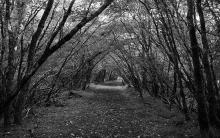
The sage Mārkaṇḍeya narrated several traditional stories to the Pāṇḍavas during their stay in Dvaitavana. The story of Dharma-vyādha is one among those.

You and I are constantly changing.
Throughout our lives, we change in many ways: at the level of the body, in the emotional sphere, in the mental realm, in our various relationships with people, the roles that we play in society, and in many other ways.
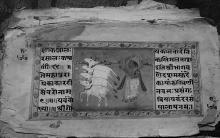
सम्प्रति भाविकाभिधानं किञ्चन साहित्यतत्त्वमवगाहामहे।
भाविकमिति सम्भाविततत्त्वं दण्ड्यादिभिस्तु मौलिकमेवम्।
इतिवृत्तश्रीकारणमतिलोकमनोज्ञवर्णनेङ्गितयुक्तम्॥७॥
तत्त्वस्यास्य स्वरूपनिरूपणं भामहेन सम्यगकारि। यथा—
“भाविकत्वमिति प्राहुः प्रबन्धविषयं गुणम्।
प्रत्यक्षा इव दृश्यन्ते यत्रार्था भूतभाविनः”॥ (काव्यालङ्कारः, ३.५३)
K M Munshi writes in his preface to the fifth volume of the History and Culture of the Indian People,
Sometime around 1910, my article in English about Diwan Rangacharlu’s governance was published in Indian Review, a Madras-based monthly. With that, I not only received the remuneration that I was in need of, but also got introduced to a few great men. Two of the best outcomes of the article were: the letter of appreciation written by Sir Mokshagundam Visvesvaraya, who at that time was the Chief Engineer of Mysore and the head of a branch of the Economic Conference; the other was the words of admiration by Arcot Srinivasacharya (alternatively ‘Srinivasacharlu’).