

Thus, all the impediments that had come in the way of performing the Rājasūya-yāga were removed; Yudhiṣṭhira completed the yāga successfully under the protection of Kṛṣṇa. All the guests returned to their hometowns after seeking his permission. Yudhiṣṭhira gave them bountiful gifts and bade them farewell with great affection. Kṛṣṇa too expressed his wish to return to his city of Dvārakā. Yudhiṣṭhira expressed his gratitude to Kṛṣṇa and said, “Thanks to your benevolence, the yajña went off well and the kings offered tributes.
Author:A R Krishna Sastri
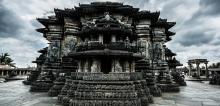
ಮಾನವನ ಜೀವವಿಕಾಸದ ಹಾದಿಯಲ್ಲಿ ಆಸ್ವಾದನೆಯ ಮಟ್ಟಕ್ಕೇರಿದ ಕಲೆಗಳ ಪೈಕಿ ಚಿತ್ರವು ಮೊದಲನೆಯದಾದರೆ, ಶಿಲ್ಪ ಎರಡನೆಯ ಅತಿ ದೊಡ್ಡ ಸಾಧ್ಯತೆ. ಆಯಾಯ ಕಾಲದ ಆಸ್ವಾದನೆಯಲ್ಲಿ ಲೀನವಾಗುವ ಗಾನ, ನಾಟ್ಯಗಳನ್ನೂ ನವನವೋನ್ಮೇಷವಾಗಿ ಸ್ಥಿರೀಕರಿಸಿ, ಎಷ್ಟೋ ಕಲಾವಿಕಾಸಗಳಿಗೆ ಚಾರಿತ್ರಿಕವಾಗಿ ಶಾಶ್ವತತೆಯನ್ನು ದಯಪಾಲಿಸುತ್ತಲೇ, ಭವಿಷ್ಯದ ಮತ್ತೊಂದು ಗಾನ-ನಾಟ್ಯಾವರಣದ ವಿಕಾಸಕ್ಕೂ ಉಪಕರಿಸಿವೆ. ಶಿಲ್ಪಗಳಿಗೆ ಮಾನವ ದೇಹಗಳೇ ಪ್ರೇರಣೆ ಎಂಬುದೇನೋ ನಿಜ. ಆದರೆ ಅವು ಯಥಾವತ್ತು ಪ್ರತಿಕೃತಿಗಳಾದರೆ ಚೆಲುವು ಸಾಕ್ಷಾತ್ಕಾರವಾದೀತೇ? ಇನ್ನು ನೃತ್ಯಕ್ಕೋ ಚಲನೆಯೇ ಉಸಿರು. ಆದರೆ ಚಲನಾತೀತವಾದ ನರ್ತನಶಿಲ್ಪಗಳನ್ನು ಗುರುತಿಸುವುದು ಹೇಗೆ? ಶಿಲ್ಪಗಳನೇಕ ವಿಶೇಷವಾದ ಭಂಗಿಭಾವಗಳನ್ನು ಸಾಧಿಸಿದವೇ. ಆದರೆ ಅವು ನೃತ್ಯಶಿಲ್ಪವೆನಿಸಿಕೊಳ್ಳಲು ಅರ್ಹವೇ?
ಭಾವವನ್ನು ಕುರಿತ ಒಳನೋಟಗಳು
ಅಭಿನವಗುಪ್ತನು ಚಿತ್ತವೃತ್ತಿಸ್ವರೂಪಗಳೇ ಭಾವಗಳೆಂದು ಹೇಳುತ್ತ ಜಗತ್ತೆಲ್ಲವೂ ಭಾವಾತ್ಮಕವೆಂಬ ತಾತ್ತ್ವಿಕದೃಷ್ಟಿಯನ್ನೂ ಬೀರುತ್ತಾನೆ. ನಾಟ್ಯಶಾಸ್ತ್ರವು ಚರ್ಚಿಸುವ “ಭವಂತೀತಿ ಭಾವಾಃ ಕಿಂ ವಾ ಭಾವಯಂತೀತಿ ಭಾವಾಃ” (ಸಪ್ತಮಾಧ್ಯಾಯದ ಉಪಕ್ರಮ) ಎಂಬ ಅಭಿಪ್ರಾಯವು ಕಡೆಗೆ “ಭಾವಯಂತೀತಿ ಭಾವಾಃ” (ಅಲ್ಲಿಯೇ) ಎನ್ನುವ ನಿಲುಗಡೆಗೆ ಬರುವ ಕ್ರಮವನ್ನು ಚೆನ್ನಾಗಿ ಗ್ರಹಿಸಿ “ಭಾವಯಂತಿ” ಎಂಬುದು ವಸ್ತುತಃ ನಮ್ಮಲ್ಲಿ ಆಸ್ವಾದನವನ್ನುಂಟುಮಾಡುತ್ತವೆ ಹಾಗೂ ನಮ್ಮ ಹೃದಯವನ್ನು ವ್ಯಾಪಿಸುತ್ತವೆಂಬ ಅರ್ಥದಲ್ಲಿಯೇ ಗ್ರಾಹ್ಯವೆಂದು ವಿವರಿಸುತ್ತಾನೆ ಕೂಡ:
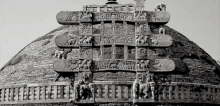
The fact that Shiladitya Harshavardhana developed greater fondness towards Buddhism in his later years is evident from his own writings. Three Rupakas whose authorship can be attributed to Harshavardhana are extant. He has also written a few Stotras (loosely, “hymns”) and a collection of independent verses. His Rupakas, “Priyadarshika,” “Ratnavali,” and “Nagananda” continue to remain popular amid lay persons and scholars alike. “Priyadarshika” and “Ratnavali” belong to the “Natika” genre of “Drishyakavya” (dramatic poetry enacted on stage).

Y K Ramachandra Rao is one among the people to be remembered from the Parishad’s initial history.[1] He retired as a Railway Chief Engineer. He hailed from Elandoor. He had a natural, abiding interest in Kannada; when Gopal Krishna Gokhale died in 1915, Ramachandra Rao arranged an essay-writing competition in Kannada, offering a gift to the best essay written about that great soul. I remember that the prize-winning essay—it was written by a student—was published in the Parishad’s periodical.
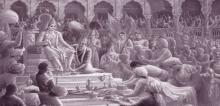
With the killing of Jarāsandha, the greatest obstacle for the Rājāsūyayāga was removed. But Yudhiṣṭhira still needed to subdue the other kings or have a treaty of peace with them and gather their tributes. And so, his four brothers, upon his approval, went on a conquest to defeat kings in all directions (digvijaya). Arjuna went to the North, Bhīma to the East, Sahadeva to the South, and Nakula to the West. They defeated the kings there and offered to Yudhiṣṭhira the tributes they had gathered. Thus, Yudhiṣṭhira became the king of kings.
My Thread Ceremony
Sri Venkatarama Bhatta urged my grandfather and my younger grandfather to perform my Thread Ceremony as early as possible.
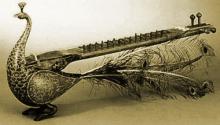
Tyāgarāja's Darini telusukonti is my favorite kṛti in the rāga Śuddhasāveri. Many others have also composed songs in this rāga. In fact, there are several other compositions of Tyāgarāja in Śuddhasāveri but Darini telusukonti stands apart by its brilliance. The possibilities for elaboration of saṅgatis in this kṛti are tremendous.

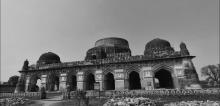
In the later part of the Gupta Era, we see the rise of Sthaneshwar, which is on the banks of the Ganga. It lies between Ambala and Delhi, near Kurukshetra. A great king who came from there was Harshavardhana. Like the Guptas, he too came from a family of vaiśyas. Harshavardhana’s father was Prabhakaravardhana and his brother was Rajyavardhana. Even when they were in quite a formidable position, their kingdom had threats; they faced pressure from various sides. One thing is true: every kingdom will have opposition from its own people.