
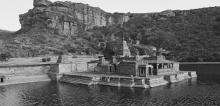
An emperor as powerful as Pulakeshi II had to face numerous struggles during his last days. His brother “Kubja” [Short] Vishnuvardhana would repeatedly rise in rebellion, Pulakeshi would quell it and forgive him—this seemed to have become the norm. However, what we notice in each such instance is simply Pulakeshi’s weakness. The younger brother fully exploited his sibling’s sentimentality. Pulikeshi had four children. He justifiably displayed greater affection towards his third son, Vikramaditya.
Author:Shatavadhani Dr. R. Ganesh
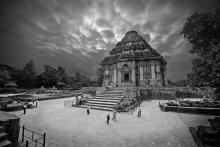
ಕಲಾಸ್ವಾದದಲ್ಲಿ ರಸ-ಭಾವನೈರಂತರ್ಯ: ಒಂದು ಜಿಜ್ಞಾಸೆ
ಭರತನು “ರಸಾಧ್ಯಾಯ”ದಲ್ಲೊಂದೆಡೆ:
“ನ ಭಾವಹೀನೋऽಸ್ತಿ ರಸೋ ನ ಭಾವೋ ರಸವರ್ಜಿತಃ | ಪರಸ್ಪರಕೃತಾ ಸಿದ್ಧಿರನಯೋರಭಿನಯೇ ಭವೇತ್ ||” (೬.೩೬)
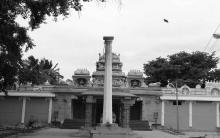
- 1 -
Sri Subbabhatta
Mulabagal Sri Subbabhatta hailed from a lineage of Raja Purohitas (Royal Purohitas) and belonged to the Badaganadu subsect. He was younger to Sri Venkatarama Bhatta. He was a Rg Vedin but still studied Jyotisha and Dharmashastras under the tutelage of Sri Venkatarama Bhatta, who was a Yajur Vedin. His house neighbored that of Sri Venkatarama Bhatta.
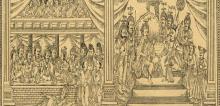
Yudhiṣṭhira welcomed Vidura with great joy at Khāṇḍavaprastha. He enquired after the wellbeing of Dhṛtarāṣṭra and his sons. Observing that Vidura’s face lacked joy, he asked, “Dear uncle, what’s the matter? It looks like you’re not happy! Is everything alright? Are the children and citizens coping well with Dhṛtarāṣṭra?” Vidura said, “The king his children are keeping well. He’s pleased with his obedient children. He enquired after your wellbeing. He has heard about the grand assembly hall you’ve built here and has built a similar one at Hastināpura.
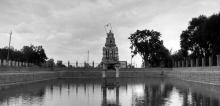
Sri Chandrashekhara Sastri belonged to the Hulusukamme (or Ulucukamme) Brahmana subsect hailing from Srinivasapura. He arrived in Mulabagal as the Headmaster of the Anglo Vernacular School. He earned the respect of all people owing to his character, scholarship, and work ethic. His elder brother Sri Nanjunda Sastri was a renowned Vedic Guru; his younger brother, Sri Subbasastri made a name for himself as the schoolmaster in a place named Yerukaluve.
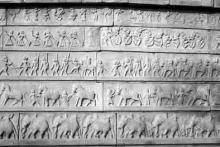
(ಕಳೆದ ಸಂಚಿಕೆಯಿಂದ...) ಎಲ್ಲಾ ಶಿಲ್ಪಗಳೂ ನೃತ್ಯಶಿಲ್ಪಗಳಾದೀತೇ? ನೃತ್ಯಕ್ಕೋ ಚಲನೆಯೇ ಉಸಿರು. ಆದರೆ ಚಲನಾತೀತವೆನಿಸಿದ ನರ್ತನಶಿಲ್ಪಗಳನ್ನು ಗುರುತಿಸುವುದು ಹೇಗೆ? ಶಿಲ್ಪಗಳನೇಕ ವಿಶೇಷವಾದ ಶಾಸ್ತ್ರೀಯವಾದ ಭಂಗಿಭಾವಗಳನ್ನು ಸಾಧಿಸಿದವೇ. ಕಥಾಪ್ರಸಕ್ತಿಯನ್ನು ಹೇಳುವ ಚರರೇಖಾವಿಲಾಸದ ಶಿಲ್ಪಗಳೂ ಹಲವಿವೆ. ಅವೆಲ್ಲಾ ನೃತ್ಯಶಿಲ್ಪವೆಂದೆನಿಸಿಕೊಳ್ಳಲು ಅರ್ಹವೇ? ಅಥವಾ ನಾಟ್ಯಾಯಮಾನತೆಯಲ್ಲಿ ಅವುಗಳ ಕೊಡುಗೆ ಎಷ್ಟು? ಇದು ಅನ್ವೇಷಕರನೇಕರ ಬಹುಮುಖ್ಯ ಸಮಸ್ಯೆ.ಈ ಪ್ರಶ್ನೆಗಳಿಗೆ ಉತ್ತರ ಹುಡುಕುವ ಕಾಯಕವೇ ಈ ಪ್ರಬಂಧದ ಮುಖ್ಯವಸ್ತು. ಭಾರತೀಯ ಕಲೆಗಳು ತಮ್ಮ ತಮ್ಮ ವ್ಯಾಪ್ತಿಯಲ್ಲಿ ಸರ್ವ ಸ್ವತಂತ್ರವೇ ಆದರೂ ಬಹಳ ಶಿಸ್ತಿನ ನೋಟಗಳನ್ನು ಹೊಂದಿರುತ್ತವೆ.
ಸಾಹಿತ್ಯದಲ್ಲಿ ದೃಶ್ಯಕಾವ್ಯದ ಮೇಲ್ಮೆ
ಅಭಿನವಭಾರತಿಯ ಮೊದಲಿಗೇ ದೃಶ್ಯಕಾವ್ಯದ ಮೇಲ್ಮೆಯನ್ನು ಅಭಿನವಗುಪ್ತನು ಹೇಳಿದ್ದಾನೆ. ಈ ಭಾವವನ್ನು ಕೃತಿಯ ಆದ್ಯಂತ ಅಲ್ಲಲ್ಲಿ ಬಿತ್ತರಿಸಿದ್ದಾನೆ ಕೂಡ. ವಿಶೇಷತಃ “ರಸಾಧ್ಯಾಯ”ದಲ್ಲಿ ಈ ಸಂಗತಿಯನ್ನು ಮತ್ತೆ ಪ್ರಸ್ತಾವಿಸುತ್ತಾನೆ. ಅಲ್ಲದೆ ಈ ಬಗೆಯಲ್ಲಿ ದೃಶ್ಯಕಾವ್ಯದಲ್ಲಿರುವ ರಸಪಾರಮ್ಯಕ್ಕೆ ಕಾರಣವನ್ನೂ ಹೇಳುತ್ತಾನೆ. ಮುಖ್ಯವಾಗಿ ಇಲ್ಲಿ ಚತುರ್ವಿಧಾಭಿನಯಗಳೂ ಸಮುಚಿತವಾದ ವೃತ್ತಿ-ಪ್ರವೃತ್ತಿಗಳೂ ಸೇರಿರುತ್ತವೆ; ಸಹೃದಯರಿಗೆ ಪ್ರತ್ಯೇಕವಾಗಿ ಕಲ್ಪಿಸಿಕೊಳ್ಳುವ ಶ್ರಮವಿಲ್ಲದೆಯೇ ವಿಭಾವಾನುಭಾವಸಾಮಗ್ರಿಯು ಇಂದ್ರಿಯಗೋಚರವಾಗುತ್ತದೆ. ಇಲ್ಲೆಲ್ಲ ತನ್ನ ಗುರುವಾದ ಭಟ್ಟತೌತನ ಪಾಠದ ಫಲವಂತಿಕೆಯನ್ನು ಚೆನ್ನಾಗಿ ಕಾಣಿಸಿದ್ದಾನೆ:
முன் அத்தியாயங்களில் நாம் இதுவரையில், சிவன் எவ்வாறு ஒரு தனி நபருக்கான அடையாளமாகவும், ராமன் எவ்வாறு ஒரு குடும்பஸ்தருக்கான அடையாளமாகவும் விளங்கினார்கள் என்பதைப் பற்றிப் பார்த்தோம். நாம் இப்போது கிருஷ்ணனின் வாழ்க்கை வரலாற்றையும், அவன் எவ்வாறு ஒரு சமூகப் பிரதிநிதியாக தன்னை முன்னிலைப் படுத்தினான் என்பதைப் பற்றியும் பார்க்கலாம்.