
Author:Shatavadhani Dr. R. Ganesh

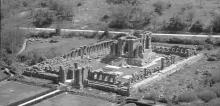
Any Empire that firmly sustains for at least 220-250 years can be called a successful Empire. A protracted and vigorous rule over a geographical spread roughly equivalent to the size of four average states of today’s India was considered to be a powerful Empire. Using this yardstick, we find some royal dynasties in India such as the Mauryas, Guptas, Chalukyas, Rashtrakutas, Pratiharas and Vijayanagara. After the demise of the grand Gupta Era, several kings attempted to recreate the same grandeur.
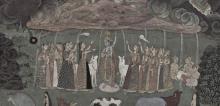
மஹாபாரதத்தின் மீதுள்ள ஈர்ப்பினால் 1970க்களில் திரு எஸ். எல். பைரப்பா அவர்கள் 'பர்வா' எனும் தமது நாவலை வெளியிட்டார். அதனுள் மஹாபாரதத்தில் பொதிந்துகிடக்கும் பல அற்புதமான அம்சங்களைத் தவிர்த்து, அவ்விதிகாசத்தில் இடம்பெறும் மனிதர்கள் பற்றின கதையாக அதனை முன்வைத்தார். 'பர்வா' நாவலில் கண்ணனைப் பற்றி விதுரன் திருதிராஷ்டிரன் இடத்தில், "கண்ணனைப் பற்றி நீ தவறாக புரிந்து வைத்திருக்கிறாய். பாண்டவர்கள் அனைவரும் போரில் மாண்டுவிட்டாலும் கூட அவன் குந்தியையோ அல்லது த்ரௌபதியையோ அரியணையில் அமரச் செய்வானே ஒழிய, உனது பொல்லாத புதல்வர்களை அவன் திரும்பிக்கூடப் பார்க்க மாட்டான்!", என்கிறான்.
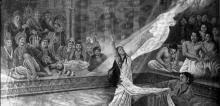
Duśśāsana pulled Draupadī’s garment and taunted her in vulgar language, even as she lamented, looking helplessly at the pale faces of her husbands. Her garment was dropping off her shoulder. Looking at this, Bhīma was greatly pained and told Dharmarāja in a furious tone, “O King! Gamblers never go to the extent of pledging their servants out of compassion for them. The Kauravas, through deception, have won over everything that was in our possession – the treasures that the king of Kāśi had offered to us as a sign of respect, our chariots, our weapons, and the entire kingdom.
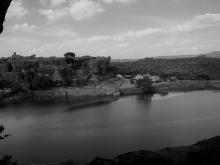
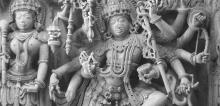
(ಕಳೆದ ಸಂಚಿಕೆಯಿಂದ...) ಮಹಾನಟನಿಗೆ ಕಾವ್ಯನೃತ್ಯೋಪಚಾರ- ಆಲಯವಿಶೇಷತೆಯ ನರ್ತನಕ್ಕೊಂದು ಸೇರ್ಪಡೆ ಪ್ರಕೃತ ಲೇಖನದ ಪ್ರಧಾನ ಆಶಯವನ್ನು ಪೋಷಿಸುವಂತೆ ಶಿಲ್ಪಸಾಮ್ರಾಜ್ಯದ ಮುಖ್ಯವಾಹಿನಿಯಲ್ಲಿ ಬೆಳಗಿಯೂ ಮರೆಯಲ್ಲಿರುವ ಕರ್ನಾಟಕದ ಒಂದು ಉತ್ಕೃಷ್ಟ ಶಿಲ್ಪಕ್ಕೆ ನೃತ್ಯಕಾವ್ಯವೊಂದನ್ನು ರಚಿಸುವ ಪ್ರಯತ್ನ ಲೇಖಿಕೆಯದ್ದು.

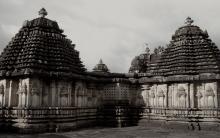
After Krishnadevaraya’s death, Achyutaraya just managed to run the kingdom. He wasn’t particularly competent. And by the time of Ramaraya, the kingdom had completely declined. In this context, we must recall the Mahābhārata’s Daṇḍanīti (Principles of Governance).
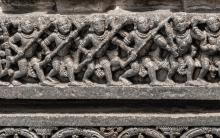
The Kannada Sahitya Parishad appointed two senior scholars to carry out its work. One was Nanjundashastri of Togere. The other was Nanjundashastri of Kadaba. Both were eminent scholars.

Vidura’s advice fell on deaf ears. Śakuni said to Dharmarāja, “Yudhiṣṭhira, you’ve lost a lot of wealth. Tell us if there is something you haven’t yet lost!”
Yudhiṣṭhira replied, “I know how much of wealth I have – my riches are immeasurable. Why do you ask, Śakuni? I can pledge any amount I want – ayuta, prayuta, padma, arbuda. śaṅkha, nikharva, samudra [1], anything..!”