
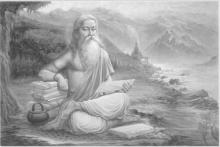
The two children who were born to Satyavatī passed away at a young age. Satyavatī was saddened, thinking about her responsibility towards the lineage of her parents and husband. She called Bhīṣma and said, “O Bhīṣma! As you see, King Śantanu’s lineage has ended with you. You’re well-versed in the Vedas and the Vedāṅgas; you also have a good understanding of dharma. So I repose faith in you and will tell you something; you should carry out my request. My son and your younger brother, Vicitravīrya, left this world without begetting children.
Author:A R Krishna Sastri
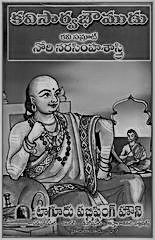
ಆ ಕಾಲದ ಕವಿಗಳ ರೀತಿ-ನೀತಿಗಳು, ವಿವಿಧಕಲೆ-ಕ್ರೀಡೆಗಳ ವಿವರಗಳು, ವೈದಿಕ-ಲೌಕಿಕವೈಭವ-ವಿಶೇಷಗಳು ಮತ್ತಿತರ ಅನೇಕಸ್ವಾರಸ್ಯಗಳನ್ನು ನೋರಿಯವರು ತಮ್ಮ ಈ ಕಾದಂಬರಿಯಲ್ಲಿ ಹದವರಿತು ಬೆಸೆದಿದ್ದಾರೆ. ಶ್ರೀನಾಥನ ಹೆಂಡತಿಯ ತಮ್ಮನೊಬ್ಬನಿದ್ದ. ದುಗ್ಗನನೆಂಬುದು ಆತನ ಹೆಸರು. ಇವನೂ ತೆಲುಗುಕವಿ. “ನಾಚಿಕೇತೂಪಾಖ್ಯಾನ”ವೆಂಬ ಕಾವ್ಯವನ್ನು ಇವನು ಬರೆದಿದ್ದಾನೆ. ಪೋತನನು ಈ ದುಗ್ಗನನ ಸ್ನೇಹಿತ ಹಾಗೂ ಶ್ರೀನಾಥನ ಹೆಂಡತಿಗೆ ಪ್ರೀತಿಯ ಸೋದರಸದೃಶನೆಂದು ನೋರಿಯವರು ಕಲ್ಪಿಸಿದ್ದಾರೆ. ಇವರೆಲ್ಲ ಶ್ರೀನಾಥನಿಗಿಂತ ಇಪ್ಪತ್ತಿಪ್ಪತ್ತೈದು ವರ್ಷಗಳಿಗೆ ಚಿಕ್ಕವರು. ಕವಿಯಾಗಬೇಕೆಂಬ ಬಯಕೆಯನ್ನು ಹೊಂದಿದ ಯುವಕ ಪೋತನನೂ ವಿಜಯನಗರಕ್ಕೆ ಬಂದಿದ್ದನು. ಅದೇ ಸಮಯದಲ್ಲಿ ವಿಜಯನಗರದಲ್ಲಿ ಕುಮಾರವ್ಯಾಸನೂ (ನಾರಣಪ್ಪ) ವ್ಯಾಸಂಗನಿರತನಾಗಿದ್ದನು.
ಅಸಮದಲಿ ಸಮತೆಯನು ವಿಷಮದಲಿ ಮೈತ್ರಿಯನು ।
ಅಸಮಂಜಸದಿ ಸಮನ್ವಯ ಸೂತ್ರ ನಯವ ॥
ವೆಸನಮಯ ಸಂಸಾರದಲಿ ವಿನೋದವ ಕಾಣ್ಬ ।
ರಸಿಕತೆಯೆ ಯೋಗವಲೊ - ಮಂಕುತಿಮ್ಮ ॥
To find equality in disparity, harmony in oddities,
A gentle strand of reconciling strife,
To find joy in the melancholy of worldly existence –
This attitude of refined taste verily is Yoga – Mankutimma

Among the enduring myths in which the Dravidianists repose unshakeable faith, the story of the Evil Kalabhras stands foremost. So, who were the Kalabhras? The answer from the pristine-pure Dravidian scholarship says that they were a race who robbed everything that belonged to the Tamils including their very Tamil-ness (Tamil identity), and plunged the Tamil Country into a Dark Age. But when Dr.
In 1957, the Central Government constituted a commission under the leadership of renowned linguist Dr. Suniti Kumar Chatterji. Great scholars like Dr. V Raghavan, Panditaraja V S Ramachandra Shastri, and Prof. S K De were its members. The findings of mega report – comprising more than three hundred pages prepared by the committee after travelling to the nooks and corners of the country for a year, consulting hundreds of institutions and thousands of scholars, and researching the data – would surprise even a hater of Sanskrit, and he would melt.
KAVI SARVABHAUMUDU
Excessive greed and curiosity kill!
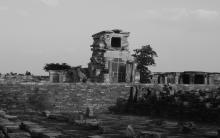
Among Ashoka’s numerous children, Tivra, Mahendra, Kunala, and Jaluka were prominent. The Vāyu and other Purāṇas contain several details about this. Among them, Kunala ruled the kingdom after Ashoka. After his eight-year rule, the next generation took charge. Brihadratha was one among them. Some opine that he was the grandson of Ashoka. However, historical studies reveal otherwise. Samprati Chandragupta was a grandson of Ashoka and his son was Brihadratha. All of them were uniformly weak rulers, bereft of kṣātra.
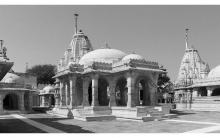
When Akrura comes to Gokula and invites Krishna to participate in the dhanuryāga, he takes leave of his foster-parents Yashoda and Nandagopa, and goes off with Akrura taking his brother Balarama with him. Even as the brothers enter the city of Mathura, they meet the royal washerman. Krishna and Balarama were honourable guests in Mathura but when they requested the washerman for a pair of clothes, he refused and abused them. Krishna immediately revolts. It didn’t matter who the other person was. They say that democracy needs eternal vigilance. We see that in Krishna’s life.