
Author:D V Gundappa
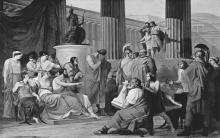
The epics, Iliad and Odyssey of Homer, largely complement each other in terms of what they offer to connoisseurs. Using the terminology of the rasas (flavours of emotions), the predominant rasa in the Iliad, which also acts as the sthāyi-bhāva, is valour (vīra). To sustain the undercurrent of valour for over 15,000 lines is a great challenge, which has been met successfully only by poets like Vālmīki, Vyāsa and Homer.

Slaying of the rākṣasa Kabandha is one of the fascinating episodes in Ādikavi Vālmīki's Rāmāyaṇam. This oft-quoted episode appears at the end of the Araṇya-kāṇḍa (cantos 69-73). After Rāvaṇa abducts Sītā, Rāma and Lakṣmaṇa move southward in search of her. During their journey, they come across the impassable Krauñca forest, where Kabandha seizes them. Gigantic and grotesque, the rākṣasa had no head, neck, and legs. It was just ruṇḍa without muṇḍa[1].

Marxist-Communist historians claim that because Pushyamitra Shunga was a brāhmaṇa, all events that occurred during his period were merely the revolt of brāhmaṇas. These incidents symbolize the enmity that brāhmaṇas had against Ashoka and his heritage. Contrary to their claims, varṇa doesn’t occupy a significant place in this.
This is the second part of the two-part article published on the occasion of the 2018 Tyāgarāja Ārādhana Utsavam, which falls on today's date. — Editors
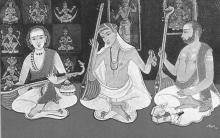
Prekshaa is glad to bring out a special two-part article on the occasion of Tyāgarāja Ārādhana 2018, which falls on January 6th this year. This also happens to be Tyāgarāja's 250th birth anniversary year. — Editors
Śrī Tyāgarājāya Namaḥ
vyāso naigama-carcayā mrudugirā valmīka-janmā muniḥ
vairāgye śuka eva bhaktiviṣaye prahlāda eva svayaṃ |
brahmā nārada eva cāpratimayoḥ saṅgīta-sāhityayoḥ
yo rāmamṛtapāna-nirjita-śivastaṃ tyāgarājam bhaje ||

ಪ್ರವೇಶಿಕೆ
“ಪಾತುಂ ಶ್ರೋತ್ರರಸಾಯನಂ ರಚಯಿತುಂ ವಾಚಃ ಸತಾಂ ಸಮ್ಮತಾ
ವ್ಯುತ್ಪತ್ತಿಂ ಪರಮಾಮವಾಪ್ತುಮವಧಿಂ ಲಬ್ಧುಂ ರಸಸ್ರೋತಸಃ |
ಭೋಕ್ತುಂ ಸ್ವಾದುಫಲಂ ಚ ಜೀವಿತತರೋರ್ಯದ್ಯಸ್ತಿ ತೇ ಕೌತುಕಂ
ತದ್ಭ್ರಾತಃ ಶೃಣು ರಾಜಶೇಖರಕವೇಃ ಸೂಕ್ತೀಃ ಸುಧಾಸ್ಯಂದಿನೀಃ ||” (ಬಾಲರಾಮಾಯಣ, ೧.೧೫)
“ಕಿವಿಗೆ ಅಮೃತವಾಗಬಲ್ಲ ರಸಪಾಕದ ಆಸೆಯುಂಟೆ? ಸಜ್ಜನರು ತಲೆದೂಗಬಲ್ಲಂಥ ಕಾವ್ಯರಚನೆಯ ಸ್ವಾರಸ್ಯ ತಿಳಿಯಬೇಕೆ? ಉತ್ಕೃಷ್ಟಪಾಂಡಿತ್ಯವನ್ನು ಗಳಿಸಬೇಕೆ? ರಸಸಾಗರದ ಸೀಮೆಯನ್ನು ಕಾಣಬೇಕಾಗಿದೆಯೆ? ಜೀವನತರುವಿನ ಮಧುರಫಲವನ್ನು ಆಸ್ವಾದಿಸಲಾಸೆಯಿದೆಯೆ? ಇದಾವ ಕುತೂಹಲವದ್ದರೂ ಸರಿ, ಸಖನೇ! ಸುಧೆಯನ್ನು ಸೂಸುವ ರಾಜಶೇಖರಕವಿಯ ಸೂಕ್ತಿಗಳನ್ನು ಕೇಳು!”
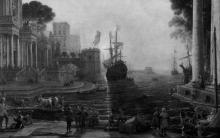
The events in the Iliad span only a few weeks in the final year of the war and most of them occur outside the city-walls of Troy. In the Odyssey, the events take place over a span of ten years and at different places on the earth and in the netherworld too. While the Iliad gives us microscopic details by zooming in on time, keeping the space constant, the Odyssey gives us a telescopic view of different places at different times. The name ‘Iliad’ suggests constancy in space.
Srinivasa Murthy was a born rasika (connoisseur). Being a rasika presupposes a penchant to search for splendour in every aspect of life and to enjoy the splendour present in them. This natural quality in Murthy blossomed in the field of literature on the one hand and on the other, it pervaded his daily life.
Many people have pointed out our blind emulation of the English language, culture, and people; this tendency of blindly imitating the west has also been ridiculed. Emulation—which has the basis of understanding—is fine; it is the blind emulation that is unpardonable. Yet the demonic cult has been growing, unstoppable.