
DVG’s assessment of the social milieu in South India before the fourteenth century ce requires mention:
Author:shashikiran
Kāleju Baravaṇigè (‘College Writings’)
Rajarathnam gave ample opportunities to his students to showcase their talents through publications like Namma Bendre, Namma Nammavaru, and Bāla-sarasvati.

5.
Recognition of Self
Understanding and responding to the tender minds of children needs a kind of dissolution of Self. It needs an assessment of our self from a perspective outside of us. This came to Rajarathnam somewhat by nature. (After his graduation he worked in śiśu-vihāra—kindergarten—among children for some time). The following extract from his work Hattu-varuṣa that is presently relevant, which can be considered as a part of his autobiography, has remained in the minds of many people –
Janab Muhammad Buḍan Khān was the inspector of Urdu schools. He would come to inspect the Anglo-Hindustani school in our town[1] once or twice a year.
ಭವಭೂತಿ “ಉತ್ತರರಾಮಚರಿತ”ದ ಕಡೆಯ ಅಂಕದಲ್ಲಿ ಗರ್ಭಾಂಕತಂತ್ರವನ್ನು ಬಳಸಿ ಸೀತಾ-ರಾಮರ ಪುನರ್ಮೇಲನವನ್ನು ಸಾಧಿಸಿದ್ದಾನೆ. ಇದನ್ನು ವಾಲ್ಮೀಕಿಮುನಿಗಳ ರಾಮಾಯಣದ ಕಡೆಯ ಭಾಗವೆಂಬಂತೆಯೂ ಕಲ್ಪಿಸಿದ್ದಾನೆ. ಅವನ ಪ್ರಕಾರ ಶ್ರವ್ಯಕಾವ್ಯವಾದ ರಾಮಾಯಣದ ಮುಗಿತಾಯವು ದೃಶ್ಯಕಾವ್ಯದ ಮೂಲಕ ಆಗಬೇಕೆಂದು ವಾಲ್ಮೀಕಿಯದೇ ಸಂಕಲ್ಪ. ಆದುದರಿಂದಲೇ ಕಡೆಯ ಭಾಗವನ್ನು ರಂಗಕ್ಕೆ ತರಲು ಭರತಮುನಿಯ ನೆರವನ್ನು ಕೋರಿ ಅವನಿಗೆ ಹಸ್ತಪ್ರತಿಯನ್ನೂ ಕೊಡಲಾಗಿತ್ತು. ಹೀಗೆ ಸಜ್ಜುಗೊಂಡ ರೂಪಕವು ರಾಮನ ಸಾನ್ನಿಧ್ಯದಲ್ಲಿ, ಅಶೇಷ ಕೋಸಲಪ್ರಜೆಗಳ ಸಮಕ್ಷದಲ್ಲಿ ಪ್ರಯುಕ್ತವಾಯಿತು. ಈ ರೂಪಕದಲ್ಲಿ ಸೀತೆಯ ಪಾತ್ರವನ್ನು ಆಕೆಯೇ ನಿರ್ವಹಿಸಿದ್ದಲ್ಲದೆ ಗಂಗೆ-ಭೂದೇವಿಯರೂ ತಮ್ಮವೇ ಭೂಮಿಕೆಗಳಲ್ಲಿ ಬರುತ್ತಾರೆ.
Bhāmaha writes the following in his Kāvyālaṅkāra
“upeyuṣāmapi divaṃ sannibandhavidhāyinām|
āsta eva nirātaṅkaṃ kāntaṃ kāvyamayaṃ vapuḥ ||”
“Many people who wrote excellent poems have gone to the svarga. However, their beautiful, poetic body will remain here for ever.”
The above statement is quite popular in scholarly circles.
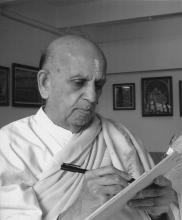
Reminiscent of this statement, Prof. S.K. Ramachandra Rao’s yaśaḥ kāya –body of fame has remained with us through his immortal works.

4. As Kaliṅgasenā stood on her balcony watching Somaprabhā fly away, a vidyādhara called Madanavega saw her and was awestruck by her beauty. But he thought it was not appropriate for him to be smitten by a mortal woman. He remembered Prajnapti, the goddess of intellect who appeared before him and told him that she was an apsaras born on the earth due to a curse. While this made him happy, no matter how much he wanted, he couldn’t just carry her away by force, for he carried a curse that would strike him dead if he were to force any woman.