
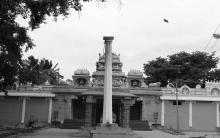
There once lived an elderly veśyā who went by the name Sītakka in the Guniguntipalya area of Mulubagilu town. She had a foster daughter. I remember her name to be Ratnāsānī. In those days, the Bharatācārya[1] who lived in our town was a vaidika (a Vedic scholar/someone who follows and practices the Vedic lifestyle), Panasakayala Venkatasubbabhatta. I must have been around seven-eight years of age when I saw him. He was around seventy.
Author:hari
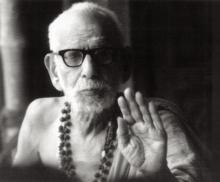
DVG’s Sri Ramaparikshanam has attempted to examine and analyse the various strands of difficult questions related to Dharma by creating imaginary conversations that Sri Rama has between Ahalya, Sita, Lakshmana and other important characters. Although Sri Rama is a Puranic person, he is placed in the human world and his various accomplishments and sorrows are brought out in this work.

অগ্নিষোমীয় ব্যুহ হল সৃষ্টির কাঠামো, এক অনন্ত বিন্যাস। ভক্ষক-ভক্ষিতের সম্পর্ককে বেঁধে রাখার এক চিরন্তন প্রতিষ্ঠান। এই বিষয়টি উপনিষদ এবং যোগবাসিষ্ঠে আলোচিত হয়েছে। গীতায় কৃষ্ণ এই বিষয়টি সম্পর্কে বলেন যখন তিনি চন্দ্র, সূর্য, অগ্নি, শক্তি, প্রাণরস, চিন্তা ইত্যাদির সাথে নিজেকে অভিন্ন রূপে বর্ণনা করেন (ভ. গী. ১৫.১২-১৫)।
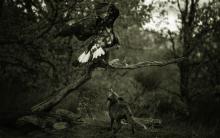
During times of adversity, if one doesn’t despair and stands firm with determination – and added to that if he received divine grace, the adversity soon passes and he is rewarded. Long back, in Vaidiśa-nagara, a boy had died. His relatives were overcome by grief, for he was the only son in the family [who had to take forward the lineage]; drowned thus in sorrow, they took the corpse to the cemetary, placed it on their laps and wept bitterly. An eagle that came there upon hearing their cries said, “How long will you hold on to the corpse? Leave it here and return to your homes.

Studying the life and works of S L Bhyrappa, I strongly feel that the urge to probe into the principle of mystery around is the governing force of his creative imagination. Mystery of nature, birth, death, sexual instinct, history, the intellectual and emotional world of humans—all play a dominant role in shaping him as an individual and litterateur par excellence.

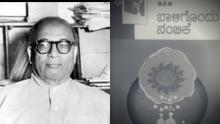
Honours and Felicitations
For years on end, DVG kept refusing the requests from the public and government for honouring and felicitating him. Without waiting for even a moment, DVG rejected the pension that the government voluntarily offered him.
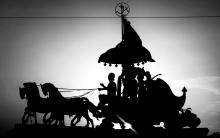
ಭಗವದ್ಗೀತೆಯ ಹೃದಯ – ಡಾ|| ಲಿಂಗೇಶ ಮಹಾಭಾಗವತರು
[ಇದು ‘ದಿ ಇಂಡಿಯನ್ ರಿವ್ಯು ಆಫ್ ರಿವ್ಯೂಸ್’ ಮಾಸಪತ್ರಿಕೆಯ ‘ವಿಶಿಷ್ಟಗ್ರಂಥಗಳು’ ಎಂಬ ಅಂಕಣದಲ್ಲಿ ಡಾ|| ಡಿ. ವಿ. ಗುಂಡಪ್ಪನವರು ಆಂಗ್ಲಭಾಷೆಯಲ್ಲಿ ಮಾಡಿದ ಗ್ರಂಥವಿಮರ್ಶೆಯ ಕನ್ನಡಾನುವಾದ. ಮೂಲದ ಪ್ರಕಟನೆ: ಸೆಪ್ಟೆಂಬರ್ ೧೯೨೧.]
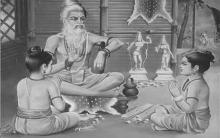
ஒரு பாலகனுக்கு உபநயனம் நடத்த தகுந்த வயது குறித்த கோட்பாடுகள் வித்தியாசப்படுவதைக் காண்கிறோம்(அந்த பாலகனை ‘vaṭu’ என்றழைக்கின்றனர்).[1] இதில் சுவாரசியமான விஷயம் என்னவென்றால் அவ்வயது கருத்தாக்கத்திலிருந்து கணிக்கப்படுகிறது என்பதே.[2] குழந்தையின் வயதைக் கணிக்கும் வழக்கம் பாரத தேசத்தில் தொன்றுதொட்டு நடைபெற்று வருகிறது.