Author:hari

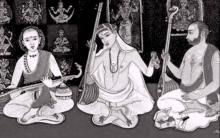
[In the book, Vāggeyakāra Vāsudevācārya, there is an essay that records my reverence and admiration about Mysore Vasudevacharya’s personality. Acharya’s grandson, S Krishnamurthy, M.A. was the editor of that book. That anthology also contains essays by a few eminent scholarly connoisseurs. I also got the opportunity to express my innermost sentiments in the foreword I wrote for Acharya’s wonderful work, Nā kaṇḍa kalāvidaru (‘Artistes whom I have encountered’). Another book written by Acharya, Nenapugaḻu is also an interesting read.

Thoughts on Politics

Shivaswami Iyer sided with the Moderates in politics. This party was known as the ‘Liberals’. He did not like the extremists and did not appreciate the path taken by Tilak and others. He subscribed to the views of Gokhale, Dadabai Navaroji, Ranade and others. In his view, the ideas of Mahatma Gandhi were very impractical and insane. He never missed an opportunity to say that Gandhi’s path would only dig grave for India.

Characters are Akin to Shadows

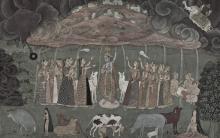
The principles and tenets symbolized by the Devas and the Asuras in the Vedic lore have been clearly, vividly unraveled in the characters of the Pandavas and Kauravas. In the backdrop of this stream of thought, it is indeed appropriate to regard the characters of the Mahabharata as metaphors and akin to shadows.

Upon hearing these despondent words of Droṇa, Duryodhana addressed Bhīṣma, Droṇa, and Kṛpa: “Karṇa and I have said this several times in the past; yet I repeat it now – when the Pāṇḍavas lost the game of dice, as per our wager they had to spend twelve years in exile in the forest and one year incognito; this is the year they have to live unrecognized by all; the year of living incognito is not yet complete; if we encounter Arjuna now, then the Pāṇḍavas have to spend another twelve years in forest exile. Let us assume that it is indeed Arjuna; even so, why should we fear or retreat?

Varadacharya’s Proficiency in Art

When we were watching Varadacharya’s plays at the theatre near Kichchetty’s Choultry, I remember what Rangaswamy Iyengar would say about the nature of rāgas used in the plays. I also remember his explanation on the terminologies like vikambha, śuddha vikambha, and miśra vikambha used in drama for indicating certain aspects.[1]

yadihAsti tadanyatra yannEhAsti na tat kvacit || (Adi Parva: 56:33)

 That which exists in the Mahabharata exists everywhere in the world.
That which is not in the Mahabharata does not exist anywhere else.

Such laudatory exclamations, and the eulogies of the greatness of Bhagavan Veda Vyasa, the architect of Indian culture and civilization, are plentiful. Even if we regard the Mahabharata merely as a work of literature, it continues to stand as an unparalleled feat.

আমাদের অনেকের কাছেই কৃষ্ণ হলেন হিন্দুধর্মাদর্শের প্রতীক। তাঁর প্রতিটি চিন্তাধারায়, বাণীতে ও কর্মে হিন্দুমতাদর্শ প্রতিফলিত হয়। তাই এতে এমন কিছু আশ্চর্য লাগেনা, যখন দেখা যায় যে, ভারতযুদ্ধকালীন অর্জুনকে প্রদত্ত তাঁর পরামর্শ গুলি হিন্দু-ভাবনার সর্বশ্রেষ্ঠ সারকথা রূপে পূজিত হয়। ভগবদ্গীতার বর্তমান রূপ-টির প্রতিটি শব্দই যে কৃষ্ণ কর্তৃক উচ্চারিত হয়েছিল, তা আজ জোর দিয়ে বলা না গেলেও, খুব সম্ভবত এটাই মনে হয় যে, অন্তত গীতার মূল সার-টি কৃষ্ণেরই বাণী। আমরা সকলেই কখনও না কখনও এমন পরিস্থিতির সম্মুখীন হয়েছি, যেখানে কোনও এক হতাশাগ্রস্ত বন্ধু পরামর্শ আশা করেছে। এমতাবস্থায় আমাদের সবচেয়ে স্বাভাবিক প্রবৃত্তি হল,

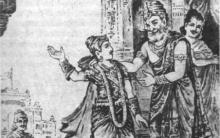
Arjuna ran behind Uttara for less than a hundred steps before he caught the young man’s tuft of hair, bringing him to a halt. Uttara began whining like a person overcome by a great calamity. “I will give you a hundred coins made of pure gold; I will gift you ten elephants in rut; leave me alone Bṛhannaḍā!” he pleaded with outstretched hands. Fear had paled the reasoning and consciousness of the young prince; listening to his words and his entreaties, Arjuna smiled and led him to the chariot. He said, “O prince!