Then he thought, ‘Fie upon me – I brought this allegation upon myself! Or why should I blame myself? The king was happy for a long time. Which other prince achieved so much, uprooted both the internal and external enemies with great tact? Did any of them take great care such that the varṇāśrama-dharma was followed without lapses? Who else has a son like Avantivardhana who is blessed with such noble qualities? Let all these be so; hasn’t Naravāhanadatta recognised me as the emperor?
Author:hari
Upa-rūpakas (Continued)
Note
nija-mahimeyan-īśaṃ tā-
n-ajan-avyayan-aprameya-navaviliptaṃ meṇ ।
tri-jagad-vyāptaṃ śaktaṃ
bhajanīyaṃ kāmyaneṃbudaṃ baṇṇisuvam ॥
Īśvara, the birthless, imperishable,
immeasurable, unattached,
pervader of all the three worlds, and powerful,
describes his own glory and
shows how he can be praised and loved.
೨. ವಿಷಮಪಾದದ ಉತ್ತರಾರ್ಧದಲ್ಲಿ ಲಘುಬಾಹುಳ್ಯವುಳ್ಳ ಸಂದರ್ಭಗಳಲ್ಲಿ ಆಯಾ ಓಜಪಾದಗಳ ಪಂಚಮಾಕ್ಷರಗಳು ಲಘು ಅಥವಾ ಗುರುವೇ ಆಗಿರಲಿ, ಮೇಲಣ ಎಚ್ಚರಿಕೆಯನ್ನು ಪಾಲಿಸಿದ್ದೇ ಆದಲ್ಲಿ ಶ್ಲೋಕದ ಧಾಟಿ ಕೆಡುವುದಿಲ್ಲ. ಇಂತಿದ್ದರೂ ಪಂಚಮಾಕ್ಷರವು ‘ಲಕ್ಷಣವಿರುದ್ಧ’ವಾಗಿ ಗುರುವಾದಲ್ಲಿ ಒಟ್ಟಂದದ ಶ್ಲೋಕಗತಿಗೆ ಹೆಚ್ಚಿನ ಸೊಗಸು ಬರುತ್ತದೆ. ಉದಾ:
ಷಾಣ್ಮಾತುರಃ ಶಕ್ತಿಧರಃ ಕುಮಾರಃ ಕ್ರೌಂಚದಾರಣಃ || (ಅಮರಕೋಶ, ೧.೧.೪೭)
ಆದರೆ ಓಜಪಾದದ ಪೂರ್ವಾರ್ಧವು ಗುರುಗಳಿಂದಲೇ ತುಂಬಿದ್ದರೆ - ವಿಶೇಷತಃ ಮೂರು ಹಾಗೂ ನಾಲ್ಕನೆಯ ಅಕ್ಷರಗಳು ಗುರುಗಳಾಗಿದ್ದರೆ - ಐದನೆಯ ಅಕ್ಷರವು ಲಕ್ಷಣಾನುಸಾರವಾಗಿ ಲಘುವಾಗುವುದೇ ಒಳಿತು.
46. Kadambakoraka-nyāya
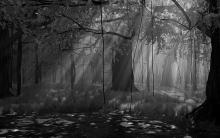
The buds of Kadamba trees are the topic of this nyāya. These buds bloom simultaneously. If one blooms it's a given that all will bloom. One can remember how the streetlights of an area or all the lights pertaining to a drama performance lights up together. When many things happen simultaneously then this nyāya is used to describe them. It is also called kadambamukula-nyāya or kadambagolaka-nyāya.
32.Ākāśamuṣṭihanana-nyāya
Punching the sky! Spending effort on futile things! Punching the sky would just lead to exhaustion but won’t hurt the sky in any manner whatsoever!
Those who follow the āsurī form of prakṛti delude and waste themselves.
moghāśā moghakarmāṇo moghajñānā vicetasaḥ
BG9.12
The rākṣasas are cruel and unscrupulous. For them, their bodies are their self and bodily pleasures are the greatest happiness. Naraka and repeated births in lowly creatures are their fate.
‘ಶ್ಲೋಕ’ ಎಂಬ ಪದ್ಯಪ್ರಕಾರವು ಸಾಲಿಗೆ ಎಂಟರಕ್ಷರಗಳಂತೆ ನಾಲ್ಕು ಪಾದಗಳನ್ನುಳ್ಳ ಅನುಷ್ಟುಪ್ವರ್ಗದ ಛಂದಸ್ಸುಗಳಲ್ಲಿ ಒಂದು ಪ್ರಭೇದವಾದರೂ ಇದಕ್ಕೆ ಇಡಿಯ ಆ ವರ್ಗದ ಹೆಸರೇ ರೂಢವಾಗಿದೆ. ಈ ವೈಚಿತ್ರ್ಯಕ್ಕೆ ಕಾರಣ ಅದರ ಪ್ರಾಚುರ್ಯ ಮತ್ತು ವೈದಿಕಸಾಹಿತ್ಯದ ಅನುಷ್ಟುಪ್ಪಿನೊಡನೆ ಅದಕ್ಕಿರುವ ನೈಕಟ್ಯ-ಸಾದೃಶ್ಯಗಳೇ ಆಗಿವೆ. ಸಾಮಾನ್ಯವಾಗಿ ಸಮೂಹವೊಂದರಲ್ಲಿ ಹೆಚ್ಚು ಪ್ರಸಿದ್ಧವಾದ ಪ್ರಭೇದವನ್ನು ಇಡಿಯ ಗುಂಪಿನ ಹೆಸರಿನಿಂದಲೋ, ಅಥವಾ ಆ ಗುಂಪನ್ನೇ ತತ್ಸಂಭೂತವಾದ ಪ್ರಭೇದದ ಹೆಸರಿನಿಂದಲೋ ಗುರುತಿಸುವುದುಂಟು.
ಈ ಮೊದಲೇ ಕಂಡಂತೆ ನವೋದಯದಿಂದೀಚೆಗೆ ನಮ್ಮಲ್ಲಿ ಸಾನೆಟ್ ಹೆಚ್ಚಿನ ಪ್ರಸಿದ್ಧಿ-ಪ್ರಾಶಸ್ತ್ಯಗಳನ್ನು ಗಳಿಸಿದೆ. ನವ್ಯ-ನವ್ಯೋತ್ತರಯುಗಗಳಲ್ಲಿಯೂ ಈ ಬಂಧವು ಉಳಿದುಬಂದಿದೆ. ಆದರೂ ಲಕ್ಷಣಶುದ್ಧವಾದ ಸಾನೆಟ್ಗಳನ್ನು ನವೋದಯದಲ್ಲಿಯೇ ಕಾಣಬಹುದು. ಈಚಿನ ದಶಕಗಳಲ್ಲಿ ಮಾತ್ರಾಸಮತೆ, ಪಾದಬದ್ಧತೆ, ಪ್ರಾಸಪೂರ್ಣತೆ ಮುಂತಾದ ಶಿಸ್ತಿಲ್ಲದೆ ಸಾನೆಟ್ ತನ್ನ ಲಕ್ಷಣಶುದ್ಧಿಯನ್ನು ಉಳಿಸಿಕೊಂಡಿಲ್ಲ. ಹೀಗಾಗಿ ಲಕ್ಷಣಬದ್ಧವಾದ ಬಂಧಗಳನ್ನೇ ವಿವೇಚಿಸುವ ಈ ಪ್ರಯತ್ನದಲ್ಲಿ ಚ್ಯುತಲಕ್ಷಣಗಳಿಗೆ ಅವಕಾಶವಿಲ್ಲದಿರುವುದು ಯುಕ್ತವೇ ಆಗಿದೆ. ಈ ಹಿನ್ನೆಲೆಯಲ್ಲಿ ನವೋದಯದ ಕೆಲವು ಮಾದರಿಗಳನ್ನು ನಾವು ಪರಿಶೀಲಿಸಬಹುದು:
ನನ್ನವೀ ನುಡಿಗಳಿರ! ಕಾಲದಲೆಗಳಲಿ