ಕರ್ಷಣಜಾತಿಗಳು ಮಾತ್ರಾಜಾತಿಗಳಂತೆಯೇ ಏಕದೇಶಸ್ಥಿರವಾಗಿವೆ. ಈ ಸ್ಥಿರತೆ ಪದ್ಯಬಂಧಗಳ ಚಾಕ್ಷುಷರೂಪದಲ್ಲಿರದೆ ಶ್ರಾವಣರೂಪದಲ್ಲಿ ಕಾಣಸಿಗುತ್ತದೆ. ಅಂದರೆ, ಕರ್ಷಣಜಾತಿಗಳ ಭಾಷಾಪದಗತಿ ಗದ್ಯಕ್ಕಿಂತ ಬಲುಮಟ್ಟಿಗೆ ಬೇರೆ ಎನಿಸದ ಹಾಗೆ ಅನಿಬದ್ಧವಾಗಿ ತೋರುತ್ತದೆ. ಅವುಗಳ ಪದ್ಯಗತಿ ಛಂದಃಪದಗತಿಯ ಮೂಲಕ ಮಾತ್ರ ಉನ್ಮೀಲಿಸಬೇಕು. ಆದುದರಿಂದಲೇ ಇವುಗಳ ಭಾಷಾಪದಗತಿ ಹೇಗೇ ಇದ್ದರೂ ಏಕ / ಆದಿ, ರೂಪಕ, ಖಂಡ ಮತ್ತು ಮಿಶ್ರ ಎಂಬ ನಾಲ್ಕು ಬಗೆಯ ಮೂಲಭೂತ ಲಯಗಳಿಗೆ ಒಗ್ಗುವಂತೆ ಪದ್ಯಗತಿ ಕರ್ಷಣದ ಮೂಲಕ ರೂಪುಗೊಳ್ಳುತ್ತದೆ. ಇದನ್ನು ಸಾಂಗತ್ಯದಂಥ ಒಂದು ಬಂಧ ಶ್ರಾವಣರೂಪದಲ್ಲಿ ನಾಲ್ಕು ಬಗೆಯ ಗತಿಗಳಿಗೂ ಅಳವಟ್ಟಾಗ ಎಷ್ಟೆಲ್ಲ ಮಾತ್ರೆಗಳ ಆಕೃತಿವ್ಯತ್ಯಾಸವನ್ನು ಹೊಂದುವುದೆಂಬ ನಿದರ್ಶನದ ಮೂಲಕ ಮನಗಾಣಬಹುದು:
Author:shashikiran
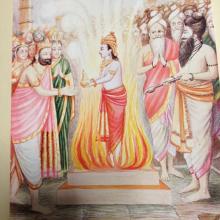
Early next morning they heard a resounding thunder in the cloudless sky. When the sages turned to Divākaradeva questioningly, he said, ‘This is the sound made by the kettle drums in the air-chariots. Since it’s coming from inside, it sounds like thunder. Here comes our master now, lo behold!’ The sky acquired a tinge of gold as if it were enveloped in the colours of rainbow and lightning. Then, several air-chariots glowing with hues of an array of precious stones became visible. The emperor’s chariot landed right in front of Kāśyapa’s hermitage.
72. Gaṇḍasyopari piṭakaḥ samvṛttaḥ
A boil on a tumor. When there is no end for trouble this nyāya is used. There is a proverb in kannada which roughly translates to “rubbing salt on one’s wounds”. This is similar to that.
ಈ ಮುನ್ನ ಕಾಣಿಸಿದ ಮಾದರಿಗಳಲ್ಲಿ ಹ್ರಸ್ವ ಮತ್ತು ಮಧ್ಯಮಗಾತ್ರದ ಬಗೆಬಗೆಯ ಅಕ್ಷರ / ಮಾತ್ರಾಘಟಕಗಳನ್ನು ಪರಿಶೀಲಿಸಿದಾಗ ‘ಇವೇ ಪರಿಮಾಣಗಳಲ್ಲಿ ಹೆಚ್ಚಿನ ಭಾಷಾಪದಗಳು ರೂಪುಗೊಳ್ಳುವುವೇ?’ ಎಂಬ ಸಂದೇಹ ಕೆಲವರಲ್ಲಿ ಮೂಡಬಹುದು. ಭಾಷಾಪದಗಳು ತಮ್ಮ ಪರಿಮಾಣದಲ್ಲಿ ಲಯಾನ್ವಿತವಾದ ಛಂದಃಪದಗಳಿಗಿಂತ ಹೆಚ್ಚು-ಕಡಮೆಗಳನ್ನು ಹೊಂದಿರುತ್ತವೆ ಎಂಬುದು ಅವರ ಸಂದೇಹಕ್ಕೆ ಕಾರಣ. ಆದರೆ ಇಂಥ ಸಂಶಯ ನಿಲ್ಲುವಂಥದ್ದಲ್ಲ.
ಇನ್ನು ಮುಂದೆ ಶ್ಲೋಕದಲ್ಲಿ ಬರಬಹುದಾದ ವಿಭಿನ್ನಸಂಖ್ಯೆಯ ಮಾತ್ರಾಗಣಗಳ ಕೆಲವು ಪ್ರಮುಖ ಸಾಧ್ಯತೆಗಳನ್ನು ಪರಿಶೀಲಿಸೋಣ.
ಅ) ಮೂರು ಮಾತ್ರೆಗಳ ಘಟಕಗಳುಳ್ಳ ರಚನೆ:
ನಾನ | ನಾನ | ನನಾ | ನಾನ/ನಾ | ನಾನ | ನಾನ | ನನಾ | ನನಾ |
ನನಾ | ನನಾ | ನನಾ | ನಾನ/ನಾ | ನನಾ | ನಾನ | ನನಾ | ನನಾ |
Chapter 3 - Bṛhatkathā-śloka-saṅgraha
Chalika, cillī, cillikā, cillī-karma, or cillī-mārga – Abhinava-gupta defines this as a kind of upa-rūpaka rooted in śuddha-nṛtta – pure, non-representational dance.
Introduction
āvudò viśvarahasyaṃ
jīvāṃgaṇakiḻidu janada sukhaduḥkheccā-|
dyāveśadi sahabhāgivò-
lāvirbhavisidudu kṛṣṇananènipa vicitram ||
This strange thing called Kṛṣṇa
a cosmic conundrum,
having entered the jīva’s playground,
Has manifested itself
As a partner to people
In their pleasures, sorrows and desires.
A few days later, he summoned a few brāhmaṇas and said ‘I had a dream in the early hours this morning. In it, I was out for my routine horse ride, when a wild elephant appeared out of nowhere. My royal elephant sensed the odour of the wild beast’s rut, and got incensed. Tearing off its binding post, it rushed forward and confronted it. The wild elephant reared its trunk and trumpeted disdainfully. My elephant fell upon it and drove its tusks hard into it. Unruffled, the wild pachyderm tossed aside my elephant using its marble-pillar-like tusks.