Author:hari

Puruṣārtha

Man is a bag of desires. His life is a river of ceaseless likes and dislikes. Whatever he desires and whatever goals he attempts to attain have all together been termed by our ancestors as puruṣārthas.

There are four puruṣārthas –

1. Dharma (good works, virtue, sustenance, global ethic)

2. Artha (wealth, means to fulfill desires)

3. Kāma (desire, enjoyment)

4. Mokṣa (liberation).
ಶೂದ್ರಕನು ನಾಯಕ-ನಾಯಿಕೆಯರನ್ನು ನಿರ್ದೇಶಿಸಿದ ಬಳಿಕ ತನ್ನ ರೂಪಕದ ವಸ್ತುವನ್ನು ಅದರ ಎಲ್ಲ ಸಂಕೀರ್ಣತೆಯೊಡನೆ ಸೂಚಿಸಿರುವುದು ಅನ್ಯಾದೃಶ. ಮೃಚ್ಛಕಟಿಕವೊಂದು ಪ್ರಕರಣವಾದ ಕಾರಣ ಇಲ್ಲಿ ವೀರರಸಕ್ಕೆ ಹೆಚ್ಚಿನ ಅವಕಾಶವಿಲ್ಲ. ಅದೇನಿದ್ದರೂ ನಾಟಕದ ದೈವ-ಮಾನುಷಭೂಮಿಕೆಗಳಿಗೆ ಸಹಜವೆನಿಸಬಲ್ಲ ರಸ. ಸಾಮಾನ್ಯರ ಬದುಕಿನಲ್ಲಿ ವೀರಾದ್ಭುತಗಳಿಗಿಂತ ಶೃಂಗಾರ-ಕರುಣ-ಹಾಸ್ಯಗಳೇ ಸಹಜ, ಸಮೃದ್ಧ. ಅದನ್ನೇ “ಸುರತೋತ್ಸವಾಶ್ರಯ” ಎಂಬ ಪದದ ಮೂಲಕ ಶೂದ್ರಕ ಅಭಿವ್ಯಂಜಿಸಿದ್ದಾನೆ. ಸಂಭೋಗಶೃಂಗಾರಕ್ಕೆ ಹಾಸ್ಯವು ಅಂಗವಾದರೆ ವಿಪ್ರಲಂಭಶೃಂಗಾರಕ್ಕೆ ಕರುಣವು ಅಂಗ. ಹೀಗೆ ಈ ಮೂರು ರಸಗಳ ಮೇಲಾಟವಿಲ್ಲಿರುವುದು ಸ್ವಯಂವೇದ್ಯ. ಪ್ರಣಯಿಗಳ ಪ್ರೀತಿಗೆ ಅಡ್ಡಿಯಾಗುವ ಅಂಶಗಳ “ಖಲಸ್ವಭಾವ” ಮತ್ತು “ವ್ಯವಹಾರದುಷ್ಟತೆ”ಗಳಲ್ಲಿ ತೋರುತ್ತವೆ.

karṇa-tāla-balāghāta-
sīmantita-kulācalaḥ|
panthānam-iva siddhīnāṃ
diśaṃ jayati vighnajit||

(Kathā-sarit-sāgara 4.1.1)

Victory to that vanquisher of obstacles (i.e., Ganeśa), who has parted the mountains with the forceful flapping of his ears resulting in lines that seem like the paths of attainment!

N Ranganatha Sharma

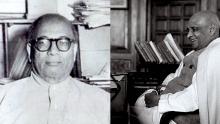
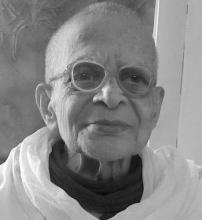
Mahāmahopādhyāya Vidvān N. Ranganatha Sharma (1916-2014), who lived amongst us until recently was known for his thoroughness in traditional knowledge and clarity in understanding of śāstras. He made tremendous contribution in passing on knowledge and awakening of values in the society. Our country has only had a handful of men who paid back the ṛṣi-ṛṇa [1]that was upon them – they paid back in large quantities and great quality – and among them, Ranganatha Sharma stands supreme.

A Request

There is one more episode worth narrating.

During 1938–39, he wrote a letter to me. It read as follows – “I have attached a letter of a person with this letter. It appears that he is facing great difficulties. Meet Dewan Mirza Ismail tomorrow and request him to help this person on behalf of both of us; obtain Mirza’s assurance and send me a written reply.”

ಬೌದ್ಧಸಂನ್ಯಾಸಿಯಾದ ಅಶ್ವಘೋಷನು ಸ್ವಮತಪ್ರಚಾರ ಮತ್ತು ತತ್ತ್ವೋಜ್ಜೀವನಕ್ಕಾಗಿ ಕಾವ್ಯದ ಮಾಧ್ಯಮವನ್ನು ಬಳಸಿಕೊಂಡಿರುವುದು ಅವನ ಮಾತುಗಳಿಂದಲೇ ಸ್ಪಷ್ಟವಾಗಿದೆ. ವಿಶೇಷತಃ ಕಹಿಯಾದ ಔಷಧವನ್ನು ಸಿಹಿಯಾದ ಜೇನಿನ ಅನುಪಾನದಿಂದ ಉಣಿಸುವ ದೃಷ್ಟಾಂತ ಮುಂದಿನ ಎಷ್ಟೋ ಆಲಂಕಾರಿಕರಿಗೆ ಅಚ್ಚುಕಟ್ಟಾಗಿ ಒದಗಿಬಂದಿತು.[1]

ಮಹಾಭಾರತದ ಮತ್ತೊಂದು ಸ್ವಾರಸ್ಯವೆಂದರೆ ಅದರ ಕಥೆಯ ಉದ್ದಕ್ಕೂ ನಿರ್ಣಾಯಕಘಟ್ಟಗಳಲ್ಲಿ ಕೃತಿಕಾರರಾದ ವ್ಯಾಸರು ಬಂದುಹೋಗುತ್ತಾರೆ; ಮುಖ್ಯಪಾತ್ರಗಳನ್ನೆಲ್ಲ ಉದ್ಬೋಧಿಸುತ್ತಾರೆ. ಹೀಗೆ ಕವಿಯೇ ತನ್ನ ಕೃತಿಯಲ್ಲಿ ಪಾತ್ರವಾಗಿ ಬರುವುದು ರಾಮಾಯಣದಲ್ಲಿ ಕೂಡ ಉಂಟು. ಆದರೆ ಅದು ತೀರ ವಿರಳ. ರಾಮಾಯಣದ ಮೊದಲಿಗೆ ಪೀಠಿಕಾಸರ್ಗದಲ್ಲಿ ವಾಲ್ಮೀಕಿಮುನಿಗಳು ಪ್ರವೇಶಿಸಿದ ಬಳಿಕ ಮತ್ತೆ ಕಾಣಿಸಿಕೊಳ್ಳುವುದು ಉತ್ತರಕಾಂಡದಲ್ಲಿಯೇ.[1] ಇಲ್ಲವರು ಸೀತಾರಾಮರ ಜೀವನದಲ್ಲಿ ಪ್ರಮುಖಪಾತ್ರವನ್ನೇ ವಹಿಸುವರಾದರೂ ಅಷ್ಟು ಹೊತ್ತಿಗೆ ಆ ಪಾತ್ರಗಳ ಸಕ್ರಿಯಜೀವನ ಮುಗಿಯುವ ಹಂತಕ್ಕೆ ಬಂದಿರುತ್ತದೆ. ಆದರೆ ವ್ಯಾಸರ ಪಾತ್ರ ಹೀಗಲ್ಲ. ಮಹಾಭಾರತದ ಕೇಂದ್ರಪಾತ್ರಗಳಾದ ಕೌರವ-ಪಾಂಡವರ ತಂದೆಯರೇ ವ್ಯಾಸರ ಸಂತಾನ.

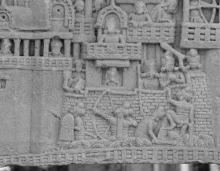
War sculpture

Vatsarāja called Yaugandharāyaṇa in secret and said, “My friend! Thanks to your political acumen all kings have been defeated. I don’t think anyone will betray me. But I still have my doubts about Brahmadatta!” He replied, “O king! I know Brahmadatta won’t betray you for sure; if he does it would be his death!” Saying so he narrated the following story —