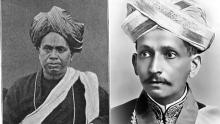

It’s the irony of fate that on the exact day India achieved political independence—15th August 1947—Sitarama Shastri lost sight in his good eye and therefore became completely blind. Those days, there was an attempt to bring Daulat on screen, and in relation to that he had been travelling to many places. Noticing that his sight was becoming blurred he asked the then famous eye specialist Dr. B K Narayana Rao for a different pair of spectacles.
Author:gsr

Manana
There is an element of truth that escapes words and can be discerned only through inner experience. That is the secret. Contemplation via considered reflection is the only way to unravel the secret of Brahman. If the study has to be beneficial, it must follow the path of reflection.

ಈ ಎಲ್ಲ ಅಂಶಗಳಿಗಿಂತ ಮಿಗಿಲಾಗಿ ವೇದವ್ಯಾಸರು ಮಹಾಕವಿಗಿರಬೇಕಾದ ಒಂದು ಮಹಾಲಕ್ಷಣವನ್ನು ತಮ್ಮ ಕಾವ್ಯದ ಪರಿಣಾಮವೆಂಬಂತೆ ಹೀಗೆ ರೂಪಿಸಿದ್ದಾರೆ:
ಇತಿಹಾಸಪ್ರದೀಪೇನ ಮೋಹಾವರಣಘಾತಿನಾ |
ಲೋಕಗರ್ಭಗೃಹಂ ಕೃತ್ಸ್ನಂ ಯಥಾವತ್ ಸಂಪ್ರಕಾಶಿತಮ್ ||
(ಮಹಾಭಾರತದ ಕುಂಭಕೋಣಂ ಆವೃತ್ತಿ, ೧.೯೬.೧೦೩)
ಮಹಾಭಾರತವು ಮೋಹವೆಂಬ ಕತ್ತಲೆಯನ್ನು ಕಳೆಯುವ ಇತಿಹಾಸಪ್ರದೀಪ.[1] ಇದರ ಮೂಲಕ ಲೋಕದ ಅಂತರಂಗವೆಲ್ಲ ಬೆಳಗಿ ಅಲ್ಲಿ ಇದ್ದದ್ದೆಲ್ಲ ಇರುವ ಹಾಗೆಯೇ ಸ್ಪಷ್ಟವಾಗಿ ತೋರುತ್ತದೆ.
Enthusiasm in Public Service
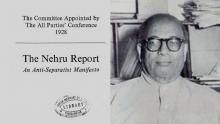
I have already mentioned that Venkatarama Shastri belonged to the tradition of Shivaswami Iyer. Both of them followed the same path in politics. It was a gentle path—the path of negotiation and persuasion—and neither revolutionary nor extreme. Both of them had a resolve to express their own views regarding any questions that arose in public matters. But the severity of that resolve was more pronounced in Venkatarama Shastri.
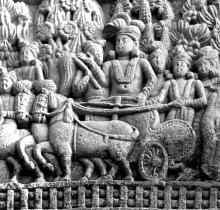
Yaugandharāyaṇa then spoke to Vatsarāja. He said ‘O king, the divine is on your side and you have immense strength too. We are experts in the art of governance. Therefore, set out on your digvijaya – conquering expedition at the earliest.’ Listening to his Prime Minister’s suggestion, the king of Vasta said – ‘Let this wait for a moment. There can be several impediments for auspicious activities. Therefore, I will first worship Śiva. Is it even possible to fulfil our dreams without the blessings of Śiva?
A Worshipper of Sweetness
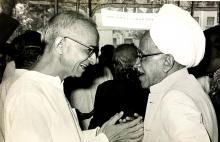
V Si. had great respect for life. He wanted to find grace in life and in literature. He picked out graceful and sweet elements from works of art and it was this quality that shaped his life too. In V Si.’s view, a work that lacked direct connection with life was not a literary work at all.
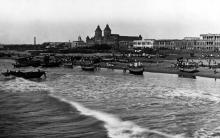
T R Venkatarama Shastri can be called a disciple of Shivaswami Iyer. Sir S Varadachari, who retired after serving as a Federal Court judge and Venkatarama Shastri both practiced law in Shivaswami Iyer’s office and were assistants to him.
It is worth sharing how Venkatarama Shastri was appointed as an intern under Shivaswami Iyer.
ಎಷ್ಟೋ ಬಾರಿ ನರಕವಿಗಳೂ ವರಕವಿಗಳೂ ತಮ್ಮ ಕಾವ್ಯಗಳ ಮಟ್ಟಿಗೆ ಮೌಲ್ಯನಿಷ್ಠರಾಗಿರುವರಲ್ಲದೆ ಅವುಗಳ ಆಚೆಗೆ ಸಾಮಾನ್ಯಮಾನವರಂತೆಯೇ ಮೌಲ್ಯವಿಕ್ಷೋಭೆಗಳೊಳಗೇ ಒದ್ದಾಡುತ್ತಿರುತ್ತಾರೆ. ಋಷಿಕವಿಗಳು ಮಾತ್ರ ತಮ್ಮ ಕೃತಿಯಿಂದಾಚೆಗೂ ಮೌಲ್ಯಬದ್ಧರಾಗಿರುತ್ತಾರೆ. ಈ ಕಾರಣದಿಂದಲೇ ಅವರ ಭಣಿತಿ ಮಾತ್ರವಲ್ಲದೆ ಬದುಕೂ ಕಾವ್ಯವೆನಿಸುತ್ತದೆ. ಇಂಥ ಒಂದು ಮಹತ್ತ್ವದ ಸಂಗತಿಯನ್ನು ಉತ್ತರಕಾಂಡದ ಕಡೆಯಲ್ಲಿ ಕಾಣಬಹುದು. ಪರಿತ್ಯಕ್ತಳಾದ ಸೀತೆಯನ್ನು ಮತ್ತೆ ರಾಮನು ಸ್ವೀಕರಿಸುವಂತೆ ಮಾಡುವಲ್ಲಿ ಆಸ್ಥೆಯುಳ್ಳ ವಾಲ್ಮೀಕಿಮುನಿಗಳು ಸೀತೆಯ ಚಾರಿತ್ರ್ಯಶುದ್ಧಿಯನ್ನು ಶಪಥಪೂರ್ವಕವಾಗಿ ಸಾರುತ್ತಾರೆ. ಆ ಸರ್ಗಕ್ಕೆ “ವಾಲ್ಮೀಕಿಪ್ರತ್ಯಯದಾನ”ವೆಂದೇ ಹೆಸರು (೭.೯೬).