ವಿವಿಧಘನಾಲಂಕಾರಂ ವಿಚಿತ್ರವರ್ಣಾವಲೀಮಯಸ್ಫುರಣಮ್ |
ಶಕ್ರಾಯುಧಮಿವ ವಕ್ರಂ ವಲ್ಮೀಕಭುವಂ ಕವಿಂ ನೌಮಿ ||
(ಆರ್ಯಾಸಪ್ತಶತೀ, ೧.೩೦)
೧
ವಿವಿಧಘನಾಲಂಕಾರಂ ವಿಚಿತ್ರವರ್ಣಾವಲೀಮಯಸ್ಫುರಣಮ್ |
ಶಕ್ರಾಯುಧಮಿವ ವಕ್ರಂ ವಲ್ಮೀಕಭುವಂ ಕವಿಂ ನೌಮಿ ||
(ಆರ್ಯಾಸಪ್ತಶತೀ, ೧.೩೦)
೧
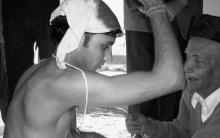
Most of our ancient thinkers were of the opinion that only the male members of the brāhmaṇa, kṣatriya, and vaiśya varṇas were eligible to study the Vedas.[1] And since the upanayana saṃskāra was primarily meant as an entry to the study of the Vedas, it was not applicable to women of all varṇas and to śūdras.[2]
The following sections describe how Padma Subrahmanyam’s art presentations and research suggest the inclusive nature of sanātana-dharma and all regional variations as an integral part of the classical mārga tradition.
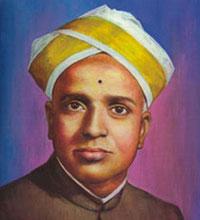
Among the Sanskrit Vidwans whose patronage I sought, it was Sri Motaganahalli Sankara Sastri who showered me with love and affection. There was no other Vidwan with whom I enjoyed the kind of liberty that I enjoyed with him. From the beginning he regarded me as one of his own and displayed great warmth. I had developed immense respect towards him much before I even went to him in person. The reasons were twofold:
The moment I think of R Narasimhacharya, C Vasudevaiah’s name floats up to the surface of my memories. Both of them would come together to social events. They usually sat next to each other. There was an abundance of affection and respect between them. Their professions were quite dissimilar. Vasudevaiah had retired as the office manager of the Department of Educational Outreach. Even in their scholarship of śāstras such as grammar, they differed. Yet it never seemed like Narasimhacharya remembered any of these differences; not even for a split second.
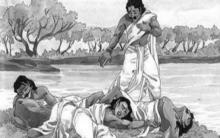
In the kingdom of Madra, there lived a king named Aśvapati who always abided by dharma and truth and was loved by everyone. He did not have any children even though he grew old. With a desire to obtain offspring, he undertook many rigorous vows and vratas. He would lead a life of self-restraint, eating little, and performing ten thousand homas daily in praise of goddess Sāvitrī. After eighteen years of strictly adhering to this ritual, one day he had a vision of goddess Sāvitrī, who appeared before him, pleased with his devotion.
ಗೀತರಚನೆಯ ಪಾಟವ
ನವೋದಯದ ಕವಿಗಳ ಪೈಕಿ ಡಿ.ವಿ.ಜಿ.ಯವರಂತೆ ಲಕ್ಷಣಶುದ್ಧವಾದ ಗೀತಗಳನ್ನು ರಚಿಸಿದವರು ಹಲವರಿಲ್ಲ. ಅವರ ಗೀತಗಳಲ್ಲಿ ರಾಗ-ತಾಳಗಳ ಸುಂದರಾನ್ವಯಕ್ಕೆ ವಿಪುಲಾವಕಾಶವಿದೆ. ಜೊತೆಗೆ ಆದಿಪ್ರಾಸ, ಅನುಪ್ರಾಸ ಮತ್ತು ಅಂತ್ಯಪ್ರಾಸಗಳ ಅಂದವೂ ಸಮೃದ್ಧವಾಗಿದೆ. ಇಷ್ಟೇ ಅಲ್ಲದೆ ಅವರು ವಡಿ, ವರಣ, ಅತೀತ, ಅನಾಗತ, ಪದಗರ್ಭ, ಗಣಪರಿವೃತ್ತಿ ಮುಂತಾದ ಗೇಯಶಿಲ್ಪದ ತಾಂತ್ರಿಕಸೂಕ್ಷ್ಮತೆಗಳನ್ನು ಸೊಗಸಾಗಿ ಬಳಸಿಕೊಂಡಿದ್ದಾರೆ. ಮುಖ್ಯವಾಗಿ ಪಲ್ಲವಿ-ಅನುಪಲ್ಲವಿ-ಚರಣಗಳ ಸಾಂಪ್ರದಾಯಿಕ ಚೌಕಟ್ಟಿನೊಳಗೆ ಗತಿಭೇದಗಳ ಹಾಗೂ ಕಾಲಭೇದಗಳ ಲಯವಿಲಾಸಗಳನ್ನು ಸಾಧಿಸಿರುವುದು ಡಿ.ವಿ.ಜಿ.ಯವರ ಭಾಷೆ-ಬಂಧಗಳ ಸೌಂದರ್ಯಕ್ಕೆ ಒಳ್ಳೆಯ ನಿದರ್ಶನ.
It was in the Sūtra period that the upanayana saṃskāra seems to have been fully established.[1] Most of the details of the ceremony are laid out in the gṛhya-sūtras. The Dharma-sūtras and Smṛtis have nothing new to say about the ritualistic aspects apart from what has already been said earlier; they primarily develop the social side of the saṃskāra. It was also perhaps during this period that the Upanayana became compulsory for men from the first three varṇas.
The current paper attempts to explore the contributions of Dr. Padma Subrahmanyam, an artist and scholar, in the context of the Dravidian movement and her artistic rebuttal of the same.