ಈಗ ಕಾಂಡಾನುಸಾರವಾಗಿ ಪರಿಶೀಲಿಸೋಣ:
ಬಾಲಕಾಂಡದಲ್ಲಿ ಮನಮುಟ್ಟುವ ಉಪಮೆಗಳೇ ವಿರಳ. ಅಷ್ಟೇಕೆ, ಉಳಿದ ಅಲಂಕಾರಗಳೂ ಕಡಮೆ. ಆದರೂ ಪ್ರಾತಿನಿಧಿಕವಾಗಿ ಅತ್ಯುತ್ತಮವೆನ್ನಬಹುದಾದ ಒಂದು ಉದಾಹರಣೆಯನ್ನು ಕಾಣಬಹುದು:
ಅಕರ್ದಮಮಿದಂ ತೀರ್ಥಂ ಭರದ್ವಾಜ ನಿಶಾಮಯ |
ರಮಣೀಯಂ ಪ್ರಸನ್ನಾಂಬು ಸನ್ಮನುಷ್ಯಮನೋ ಯಥಾ || (೧.೨.೫)


ಈಗ ಕಾಂಡಾನುಸಾರವಾಗಿ ಪರಿಶೀಲಿಸೋಣ:
ಬಾಲಕಾಂಡದಲ್ಲಿ ಮನಮುಟ್ಟುವ ಉಪಮೆಗಳೇ ವಿರಳ. ಅಷ್ಟೇಕೆ, ಉಳಿದ ಅಲಂಕಾರಗಳೂ ಕಡಮೆ. ಆದರೂ ಪ್ರಾತಿನಿಧಿಕವಾಗಿ ಅತ್ಯುತ್ತಮವೆನ್ನಬಹುದಾದ ಒಂದು ಉದಾಹರಣೆಯನ್ನು ಕಾಣಬಹುದು:
ಅಕರ್ದಮಮಿದಂ ತೀರ್ಥಂ ಭರದ್ವಾಜ ನಿಶಾಮಯ |
ರಮಣೀಯಂ ಪ್ರಸನ್ನಾಂಬು ಸನ್ಮನುಷ್ಯಮನೋ ಯಥಾ || (೧.೨.೫)
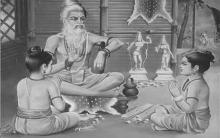
There are several varying rules and prescriptions about the age of the boy who is to undergo the upanayana (the boy is referred to as the ‘vaṭu’). What is interesting to note is that the age was counted from conception.[2] From the earliest times we see in ancient India the notion that the age of a child must be counted.
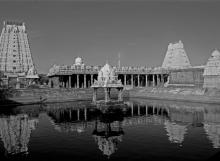
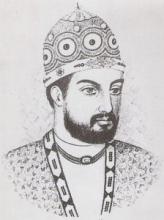
Ala-ud-din Khalji raided Chittorgarh and took its king Raja Ratan Singh as his prisoner. Rani Padmini was the wife of this same Raja Ratan Singh. Khalji pretended to befriend Ratan Singh, took his hospitality, and while exiting from Chittorgarh, took him prisoner by stealth and deceit. He sent this shameless message to Rani Padmini: “If you want to see your husband free, you must submit yourself to me.” Unfazed, Rani Padmini assembled five hundred palanquins with five hundred female helpers and a force of three thousand soldiers, went out and rescued Ratan Singh.

Ayurveda, being a medical science, does not consider cosmology as one of its central preoccupations. Vagbhata’s Ashtanga-Hrdayam, which contains the definitive summary of classical Ayurveda, makes not even a passing reference to cosmological theories.
Elaborate references to these theories, based mostly upon the Sankhya system, may however be found in the texts of Charaka and Sushruta. These theories owe their presence in these texts to two major reasons:
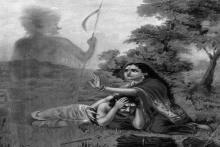
The couple gathered fruits and put them together in a bundle. As Satyavān was working on the logs, his body began sweating all over. He had a tremendous headache. He immediately stopped his work, went to Sāvitrī, and said, “Sāvitrī! My limbs, head, and the entire body is aching. There is some pain in my chest too. I feels like a spear has pierced my head. I don’t seem to be keeping well. I'm not able to stand on my feet and feel like lying down.” Sāvitrī rested his head on her lap and let him spread out on the ground. She recalled Nārada’s words.
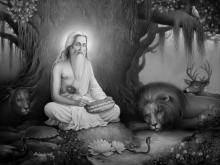
ವಿವಿಧಘನಾಲಂಕಾರಂ ವಿಚಿತ್ರವರ್ಣಾವಲೀಮಯಸ್ಫುರಣಮ್ |
ಶಕ್ರಾಯುಧಮಿವ ವಕ್ರಂ ವಲ್ಮೀಕಭುವಂ ಕವಿಂ ನೌಮಿ ||
(ಆರ್ಯಾಸಪ್ತಶತೀ, ೧.೩೦)
೧
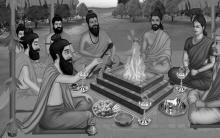
Most of our ancient thinkers were of the opinion that only the male members of the brāhmaṇa, kṣatriya, and vaiśya varṇas were eligible to study the Vedas.[1] And since the upanayana saṃskāra was primarily meant as an entry to the study of the Vedas, it was not applicable to women of all varṇas and to śūdras.[2]
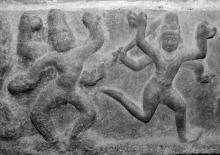
The following sections describe how Padma Subrahmanyam’s art presentations and research suggest the inclusive nature of sanātana-dharma and all regional variations as an integral part of the classical mārga tradition.