
Subramania Bharathi was born on 11th December 1882 in Ettayapuram Jameen to Sri. Chinnasami Iyer and Smt. Lakshmi Ammal. His birth name was Subramanian. When he was eleven years old, impressed by his poetic prowess, scholars in Ettayapuram awarded him the title ‘Bharathi.’
Author:Sripriya Srinivasan

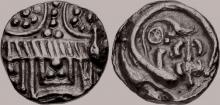
Pre-eminent among the kings of Karnataka is the Kalyani Chalukya emperor, Vikramaditya VI. He was the son of Someshwara I. Fortunately, he had the poet Vidyapati Bilhana in his court and so his achievements have become immortal.
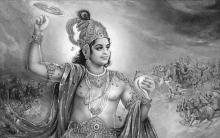
தனி மனிதனாக நம்மால் நேர்மையாக நிமிர்ந்து நிற்க முடியும். ஆனால் சமூக வாழ்க்கைக்கு இது சாத்தியப்படாது. தீய சக்திகளை வெற்றிகொள்ள பற்பல உத்திகளைக் கையாள வேண்டும். நம்மால் கிருஷ்ணனிடத்தில் தொலைநோக்கும், புத்திசாலித்தனமும் மிளிர்வதைப் பல இடங்களில் காணமுடிகிறது. பாண்டவர்களிடத்தே நட்புபாராட்டுவதற்கு முன்பே, மாற்றத்திற்கான விதையை விதைத்துவிட்டான்.
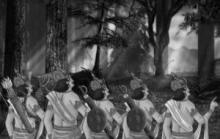
Draupadī said, “I am not denigrating dharma nor am I criticizing the Supreme; I'm just lamenting about my difficulties. The fruit of the action manifests itself only through karma, not through dharma; a man who falls asleep, entirely dependent on fate gets destroyed like a green pot kept in water. A capable man should not sit idle and silent for a long time, like one who is helpless. If one lacks competence, the fruits of his actions might be limited or he may not get anything; but one who doesn’t engage himself in action neither gets competence nor the fruits.
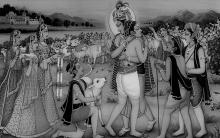
ಭಗವಂತನು ಮಾನವನ ಸೃಷ್ಟಿಯೋ ಮಾನವನು ಭಗವಂತನ ಸೃಷ್ಟಿಯೋ ಎಂಬ ಚರ್ಚೆ ಚಿರಂತನ. ಆದರೆ, ಇವರಿಬ್ಬರ ನಡುವಣ ಸಂಬಂಧ ಮಾತ್ರ ಇಂಥ ಎಲ್ಲ ಚರ್ಚೆಗಳನ್ನು ಮೀರಿದ ಮಧುರಾನುಭೂತಿ. ಒಂದೊಂದು ಮತದಲ್ಲಿ ಒಂದೊಂದು ಬಗೆಯಾಗಿ ಈ ಸಂಬಂಧವು ಬೆಳೆದಿದೆ. ಆದರೆ ಸನಾತನಧರ್ಮದಲ್ಲಿ ಮಾತ್ರ ಇದು ನಿರುಪಮವಾಗಿ ವಿಸ್ತರಿಸಿಕೊಂಡಿದೆ.

My first Sanskrit Guru was Sri Kashi Raghavendracharya. Although there were numerous Sanskrit Vidwans in Mulabagal, there was no formal Sanskrit Patashala (School). The three or four schools in town didn’t have any facility to teach Sanskrit. My father had immense enthusiasm and reverence towards Sanskrit. He made repeated applications to the Government requesting it to introduce Sanskrit classes in my school, the Ango-vernacular Middle School.
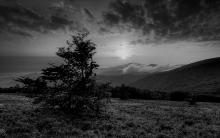
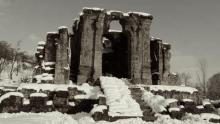
Kalhana in his Rajatarangini (11th Century CE) has written about Chandrapida, the ruler hailing from the Karkota dynasty. He was renowned for delivering justice as well as for his extraordinary valour.
It was night-time. Sometime during 1914-15. Venkatanaranappa visited my house and said, “I had been to Mysore the day before yesterday to attend the senate meeting. Mirza saheb[1] was there. He is a senate member and an old disciple of mine. He was seated next to me and he asked me, ‘Sir, do you know the editor of The Karnataka[2]?’ I replied, ‘Yes, I know him well. His father and I are good friends.’ Encouraged, Mirza saheb continued, “He writes well. His English is great. I’d love to meet him.
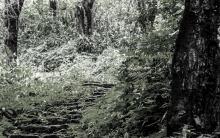
Kirmīra was an asura endowed with magical powers who inhabited the Kāmyaka forest. He was a brother of Bakāsura and a friend of Hiḍimba; Bhīma killed him. When Vidura visited the Pāṇḍavas in the forest, Kirmīra’s fallen body was still lying there. Having seen this and heard all the details about the episode, Vidura told Dhṛtarāṣṭra later on, after he returned to Hastinagara.