
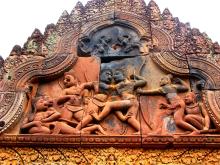
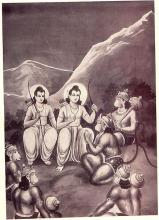
Sugrīva was immensely pleased with Rāma’s promise but he wanted to make him understand Vālī’s prowess. He said, “Even before the Sun rises, Vālī traverses from the western to the eastern ocean and from the southern to the northern, without even the semblance of fatigue. He scales mountains, tosses their peaks up in the air, and catches them again. He enters the forest, shattering all kinds of mighty trees. In the past, there lived a powerful asura in the form of a buffalo. He was called Dundubhi and possessed the might of a thousand elephants.
Author:hari
A gṛhastha performs karmas out of desire — for the wellbeing of his wife and children and for the sake of his friends and relatives. Worldly life becomes possible only if householders have those desires. His dharma is to take care of his family. Therefore, he performs certain karmas to support his dharma. If he thinks that he is performing all the karmas as it’s dharma and not for his own pleasure and satiation, it is as good as tyāga. This feeling should be within him.
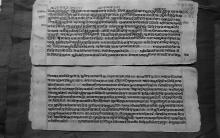
ನಮ್ಮ ದೇಶದಲ್ಲಿ ಹಿಂದೆ ವಿದ್ಯಾಭ್ಯಾಸಪದ್ಧತಿ ಹೇಗಿತ್ತೆಂಬ ವಿಚಾರ ಕುತೂಹಲಕರವಾಗಿದೆ. ಈ ವಿಷಯವನ್ನು ನೇರವಾಗಿ ವಿವರಿಸುವ ಗ್ರಂಥಗಳು ನಮ್ಮಲ್ಲಿ ಇಲ್ಲ. ನಾಲಂದ, ತಕ್ಷಶಿಲೆ, ವಿಕ್ರಮಶಿಲೆ, ವಲಭಿ ಮೊದಲಾದ ಕೆಲವು ಸ್ಥಳಗಳಲ್ಲಿ ಸುಪ್ರಸಿದ್ಧವಾದ ವಿದ್ಯಾಶಾಲೆಗಳಿದ್ದವೆಂದೂ ಅವು ಈಗಿನ ವಿಶ್ವವಿದ್ಯಾಲಯಗಳಂತೆ ವಿಭಿನ್ನ ಶಾಸ್ತ್ರಗಳ ಪ್ರೌಢ ಅಧ್ಯಾಪನವನ್ನು ನಡೆಸುತ್ತಿದ್ದವೆಂದೂ ತಿಳಿದುಬರುತ್ತದೆ. ಆದರೆ ಅಲ್ಲಿಯ ವಿದ್ಯಾರ್ಥಿಗಳು ಯಾವ ಕ್ರಮದಿಂದ ವಿದ್ಯೆಯನ್ನು ಕಲಿಯುತ್ತಿದ್ದರು, ಶಿಕ್ಷಣವಿಧಾನ ಹೇಗೆ, ಪಠ್ಯಪುಸ್ತಕಗಳ ವ್ಯವಸ್ಥೆ ಹೇಗಿತ್ತು, ಗುರುಶಿಷ್ಯರ ಸಂಬಂಧ ಯಾವ ಬಗೆಯದು - ಇತ್ಯಾದಿ ವಿವರ ಸರಿಯಾಗಿ ದೊರೆಯುವುದಿಲ್ಲ. ಇದಕ್ಕೆ ಸಂಬಂಧಿಸಿದ ಅಂಶಗಳನ್ನು ನಾವು ವಿಭಿನ್ನ ಮೂಲಗಳಿಂದ ಸಂಗ್ರಹಿಸಬೇಕಾಗಿದೆ. ಕೆಲವನ್ನು ಊಹಿಸಬೇಕಾಗಿದೆ.
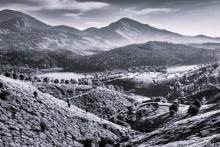
Rāma arrived at Lake Pampā that was full of lotus and lilies and was teeming with fish. The mere sight of the lake sent a joyous tremble through his body. But the next moment, he had an intense longing for love and said to Saumitri, “Look at Lake Pampā and the delightful woods around. The trees look like tall mountains with lofty crusts. But I still grieve over Bharata’s sorrow and the abduction of Vaidehī. This grassland, deep green and yellow, is carpeted with colourful flowers of different trees and captivates the eyes.
Note
sapta-daśādhyāya-gaḻoḻ
Vistarisida dharma-tattva-gaḻan-īgaḻ saṃ- ।
kṣiptadi peḻvaṃ guru tan-
nāpta-sakha-vyāja-diṃde loka-hitārthaṃ ॥ 1 ॥
For the benefit of the world,
on the pretext of his friend
The Guru now briefly
Explains the principles of dharma
That he described in chapters seventeen.
karma-sumārcana-vidhiyaṃ
ḍharmada nija-para-hitārtha-saṃskāragaḻaṃ ॥
nirmaman-adhidharmateyaṃ ।
Māgha
In the second canto of Śiśupālavadha, the poet Māgha uses ideas from various sciences to support his arguments on polity. It is appropriate that he has included literary aesthetics as well. A few observations in this section are worth noting:
बह्वपि स्वेच्छया कामं प्रकीर्णमभिधीयते।
अनुज्झितार्थसम्बन्धः प्रबन्धो दुरुदाहरः॥(2.73)
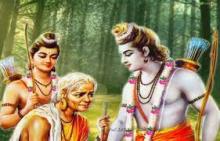
Though Rāghava was the elder of the two, he immediately accepted the advice of Lakṣmaṇa, recognising the essential truth the latter had spoken. Accordingly, the brothers went ahead searching for Sītā in all possible places. They spotted the illustrious Jaṭāyu, as huge as a mountain peak, drenched in blood. Immediately, Rāma told Lakṣmaṇa, “Sītā has been undoubtedly devoured by this creature. This is certainly a rākṣasa, who roams around in the forest in the form of a vulture. Look at him! He lies there comfortably, having killed my beloved.
Jānaśruti (Chāndogya)
Once there lived a noble king called Jānaśruti. His practices were rooted in dharma and always involved in dāna. He had arranged daily santarpaṇa in his palace. He also had built chatras all over his kingdom. His fame knew no bounds. He had all the merit required to attain the brahmajñāna. Only thing lacking was a good guru.
Let us now reflect a little upon its meaning.
1.Om
tasmādomityudāhṛtya yajñadānatapaḥkriyāḥ |
pravartante vidhānoktāḥ satatam brahmavādinām ||BG 17.24
"The votaries of Brahma perform yajña, dāna and tapas after uttering Om".