Author:hari

Introduction

parākṛtanamadbandhaṃ paraṃbrahma narākṛti |
saundaryasārasarvasvaṃ vande nandātmajaṃ mahaḥ ||

I bow to that Supreme Brahma in human form that dispels the bondage of those who bow to it, to the essence of all beauty, to that effulgence that is the joy of Nanda.

- Śrī Madhusūdana Sarasvatī
ಕಾವ್ಯ

“ಕವಿಯ ರಸಾನುಭವದ ಅನುಭಾವವೇ ಕಾವ್ಯ”[1] - ಇದು ಪುಟ್ಟಪ್ಪನವರ ಕಾವ್ಯಲಕ್ಷಣ. ಅನುಭಾವಕ್ಕೆ ‘ಪ್ರದರ್ಶನ’ವೆಂದು ಅರ್ಥ ಮಾಡುವ ಅವರು ಕಾವ್ಯಕ್ರಿಯೆಯ ಕೇಂದ್ರದಲ್ಲಿ ರಸವನ್ನಿರಿಸಿರುವುದು ಸಮುಚಿತವಾಗಿದೆ.

ಕಾವ್ಯವಿರುವುದು ಹೃದಯದಾರಿದ್ರ್ಯವನ್ನು ಪರಿಹರಿಸಲು ಎಂದು ಕುವೆಂಪು ಪ್ರತಿಪಾದಿಸುತ್ತಾರೆ:

“ಲೋಕದಲಿ ದುಃಖವಿರೆ

ಆ ದುಃಖದೊಳಗರ್ಧ ಹೃದಯದಾರಿದ್ರ್ಯದಿಂ

ಬಂದಿಹುದು! ಆ ಹೀನ ದೀನ ದಾರಿದ್ರ್ಯಮಂ

ಪರಿಹರಿಸಿ ‘ದರ್ಶನ’ವ ದಯೆಗೈಯೆ ಕಲೆಯಿಹುದು.”[2]

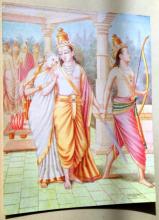
Raama-Kausalyaa-Lakshmana-Seetaa

As he entered his residence, he saw Queen Kausalyā, who was clad in white silk and had spent the night observing a vow. She had performed pūjā to Bhagavān Viṣṇu early in the morning and was performing a homa in Agni. Seeing her beloved son, Kausalyā rushed to him out of joy, just as a mare runs to her foal. Rāma, out of his modest nature and respect, told her with his hands joined, “Terrible sorrow awaits you, Sītā, and Lakṣmaṇa. I shall live in the uninhabited forest for fourteen years subsisting on honey, roots, and fruits like a muni.

193. Mallagrāma-nyāya

A village where wrestling is the main vocation is called mallagrāma. Malla means wrestler. Since the majority of the population consists of wrestlers the name of the village makes sense. People who aren’t wrestlers too might reside in the village. Just like in the mango grove. The grove might contain other trees. But the majority is what decides the name i.e. prādhānyena nirdeśaḥ.

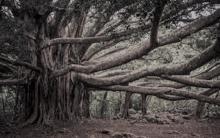
Nature

A relevant matter here needs discussion. Bhagavān says that the three guṇas have to be transcended or sublimated. Good. But even to transcend those guṇas, a guṇa or means is needed. Is that way a guṇa? What guṇa is that?

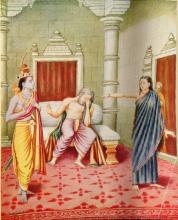
Raama-Dasharatha-Kaikeyi

Daśaratha, having ordered the anointing of Rāma, entered his home to convey the happy news to his queen. To his utter dismay, he saw Kaikeyī, dearer to him than his own life, lying on the bare floor. Just like a tusker fondling his female who has been struck down by an arrow in the forest, the old man caressed her with his hands. The lovelorn king said, “I do not understand why you are angry with me – has anyone displeased you? Don’t weep, my dear! Would you like someone to be punished, although he is not guilty of crime? Do you wish to let a criminal free?

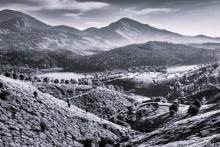
Nature

185. Bhṛṅgakīṭa-nyāya

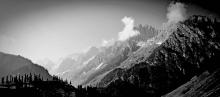
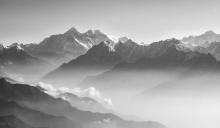
Himalaya

What is a guṇa? A certain innate characteristic or natural power of a thing that causes affinity or otherwise with another thing is its guṇa. Thus the guṇa is an intrinsic power of a thing that attracts or repels another.