Author:shashikiran

ಮಹಾಕವಿ ಭವಭೂತಿಯ ‘ಉತ್ತರರಾಮಚರಿತ’ ನಾಟಕವು ತನ್ನ ಘನತೆ-ಮಹೋನ್ನತಿಗಳಿಂದ ಅನನ್ಯವೆನಿಸಿದೆ. ಸೀತಾ-ರಾಮರ ಅಮೃತದಾಂಪತ್ಯವನ್ನು ಇದು ಕಂಡರಿಸಿರುವ ಪರಿ ಇಡಿಯ ರಾಮಾಯಣಸಾಹಿತ್ಯದಲ್ಲಿಯೇ ಮಿಗಿಲೆನಿಸಿದೆ. ಪ್ರೀತಿ ಮತ್ತು ಕರ್ತವ್ಯಗಳ ನಡುವೆ ಸಂಘರ್ಷ ತಲೆದೋರಿದಾಗ ಸಂವೇದನಶೀಲರಾದ ವ್ಯಕ್ತಿಗಳು ಹೇಗೆ ತಳಮಳಿಸುತ್ತಾರೆ ಮತ್ತು ಅವರ ಅಂತರಂಗದ ಮೌಲ್ಯಪ್ರಕ್ಷೋಭ ಏನೆಲ್ಲ ಅವಸ್ಥೆಗಳನ್ನು ಪಡೆಯುತ್ತದೆಂಬ ಜೀವನದರ್ಶನವನ್ನು ಈ ಕೃತಿಯು ಕಂಡರಿಸುವಂತೆ ಹೆಚ್ಚಿನ ಕಾವ್ಯಗಳು ರೂಪಿಸುವುದಿಲ್ಲ. ಈ ಕಾರಣದಿಂದಲೇ ತತ್ತ್ವಶಾಸ್ತ್ರ ಮತ್ತು ಸೌಂದರ್ಯಶಾಸ್ತ್ರಗಳ ಮೂರ್ಧನ್ಯವಿದ್ವಾಂಸರಾದ ಪ್ರೊ|| ಎಂ. ಹಿರಿಯಣ್ಣನವರು ‘ಉತ್ತರರಾಮಚರಿತ’ವನ್ನು ವಿಶೇಷವಾಗಿ ಮೆಚ್ಚಿಕೊಳ್ಳುತ್ತಾರೆ.[1]

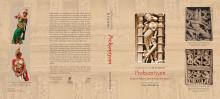
Prekṣaṇīyam is authored by Śatāvadhānī Dr. R Ganesh and translated to English with additional material by Arjun Bharadwaj. This is a book on the Essays on Indian Classical Dance and Theatre. It was my fortune that I was invited to speak on the contents of the books on the occasion of the release of its second edition, which was an improvised version of the first edition in terms of inclusion of additional essays, footnotes in more detail and also giving a section for glossary and indices.

Raama-Seeta-Lakshmana

[Starting this Rāmanavami, every Friday, Prekshaa presents a condensed prose rendering of the Vālmīki-rāmāyaṇa based on the critically constituted text. We attempt to present the best aspects of the grand epic and also capture as many poetic details as possible. As envisioned by literary stalwarts like Prof. A R Krishnasastri and Dr. D V Gundappa, we hope this English rendering of the Rāmāyaṇa serves to be an easily accessible pen-picture of the vast landscape of the epic, with all its nuances.]

Bāla-kāṇḍa

Introduction

dhyānābhyāsa-vaśīkṛtena manasā tannirguṇaṃ niṣkriyaṃ
jyotiḥ kiñcana yogino yadi paraṃ paśyanti paśyantu te ।
asmākaṃ tu tadeva locana-camatkārāya bhūyāc-ciraṃ
kālindī-pulinodare kimapi yan-nīlaṃ maho dhāvati ॥

dhyānāhbyāsadè tattvamaṃ hṛdayadoḻ tāṃ-ā nirākāramaṃ
kāṇalk-appoḍè kāṇge yogivarar-āṃ sāmānyar-èmmakṣig-ā ।
veṇu-svāna-sudhā-prasādi yamunā-kuñjodara-āmodi me-
ghānīla-dyuti nāṭyavāḍuge sadā nāṃ dhanyar-ā līleyiṃ ॥

Nature

88. Caurāparādhānmāṇḍavyanigraha-nyāya

BhagavadGeeta-2

Śrī Kṛṣna was satisfied with this entreaty; Arjuna had been put on the path; his internal transformation was complete. Bhagavān felt certain that Arjuna was ready to perform the requisite deeds. 

mā te vyathā mā ca vimūḍha-bhāvo
dṛṣṭvā rūpaṃ ghoram īdṛṃ mamedam |
vyapeta-bhīḥ prīta-manāḥ punas tvaṃ
tad eva me rūpam idaṃ prapaśya ||

BG 11.49

ಆದಿಪ್ರಾಸದ ನಿರ್ಬಂಧ ಇಲ್ಲವಾದ ಬಳಿಕ ಮತ್ತೆ ಕನ್ನಡಕ್ಕೆ ಶ್ಲೋಕ ಬರಬಹುದಿತ್ತು  ಎಂಬ ಪ್ರಶ್ನೆ ಏಳಬಹುದು. ಇದಕ್ಕೂ ಕಾರಣವಿದೆ. ಆದಿಪ್ರಾಸ ಅಳಿಯುವ ಹೊತ್ತಿಗೆ ಹಳಗನ್ನಡವಿರಲಿ, ನಡುಗನ್ನಡವೂ ಅಳಿದು ಹೊಸಗನ್ನಡದ ಯುಗ ಮೊದಲಾಗಿತ್ತು. ನಾವು ಈ ಮೊದಲೇ ಕಂಡಂತೆ ಶ್ಲೋಕಕ್ಕೆ ಒಗ್ಗುವ ಭಾಷೆ ಹಳಗನ್ನಡವೇ. ಅಷ್ಟೇಕೆ, ಕಂದ-ವೃತ್ತಗಳಿಗೆಲ್ಲ ಇದೇ ಅನಿವಾರ್ಯ. ನಡುಗನ್ನಡ-ಹೊಸಗನ್ನಡಗಳಲ್ಲಿ ಈ ಎಲ್ಲ ಬಂಧಗಳು ನೀರಿಲ್ಲದ ಸರೋವರದ ಮೀನುಗಳಂತೆಯೇ ಸರಿ. ಹೀಗಾಗಿ ಶ್ಲೋಕದ ಪ್ರವೇಶಕ್ಕೆ ನವೋದಯವೂ ಒದಗಿಬರಲಿಲ್ಲ. ಮತ್ತೂ ಮುಂದಿನ ಕಾಲದಲ್ಲಿ ಛಂದಸ್ಸೇ ಬಹಿಷ್ಕೃತವಾದುದು ತಿಳಿದೇ ಇದೆ. ಪರಿಸ್ಥಿತಿ ಹೀಗಿರುವಾಗ ಶ್ಲೋಕಕ್ಕೆ ಆಸ್ಪದವೆಲ್ಲಿ?

The daśa-rūpakas and many upa-rūpakas need to be staged using mārga-karaṇas, mārga-cārīs, and mārga-sthānakas; these have to come along with nṛtta-hastas as well; aṅgahāras may be employed as necessary. Thus, mastery over the grammar of the mārga-tradition is extremely important.   Similarly, in the case of quite a few upa-rūpakas and forms of nṛtya documented in the treatises on saṅgīta-śāstra, mastery over the deśī grammar is important.

BhagavadGeeta

Here, by “divine eyes” we do not need to imagine a pair of extra-physical eyes with their own eyeballs and eyelids. It is enough to think that Bhagavān endowed the eye with the ability to behold divine effulgence. This is what we have to understand - when we pray to Īśvara for a boon, we need to ask for the requisite strength to bear and control the blessing. Our desires know no limits and make us forget what is suitable and what is not. If Bhagavān gives us what we deserve, we’re dissatisfied.