Author:gsr

Golden Swan

157. Piśācanāṃ piśācabhāṣayaivottaraṃ deyam

To make the piśācas understand, we should converse in their own language (piśācabhāṣā). They wouldn’t understand Kannada or Sanskrit! “For the wicked, punishment is the ultimate cure, there is no use in trying to pacify them” Other nyāyas like ‘yakṣānurūpo baliḥ’ or ‘śaṭhaṃ prati śāṭhyam’ also have similar import.

The object that is water, is H2O for a chemist, and ambrosia for a thirsty man. The satiating and refreshing potential imperceptible in hydrogen and oxygen was perceived by the mind of a thirsty man when they together touched his tongue.

विशेषणात्येतानि कर्तृकर्मादिकारकसापेक्षमपि विवेक्तुं शक्यन्ते। यद्यपि षट्स्वपि कारकेषु विवेचनस्य साध्यतास्ति, तथापि प्रयोगबाहुल्यात् कर्तृकर्मगतानि विशेषणानि प्रामुख्यं भजन्ते। क्वचित् करणाधिकरणगतान्यपि विशेषणानि दृश्यन्ते। सम्प्रदानापादानकारकगतानि विशेषणानि प्रायो न सन्तीत्येव वक्तव्यम्। अतः कर्तृकर्मकरणाधिकरणसम्बद्धान्येव विशेषणान्यत्र सनिदर्शनं प्रस्तूयन्ते॥

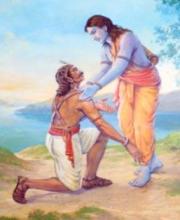
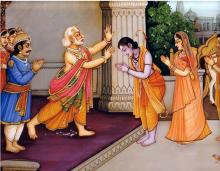
After listening to the story of the city of Viśālā, the brothers along with Sage Viśvāmitra received Sumati’s hospitality and spent the night there. The next morning, they arrived at the outskirts of the magnificent city of Mithilā. Looking at a desolated but resplendent āśrama, Rāma sought to know who it belonged to. Viśvāmitra started narrating –

147. Paṅkaprakṣālana-nyāya

Paṅka means marshy waters, prakṣālana means to cleanse. Why would one put their hands in the marsh and then cleanse it? It is better to not touch it at all.   There is a verse in Pañcatantra:-

धर्मार्थं यस्य वित्तेहा वरं तस्य निरीहता ।
प्रक्षालनाद्धि पङ्कस्य दूरादस्पर्शनं वरम् ॥

Thus, the Parabrahma is conducting the activities of the universe in three forms — prakṛti, jīva and Īśvara.

yāvatsaṃjāyate kiñcit sattvaṃ sthāvarajaṅgamam ॥
kṣetra-kṣetrajña-saṃyogāt (tad-viddhi bharatarṣabha) ॥

BG 13.27

इह जगति कालिदासस्य प्रतिष्ठा बहुविधा जागर्ति। तत्काव्यरचनाचातुरीमनुलक्ष्य तमुपमाकविं रसेश्वरं वैदर्भगिरामावासं च सहेतुकं समामनन्ति सङ्ख्यावन्तः। सकलमिदं स्वागतार्हमेव। परमत्र कटाक्षितान् गुणानतिरिच्य काचिदन्या विच्छित्तिश्चकास्ति कविकुलगुरोः काव्यनिर्मितौ, या तदीयं विशेषणवैशिष्ट्यमनुधावति॥

Nature

After Kālidāsa, Bhāravi is perhaps the only poet who steered the ship of Sanskrit narrative poetry along a new route. Successive poets merely followed his lead. Known for investing words with profound meaning, Bhāravi has given some remarkable insights into poetics in his work, Kirātārjunīyam. Unsurprisingly, these insights mainly relate to the clarity and gravitas of poetic content. Let us examine this in some detail.

Yudhiṣṭhira allays Bhīma’s excitement and appreciates his eloquence[1]:

138. Na hi svato'satī śaktiḥ kartumanyena śakyate

It is impossible to impart some power which we don’t have in the first place. Milk has the inherent capacity of turning into curds. It is evident. The sour buttermilk is the base. If the milk didn’t have that inherent capability in the first place then it would have been impossible to turn it into curds. You can’t turn water or air into curds.