
The aesthetics of group dance is compromised because choreographers fail to keep track of the changes that a solo performing art needs to undergo in the process of adapting itself to a group performance. The effort is like trying to put a square nut into a circular hole. Unless we go to the level of abstraction and examine things, no transformation can successfully take place. For example, to turn a bronze sculpture of Gaṇapati into one of Śrīkṛṣṇa, we will need to first melt the sculpture we have with us. Then we will need to recast the bronze so obtained into the image of Śrīkṛṣṇa.
Author:hari
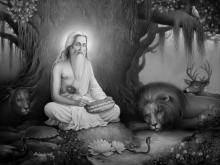
कूजन्तं राम रामेति मधुरं मधुराक्षरम् ।
आरुह्य कविता-शाखां वन्दे वाल्मीकि-कोकिलम् ॥
[Continuously singing the sweet syllables rāma, perched upon the branch - poetry, is the cuckoo - Vālmīki, we bow down to him]
ಘನಪಾಠಿಗಳು ಶಾಲೆಯ ಮುಖವನ್ನು ಕಂಡವರಲ್ಲ. ಇಂಗ್ಲಿಷನ್ನು ಕಲಿತವರಲ್ಲ. ಅವರು ಅಪ್ಪಟ ಗುರುಕುಲದ ವಿದ್ಯಾರ್ಥಿ. ಅವರ ತಾತನವರು ತಮಿಳುನಾಡಿನಲ್ಲಿ ನ್ಯಾಯಮೂರ್ತಿಗಳಾಗಿದ್ದರು. ಅವರಿಗೊಬ್ಬ ತಮ್ಮ. ಆತ ಮಾತ್ರ ವೇದ-ಶಾಸ್ತ್ರಗಳನ್ನು ಬಲ್ಲವರಾಗಿದ್ದರು; ವೈದಿಕವೃತ್ತಿಯಲ್ಲಿಯೇ ಉಳಿದಿದ್ದರು. ಅವರ ಹೆಸರು ಕೂಡ ರಾಜಗೋಪಾಲಶರ್ಮಾ ಎಂದೇ. ನ್ಯಾಯಮೂರ್ತಿಗಳಾಗಿದ್ದ ಅಣ್ಣ ಚಿಕ್ಕ ವಯಸ್ಸಿಗೇ ತೀರಿಕೊಂಡರು. ತಬ್ಬಲಿಗಳಾದ ಅವರ ಮಕ್ಕಳನ್ನು ತಮ್ಮ ರಾಜಗೋಪಾಲಶರ್ಮರೇ ಸಾಕಿ ಸಲಹಿದರು. ಅವರಿಗೆಲ್ಲ ವೇದಾಭ್ಯಾಸ ಮಾಡಿಸಿದರೂ ಲೌಕಿಕವಿದ್ಯೆಗಳಲ್ಲಿಯೇ ಮುಂದುವರಿಸಿ ಕೆಲಸ-ಬೊಗಸೆ ಕಲ್ಪಿಸಿದರು. ತಮ್ಮ ಮಕ್ಕಳಿಗೆ ಮಾತ್ರ ತಮ್ಮ ಹಾಗೆ ಅಪ್ಪಟ ವೈದಿಕವಿದ್ಯೆಗಳನ್ನು ಕಲಿಸಿ ಅದರಲ್ಲಿಯೇ ತೊಡಗಿಸಿದರು.
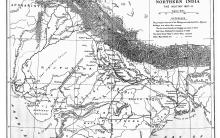
[07.04.2007ರಂದು ಗೋಖಲೆ ಸಾರ್ವಜನಿಕ ವಿಚಾರ ಸಂಸ್ಥೆಯಲ್ಲಿ 1857ರ ಸ್ವಾತಂತ್ರ್ಯ ಸಂಗ್ರಾಮದ ನೂರೈವತ್ತನೆಯ ವರ್ಷದ ಉತ್ಸವದ ಅಂಗವಾಗಿ ಖ್ಯಾತ ಇತಿಹಾಸಕಾರರಾದ ಡಾ॥ ಕೆ. ಶ್ರೀಪತಿ ಶಾಸ್ತ್ರಿಯವರ ಉಪನ್ಯಾಸ ಮಾಲಿಕೆಯನ್ನು ಏರ್ಪಡಿಸಿತ್ತು. ಅವರ ಉಪನ್ಯಾಸವನ್ನು ಶ್ರೀ. ಎಸ್. ಆರ್. ರಾಮಸ್ವಾಮಿಯವರು ಲಿಪೀಕರಿಸಿದ ಕೃತಿ ಇದಾಗಿದೆ.]

Story 24
31. The king Trivikramasena carried he corpse for the twenty-fourth time on his shoulders and left. The vetāla started narrating another story –
Integrity and Competence
Now, for the kind of State we are discussing about, these two duties are sufficient – the destruction of the wicked and the protection of the good. A facet of ‘protection of the good’ is the nourishment of wealth creation by noble means.
The phrase hita-nirata (engaged in welfare) does not involve merely uttering homilies. It means those who internally resolve to act towards universal welfare and ensure that those resolutions are acted upon externally. It is thus not necessary for a saṃnyāsin to give up activity that yields in the well-being of the world. But such activities have to be performed with an extraordinary mindset. The activity referred to here is interacting with the world – taking from the world and giving back to it.
ಪರಿಚಿತರಿಗೆಲ್ಲ ಅಡ್ಡಹೆಸರನ್ನಿಡುವುದರಲ್ಲಿ ಎಸ್. ಕೆ. ಎಮ್. ಅಗ್ರಗಣ್ಯರು. ಒಬ್ಬ ಸಂಗೀತವಿದುಷಿಯನ್ನು ‘ಎನ್. ಬಿ.’ ಎಂದು ಕರೆಯುತ್ತಿದ್ದರು. ಆಗೆಲ್ಲ ಅಬ್ರಾಹ್ಮಣರನ್ನು ಸೂಚ್ಯವಾಗಿ ಹೀಗೆ ನಿರ್ದೇಶಿಸುತ್ತಿದ್ದುದು ಲೋಕದ ವಾಡಿಕೆ. ಇದನ್ನು ಗಮನಿಸಿದ ನಾನು “ಇಲ್ಲ ಸರ್; ಅವರು ಬ್ರಾಹ್ಮಣರೇ” ಎಂದೆ. ಆಗ ಕೃಷ್ಣಮೂರ್ತಿ ನಗುತ್ತ “ನಿಮಗೆ ವಾಸ್ತವ ಹೇಳಿದರೆ ಬೇಜಾರಾಗಬಹುದು. ಆದರೆ ಸತ್ಯವೇ ಮುಖ್ಯ ಅಲ್ಲವೇ! ಇದರ ಅರ್ಥ ನಾನ್-ಬ್ರಾಹ್ಮಿನ್ ಎಂದಲ್ಲ; ‘ನಿತ್ಯಬಹಿಷ್ಠೆ’ ಅಂತ!”
ಇದನ್ನು ಕೇಳಿ ನಾನು ಮೂರ್ಚ್ಛೆ ಹೋಗುವುದೊಂದು ಬಾಕಿ.
ಹೀಗೆಯೇ ಅವರಿಗೆ ಚೆನ್ನಾಗಿ ಪರಿಚಯವಿದ್ದ ಮಾಜಿ ಸಂಗೀತವಿದುಷಿಯೊಬ್ಬರಿಗೆ ‘ಶ್ವೇತಪ್ರೇತ’ ಎಂದೂ ಇನ್ನೊಬ್ಬ ಮಾಜಿ ಸಮಾಜಸೇವಕಿಗೆ ‘ಗ್ರೇ ಬ್ಯೂಟಿ’ ಎಂದೂ ಅಡ್ಡಹೆಸರಿಟ್ಟಿದ್ದರು.
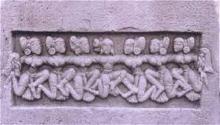
We will need to search for an object at the place where we have lost it – this is inevitable and also expected. We can examine this from the perspective of music. It is needless to say that music is inevitable for dance and in a sense directs dance. In a dance recital, even if the dancer is below par, we can relish the performance to some extent if the music accompaniment is good. On the contrary, if the dance is good but the accompanying music is below par, we will be unable to stand the show.
Story 21
28. Trivikramasena, for the twenty-first time, hauled the corpse on his shoulder and head out. The vetāla began narrating yet another story: