
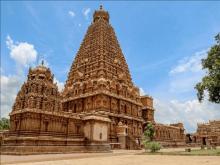
For people of the sanātana-dharma, the whole of creation is an embodiment of divinity – the creation is pervaded by its Creator and both are equally divine; they are, in fact, not two different entities. It is for this reason, there is hardly any object that is not worshipped in the sanātana culture. From a vedāntic perspective, the nirguṇa-parabrahma is the only Reality and needs to be realised within oneself.
Author:hari

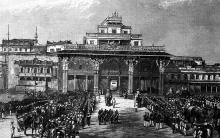
It is important for us to understand the concept of a ‘colony’ and ‘colonising a country’ before we dwell on the subject of ‘decolonising legal system’. The term ‘colony’ finds its root in the Latin word colonus, which referred to ‘a farmer’ or ‘a husbandman’, who would hold his own land as a tenant for a money payment. The person who lent money to the farmer would partake the character of a landlord until the money was repaid by the farmer. Thus, the concept of becoming a debtor in one’s own land was often referred to as being colonised.
ರಂಗನಾಥ್ ಅವರ ಮೊದಲ ಮಗಳ ಹೆಸರು ಅಂಜನಾ. ಎರಡನೆಯ ಮಗಳು ಹುಟ್ಟಿದಾಗ ಯಾವ ಹೆಸರು ಇಡಬೇಕೆಂದು ಕೇಳಿದಾಗ ಎಸ್. ಕೆ. ಎಮ್. ಹೀಗೆ ಹೇಳಿದ್ದರಂತೆ: “ನಿರಂಜನಾ ಅಂತ ಇಡಿ. ಮತ್ತೂ ಒಬ್ಬಳು ಹುಟ್ಟಿದರೆ ಇದ್ದೇ ಇದೆ ಅಮೃತಾಂಜನಾ!” ಇಲ್ಲಿಯ ಧ್ವನಿ ಆ ಕಾಲದ ಕನ್ಯಾಪಿತೃಗಳಿಗೆ ಚೆನ್ನಾಗಿ ತಿಳಿಯುತ್ತದೆ. ಚೋದ್ಯವೆಂದರೆ ರಂಗನಾಥ್ ಅವರಿಗೆ ನಿಜಕ್ಕೂ ಮೂವರು ಹೆಣ್ಣುಮಕ್ಕಳಾದರು! ಪುಣ್ಯಕ್ಕೆ ಹೆಸರುಗಳು ಮಾತ್ರ ಬೇರೆಯಾದವು. ಕೃಷ್ಣಮೂರ್ತಿಗಳ ಈ ವಿನೋದ ಎಚ್. ಕೆ. ಆರ್. ಅವರಿಗೆ ಅದೆಷ್ಟು ಇಷ್ಟವಾಯಿತೆಂದರೆ ಒಮ್ಮೆ ಡಿ.ವಿ.ಜಿ. “ನಿಮಗೆಷ್ಟು ಮಕ್ಕಳು?” ಎಂದು ಕೇಳಿದಾಗ “ಅಂಜನಾ, ನಿರಂಜನಾ, ಅಮೃತಾಂಜನಾ” ಎಂದೇ ಉತ್ತರಿಸಿದ್ದರು!
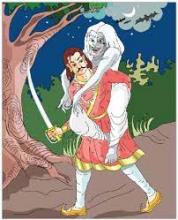
Story 19
26. Trivikramasena, for the nineteenth time, picked up the corpse and heaved it onto his shoulder before setting out. The vetāla began narrating another tale:
Prologue to Chapter 5
ಬೋಧಿಸಿದೆ ಕರ್ಮಯೋಗವ
ಬೋಧಿಸಿದಿದಯ್ ಸಂನ್ಯಸನವನುಮನಾ ದ್ವಿಕದೊಳ್ ।
ಸಾಧನ ಮೇಲೆನಗಾವುದೊ
ಆದೇಶಿಪುದೆಂದು ಬೇಡಿದಂ ಕೌಂತೇಯಂ ।। ೧
Bodhisidĕ karma-yogava
bodhisiday saṃnyasana-vanumanā dvikadadoḷ
sādhana melĕnagāvudŏ
ādeśipudĕṃdu beḍidaṃ kauṃteyaṃ ।। 1
The son of Kunti implored,
“You taught me the Yoga of action.
You taught me renunciation.
Which of the two paths is better for me?
Please instruct me”

Story 17
24. Trivikramasena put the corpse on his shoulder for the seventeenth time and started to walk. The vetāla started to narrate another story:-