
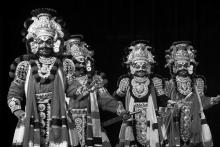
For the sustenance and growth of any form of art, novelty and constant practice are essential. They are required both at the level of the individual and the society. Though most people intuitively agree with this, there have been several discussions and debates regarding the nature of the novelty that is introduced in an art and the value that innovation adds to aesthetics.
Author:hari
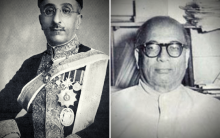
I cannot say that Mirza Ismail was a gifted public speaker. He used to write down what he intended to convey at a gathering and read it out.
However, the style of his written English was beautiful; the kind that was in harmony with the conventions of the English language. Sentences used to be short and lucid. He chose words that were delicate and aesthetic. The letters he wrote to his friends would have light humour in them.
He used to correct drafts prepared by others in English and beautify them.
ಯೌಗಂಧರಾಯಣ ತನ್ನ ಮಹತ್ತಾದ ಕನಸನ್ನು ರೇಭಿಲನೊಡನೆ ಹಂಚಿಕೊಳ್ಳುತ್ತಾನೆ:
पातु वस्ताण्डवोड्डीनगण्डसिन्दूरमण्डनः ।
वान्ताभिपीतप्रत्यूहप्रताप इव विघ्नजित् ॥May Gaṇeśa, the destroyer of obstacles, protect you, the effusing vermillion on his temples during his tāṇḍava, looks like the fiery prowess of all impediments he has swallowed.

ಮಣ್ಣು ಕನಸು ಕಾಣುತ್ತದೆಯೇ? ‘ಮೃತ್’, ಮಣ್ಣು ಮೂರ್ತವಾದರೂ ಅಚೇತನ. ‘ಸ್ವಪ್ನ’, ಕನಸು ಅಮೂರ್ತವಾದರೂ ಚೇತನದ ಅಂಶ ಹೊಂದಿದ್ದು ಅರೆಕ್ಷಣದಲ್ಲಿ ಲೋಕಾಲೋಕಗಳನ್ನು ಕಾಣಿಸುತ್ತದೆ. ಮಣ್ಣು ನೆಲವನ್ನು, ಭೂಮಿಯನ್ನು, ರಾಜ್ಯಗಳನ್ನು ಪ್ರತಿನಿಧಿಸುವ ಪದ. ಕನಸು ಜೀವಿಗಳ ಮನಃಪ್ರಪಂಚದಲ್ಲಿ ಕಂಡುಬರುವ ವ್ಯಾಪಾರ. ಮಣ್ಣು ಇರದಿದ್ದರೆ ನೆಲೆ ಇಲ್ಲ, ಬೆಳೆ ಇಲ್ಲ; ಜೀವನವೂ ಇಲ್ಲ. ಜಡದಂತೆ ಮೂರ್ತರೂಪದಲ್ಲಿದ್ದರೂ ಕನಸು ಕಾಣಲು, ತನ್ನ ಕನಸನ್ನು ಸಾಕ್ಷಾತ್ಕರಿಸಿಕೊಳ್ಳಲು, ತನ್ನಿಂದ ಮೂಡಿಬಂದ ಜೀವಚೈತನ್ಯಗಳ ಸಹಕಾರದಿಂದ ಮಾತ್ರ ಸಾಧ್ಯ.
ಶಿಶಿರರ್ತುವನ್ನು ವರ್ಣಿಸುವ ಮುಂದಿನ ಪದ್ಯ ತನ್ನ ಚಮತ್ಕಾರದಿಂದ ಚೆಲುವೆನಿಸಿದೆ:
ಆನಂದಾದಿವ ರೋಮಹರ್ಷಣಮಯೋ ಭೀತ್ಯೇವ ಚೋದ್ವೇಪಥುಃ
ಕ್ರೋಧಾವೇಶವಶಾದ್ವಿಘೃಷ್ಟರದನಃ ಶೋಕೇನ ನಮ್ರಾನನಃ |
ಆಶ್ಚರ್ಯೇಣ ಹಹೇತಿ ಜಲ್ಪಿತಪರಶ್ಚಾಯಂ ಜುಗುಪ್ಸಾವಶಾ-
ನ್ನಾಸಾಬದ್ಧಕರೋ ವಿಭಾತಿ ಶಿಶಿರಶ್ಚಾರಿತ್ರ್ಯವೈಚಿತ್ರ್ಯಭಾಕ್ || (ಕಾವ್ಯೋದ್ಯಾನಮ್, ಪು. ೧೩೦)
निशासु ताण्डवोद्दण्डशुण्डासीत्कारशीकरैः |
ज्योतींषि पुष्णन्निव वस्तमो मुष्णातु विघ्नजित् ||
May Vighneśvara remove the darkness of ignorance that envelopes you. He dances at night and lifts his trunk straight upwards. He sprinkles cool water through his trunk, giving the impression that he has added stars to the sky.