Author:hari

Sundari and Mantap

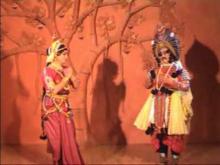
I hereby list a few suggestions for Yakṣagāna artistes, especially to enrich their āṅgikābhinaya and realise its value.

• It is important to ensure that the strī-veṣas are more graceful and gentle. This can be achieved by blending the movements of Yakṣagāna with the movement vocabulary of the Nāṭyaśāstra. Movements will need to be adapted to suit the nature of the character.
Connoisseurship

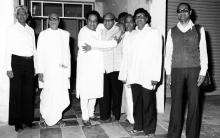
Gorur’s experiences in the Pension Office and his description of the splendorous Narasiṃhasvāmī jātrè[1] are rich with rasa.

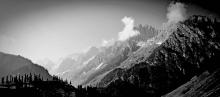
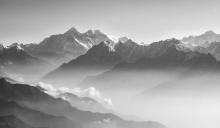
Himalaya

ಕಾಳಪ್ಪ. ಇವನ ಹೆಸರು ಯಮಧರ್ಮನ ಸಂಕೇತವೂ ಹೌದು, ಕಾಲದ ಸಂಕೇತವೂ ಹೌದು. ಸದಾ ದೇಶ-ವಿದೇಶಗಳಲ್ಲಿ ತಿರುಗಾಡುವ ವೃತ್ತಿಪರನನ್ನಾಗಿ ಕಾಳಪ್ಪನನ್ನು ಚಿತ್ರಿಸುವ ಮೂಲಕ ಭೈರಪ್ಪನವರು ಕಾಲದ ಚಲನಶೀಲತೆಯನ್ನು ಸೂಚಿಸಿದ್ದಾರೆ. ಸಾವನ್ನೂ ಸೇರಿದಂತೆ ಜವರಾಯಿಯ ಜೀವನದ ಹಲವು ಸಂಗತಿಗಳನ್ನು ಅವನ ಡೈರಿಯ ಮೂಲಕ ಕಾಳಪ್ಪ ತಿಳಿದುಕೊಳ್ಳುವುದು ಕಾಲದ ಸಾಕ್ಷಿಸ್ವಭಾವವನ್ನು ಧ್ವನಿಸುವಂತಿದೆ. ಈ ಹಿನ್ನೆಲೆಯಲ್ಲಿ ನಾವು ಪಾತ್ರವಿಶ್ಲೇಷಣೆಗೆ ತೊಡಗಬಹುದು. ಕಾಳಪ್ಪನನ್ನು ಅವನ ಅರವತ್ತೊಂದನೆಯ ವಯಸ್ಸಿನಲ್ಲಿ ಸಾವಿನ ಆಲೋಚನೆ ಆವರಿಸಿಕೊಳ್ಳುತ್ತದೆ. ಆತನ ಮಾತಿನಲ್ಲಿಯೇ ಹೇಳುವುದಾದರೆ, ಅದು “ಇದ್ದಕ್ಕಿಂದ್ದಂತೆಯೇ ತೋರಿಸಿಕೊಂಡ ಮುಪ್ಪಲ್ಲ, ಶಕ್ತಿಹೀನತೆಯಲ್ಲ, ಕಾಹಿಲೆಯಲ್ಲ, ಸಾವು.

सन्तोषं जनयेत् प्राज्ञः तदेवेश्वरपूजनम्
[The eminent should create joy for others, that is the same as the worship of Īśvara]

Ashoka

The war ended. Laṅkā was captured. Hanumān conveyed the news of Śrīrāma’s victory to devī Sītā. Was there any limits to her joy? “Soumya! Nothing in this world is worth the news which you have conveyed to me.” What would Hanumān desire? He saw all the rākṣasīs who were entrusted to guard devī Sītā, some mischievous idea sprung up. “Devī! Please permit me to do this! These rākṣasīs tortured you so much. I want to avenge that! I want to bite their noses and ears, pluck their hair, torture them without respite!”

Limiting Pleasures

It is not required for a sādhaka practising dhyāna to adhere to valiant restrictions on food and other diversions. His sitting posture should not hinder easy breathing and other bodily activities, and should not cause trouble to his limbs. There is a proper measure for eating, sleeping and jāgaraṇa[1]. A yogi is moderate in the above aspects. Here, moderation means just as much as is required for mental balance; neither more, nor less.

ಭೂಮಿಕೆ

ಮಾಸರ್ತುದರ್ವೀಪರಿಘಟ್ಟನೇನ

ಸೂರ್ಯಾಗ್ನಿನಾ ರಾತ್ರಿದಿವೇಂಧನೇನ |

ಅಸ್ಮಿನ್ಮಹಾಮೋಹಮಯೇ ಕಟಾಹೇ

ಭೂತಾನಿ ಕಾಲಃ ಪಚತೀತಿ ವಾರ್ತಾ ||

ಮಹಾಭಾರತದಲ್ಲಿ ಯಕ್ಷ “ಏನು ವಾರ್ತೆ?” ಎಂದು ಪ್ರಶ್ನಿಸಿದಾಗ, “ಸೂರ್ಯನನ್ನು ಬೆಂಕಿಯಾಗಿ ಬಳಸಿ, ಹಗಲು-ರಾತ್ರಿಗಳನ್ನೇ ಒಲೆಗೆ ಇಂಧನವನ್ನಾಗಿಸಿ, ಮೋಹವೆಂಬ ಬಾಣಲೆಯಲ್ಲಿ ಋತು-ಮಾಸಗಳೆಂಬ ಸೌಟಿನ ಮೂಲಕ ಸಕಲ ಜೀವಿಗಳನ್ನೂ ಕಾಲನೆಂಬ ಬಾಣಸಿಗ ಬೇಯಿಸುತ್ತಿದ್ದಾನೆ” ಎಂಬುದು ಧರ್ಮರಾಜ ಕೊಟ್ಟ ಉತ್ತರ.

ಚಾರುದತ್ತ ಗೆಳೆಯ ಮೈತ್ರೇಯನ ಒತ್ತಾಯಕ್ಕೆ ಕಟ್ಟುಬಿದ್ದು ನಾಟ್ಯವನ್ನು ಕಾಣಲು ಬರುತ್ತಾನೆ. ಅವನಿಗೆ ಈ ಮುನ್ನ ತಾನು ಕಂಡಿದ್ದ ವಸಂತಸೇನೆಯ ಅಭಿನಯದಲ್ಲಿ ಅಷ್ಟಾಗಿ ಮನಸ್ಸಿರಲಿಲ್ಲ. ಹೀಗಾಗಿಯೇ ಅವನು ಹಿಂದೆ ಅವಳ ನೃತ್ಯಗಳಿಗೆ ಹೆಚ್ಚಾಗಿ ಹೋಗುತ್ತಿರಲಿಲ್ಲ. ಆದರೆ ಈಗ ಆಮ್ರಪಾಲಿಯ ಕೈಯಲ್ಲಿ ತರಪೇತಿ ಪಡೆದ ವಸಂತಸೇನೆಯ ಕಾರ್ಯಕ್ರಮಕ್ಕೆ ಹೋಗಲು ಹಿಂದೆಗೆಯುವ ಕಾರಣವೇ ಬೇರೆ. ಅವನೀಗ ಬರಿಗೈಯವನಾಗಿದ್ದಾನೆ. ಕೈಯೆತ್ತಿ ಕೊಡಲಾಗದಿರುವುದು ಅವನಿಗೆ ಮಿಗಿಲಾದ ಕಷ್ಟ:

Himalaya


चन्द्राननार्धदेहाय चन्द्रांशुसितभूतये।

चन्द्रार्कनलनेत्राय चन्द्रार्धशिरसे नमः॥

करेण कुञ्चिताग्रेण लीलयोन्नमितेन यः।

भाति सिद्धीरिव ददत् स पायाद्वो गजाननः ॥


Salutations to Śiva, who has the moon-faced Pārvatī occupying half his body that is smeared with ash resembling the cool rays of the moon and he, who possesses the Sun, the Moon and the Fire as his eyes.