

Let us examine the qualities that the extempore delivery of dialogues on the stage should ideally possess. Adherence to śruti, though important, is not the only aspect that needs to be cared for. Pronunciation of every syllable should be accurate. Depending on the situation, appropriate words, syllables, and punctuations must be appropriately emphasized. Artistes should modulate their voice as per the emotion that needs to be expressed. In addition to these, pauses, accurate splitting of words, and silences at appropriate places also strengthen emotive expression.
Author:hari
Summary
Whatever is essential and uniquely great in this world is to be understood as a salient mark of Brahma’s power. Whatever quality endows a thing with usefulness and value belongs to the power of Brahma.
ಅಂತ್ಯಪ್ರಾಸ
ಅಂತ್ಯಪ್ರಾಸದ ಇತಿಹಾಸವು ಸಾಕಷ್ಟು ಪ್ರಾಚೀನ. ವಿಶೇಷತಃ ರಗಳೆಗಳಲ್ಲಿ ಎರಡು-ಎರಡು ಸಾಲುಗಳು ಯುಗ್ಮಕಗಳೆಂಬಂತೆ ಅಂತ್ಯಪ್ರಾಸದೊಡನೆ ಸೇರಿ ಬರುತ್ತವೆ. ಇಲ್ಲಿ ಆದಿಪ್ರಾಸವಿದ್ದರೂ ಇಲ್ಲದಿದ್ದರೂ ಅಂತ್ಯಪ್ರಾಸ ನಿಯತವಾಗಿ ಬರುವುದು ಗಮನಾರ್ಹ. ಸಂಸ್ಕೃತ ಮತ್ತು ಪ್ರಾಕೃತ-ಅಪಭ್ರಂಶಗಳ ಗೀತಸಾಹಿತ್ಯದಲ್ಲಿಯೂ ಅಂತ್ಯಪ್ರಾಸವನ್ನು ಗುರುತಿಸಬಹುದು.[1] ಇಲ್ಲಿ ಆದಿಪ್ರಾಸವಿರುವುದಿಲ್ಲ. ಇದರ ಮುಂದುವರಿಕೆಯನ್ನು ಹಿಂದೀ ಮೊದಲಾದ ಉತ್ತರಭಾರತದ ಭಾಷೆಗಳ ಸಾಹಿತ್ಯದಲ್ಲಿ ಕಾಣಬಹುದು.
ಕನ್ನಡದಲ್ಲಿ ಅಂತ್ಯಪ್ರಾಸವು ರಗಳೆಗಳ ಮೂಲಕ ತೋರಿಕೊಳ್ಳುವ ಕ್ರಮವನ್ನು ಈ ಕೆಲವು ಉದಾಹರಣೆಗಳು ನಿರೂಪಿಸುತ್ತವೆ:

ಅಪೌರುಷೇಯವೆನಿಸಿದ ವೇದವಾಙ್ಮಯದಲ್ಲಿ ಪ್ರಾಸಬದ್ಧವಾದ ಅನೇಕ ಪಂಕ್ತಿಗಳಿವೆ. ಆದಿಕವಿ ವಾಲ್ಮೀಕಿಯಲ್ಲಿ ಪ್ರಾಸಾನುಪ್ರಾಸಗಳ ಸಮೃದ್ಧಿಯನ್ನು ಕಾಣಬಹುದು. ಅಷ್ಟೇಕೆ, ಭಾರತೀಯ ಭಾಷೆಗಳೆಲ್ಲ ಸಹಜವಾಗಿ ಪ್ರಾಸಾನುಪ್ರಾಸಗಳಿಗೆ ಒಗ್ಗಿಬಂದಿವೆ. ನಮ್ಮ ಅನುದಿನದ ಸಂಭಾಷಣೆಗಳಲ್ಲಿ, ಗಾದೆಮಾತುಗಳಲ್ಲಿ, ಜಾನಪದರ ಗೇಯಗಳಲ್ಲಿ, ನಾಟಕ-ಸಿನೆಮಾಗಳ ಹಾಡುಗಳಲ್ಲಿ ಪ್ರಾಸಾನುಪ್ರಾಸಗಳದೇ ಸಾಮ್ರಾಜ್ಯ. ಪ್ರಾಸದ ಮೂಲಕ ಎಂಥ ಗಹನ ವಿಚಾರವನ್ನೂ ಮನಸ್ಸಿಗೆ ಹತ್ತಿರ ಮಾಡಬಹುದು.
One day, I quoted the following verse by poet Bhavabhūti to him.
बहिः सर्वाकारप्रगुणरमणीयं व्यवहरन्
पराभ्यूहस्थानान्यपि तनुतराणि स्थगयति
जनं विद्वानेकः सकलमभिसन्धाय कपटैः
तटस्थः स्वानर्थान्घटयति च मैौनं च भजते
[A “genius” indulges in every activity while making his adversaries unaware of even the minute flaws in his plans, he misleads others to think as though he is indifferent of the outcomes but gets the results in his favour, keeps himself silent too.]

Accomplishment through Practice
It looks as though this principle appealed to Arjuna’s mind, in the course of teaching of the true nature of the ātmā. However, he still had doubts regarding the practice.
cancalaṃ hi manaḥ kṛṣṇa pramāthi balavad-dṛḍham।
tasyāhaṃ nigrahaṃ manye vāyor-iva suduṣkaram॥ BG 6.34

ಪಾರ್ವತಿ. ಇವಳೂ ಜವರಾಯಿಯಂತೆ ಜೀವನದ ಬಗೆಗೆ ಆಸ್ಥೆಯುಳ್ಳವಳು. ಯಾವ ಕೆಲಸ ಮಾಡಿದರೂ ಅದರಲ್ಲಿ ಒಪ್ಪ-ಓರಣ ಇರುವಂತೆ ನೋಡಿಕೊಳ್ಳುವ ಮನೋಭಾವದವಳು. ಈಕೆಯನ್ನು ಹುಟ್ಟು-ಸಾವುಗಳಿಗೆ ಹತ್ತಿರವಿರುವ ನರ್ಸ್ ಉದ್ಯೋಗದವಳೆಂದು ಚಿತ್ರಿಸುವ ಮೂಲಕ ಭೈರಪ್ಪನವರು ಔಚಿತ್ಯ ಕಾಪಾಡಿಕೊಂಡಿದ್ದಾರೆ. ಇದರಿಂದ ಕೃತಿಯ ಕಥನತಂತ್ರಕ್ಕಾದ ಪ್ರಯೋಜನ ಬಲು ಮಿಗಿಲು. ನಾಯಿನಾಗರಾಜಯ್ಯನ ಸಾವಿನಿಂದ ತತ್ತರಿಸುತ್ತಿದ್ದ ಜವರಾಯಿಯ ಭಾವತುಮುಲವನ್ನು ಸಹಾನುಭೂತಿಯಿಂದ ಅರ್ಥಮಾಡಿಕೊಳ್ಳಲು ಪಾರ್ವತಿಗೆ ನೆರವಾದದ್ದು ಅವಳ ವೃತ್ತಿ. ರೋಗಬಾಧಿತರನ್ನು ಪ್ರತಿದಿನವೂ ನೋಡುತ್ತಿದ್ದ ಅವಳಿಗೆ ಸಾವಿನ ಅನಿವಾರ್ಯತೆಯ ತಿಳಿವಳಿಕೆ ಚೆನ್ನಾಗಿತ್ತು.
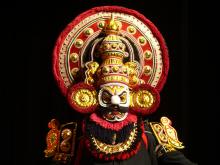
Vācika
Mātu and dhātu are the two aspects of vācikābhinaya. They can be loosely translated as lyrics and music, respectively. Gadya, padya, and gīta (pada) are the components of mātu. Gāna and vādana tuned to śruti and laya constitute dhātu. We shall have a look at the vācikābhinaya of Yakṣagāna in the same order.
The Story of Guṇavatī and Candravatī
A king called Guṇasāgara ruled Kaṭāhadvīpa. He begot a daughter named Guṇavatī