Vaiṣṇavāgamas
Vaiṣṇavāgamas are similar to the Śaivāgamas. They are scriptures containing the procedure for worshipping Viṣṇu, the procedure for temple construction, and philosophy. The Vaiṣṇavāgamas are of two types – Pāñcarātra and Vaikhānasa. The Pāñcātrāgamas are older than the latter. They have been mentioned in the Mahābhārata. The roots of the Pāñcarātra texts can be traced to the Taittirīya Āraṇyaka and Śatapatha Brāhmaṇa. Some Vaiṣṇavas believe them to be derived from the Śuklayajurvēda. The tradition mentions 108 Pāñcarātra Āgamas, out of which only a few of them are in Dēvanāgrī script. Unfortunately, many of them are lost or unpublished. Among them, only the Ahirbudhniya Samhitā has been considered for the article. The rest of them do not deal much with the rites of kṣattriyas. It is quite unfortunate that the surviving Pāñcarātra do not deal much with the abhicāra rites.
(1) Sudarśana-Yantra
In the 25th Adhyāya of the Ahirbudhniya Samhitā, the Sudarśanayantra is ordained for those who wish to seek wealth and also vanquish their enemies. The sādhaka also gains the kingdom over his enemy. It can also be used as a pratyabhicāra rite[1]. This yantra is specially ordained for the kings who seek to gain dominion over the land[2]. It is also recommended to establish the Narasiṁha yantra alongside the Sudarśana yantra for greater benefit. In the 26th Chapter, the procedure of establishing the yantra is detailed. Sudarśana is described as a deity with sixteen arms, with brown eyes and hair, clad in red garments and holding various weapons in his arms[3].
(2) Dhāraka-Yantra
In the 27th Adhyāya, the Samhitā deals with the potent Dhāraka yantra, which is also called as Yantrarāja. Verses 4 to 18 mention the establishment of this yantra. Sage Ahirbudhnya, while mentioning the purpose of this yantra, narrated an incident where Indra, on worshipping the said yantra, gained the strength to win over his enemies[4]. For the kṣāttriyas, daily worship of the Dhāraka yantra has been ordained if they want to gain lordship over the lands[5].
Śākta-Āgamas
The Śaktāgamas are famously known as Tantras. These texts consist of various sādhanas, yantras, and philosophy. The Śāktas also believe that their texts were revealed by Lord Śiva. These texts are an offshoot of the Bhairava Āgamas and were later developed independently.
The Śākta texts were always advocates for the Kṣāttra spirit. The famous incident of Benimādhava Ray is an excellent example of their Kṣāttra spirit[6]. The Śākta texts contain many abhicāras for subduing and eliminating the foes. Similar to Śaivism and Vaiṣṇavism, the roots for the Śakta philosophy can be traced back to the Dēvīsūkta[7] and Khilas of the Ṛgvēda[8]. In this article, only the Tantras of the Kulamārga have been used. The Tantras dealing with vāmamārga are very vast and similar to the ones mentioned below.
(1) Mṛtyuñjaya-abhicāra
This stōtra is found in the 40th Paṭala of the Dēvīrahasya. The Tryambaka mantra with “ॐ हौं जूं सः” at the beginning is to be recited by the sādhaka. If the sādhaka wants to use the mantra for abhicāra purposes, then he offers an oblation consisting of ghee, deer meat, a mixture of śrīparṇi (Clerodendrum phlomidis) and honey, and a mixture of bilva (Aegle marmelos) and tamarind fruit while reciting the mantra ten thousand times[9]. This should be performed on a Monday in the cremation grounds. Similarly, for subduing the enemy, he bathes on a Friday and offers oblations consisting of ghee, frog meat, and oysters are offered while reciting the verses ten thousand times[10].
(2) Laskṣmīnārāyaṇa-abhicāra
The Dēvīrahasya ordains the application of Lakṣmīnārāyaṇa mantra for stambana, uccāṭana and nighraha. The Lakṣmīnārāyaṇa mantra is ‘ॐ ह्सौः ह्रीं श्रीं लक्ष्मीनारायणाय नमः’[11]. One is to chant this mantra in a cremation ground ten thousand times while pouring libation, which is a mixture of ghee, wheat, pāyasa, darbha (Cynodon dactylon), and molasses[12] to Lord Viṣṇu.
(3) Durgā-abhicāra
The “ॐ ह्रीं दुं दुर्गायै नमः” is the mūla mantra of Goddess Durgā[13], which can also be used for vanquishing and subduing the enemy. For vanquishing the enemy, the above mantra is recited ten thousand times near a Vēta (cane) in the forest. While reciting, one offers an oblation of ghee, pāyasa, and oysters[14]. For subduing or overthrowing the enemy, the sādhaka sits near the roots of the pipal tree. An oblation of ghee, strands of female hair, and skin particles is offered[15].
(4) Mahatkavaca
In the third Paṭala of the Yōginī-tantra, Lord Śiva preaches a kavaca mantra to Pārvatī for those who seek protection from diseases and also those who want to win over the enemies. The kavaca-mantra – “ॐ नमो भगवती वज्रशृंखले हन्तु भक्षतु खादतु अहो रक्तं पिब कपालेन रक्ताक्षि रक्तपटे भस्माक्षि भस्मलिप्तशरीरे वज्रायुधप्रकरनिचिते पूर्वान्दिशं बध्नातु दक्षिणान्दिशम्बन्नातु पश्चिमान्दिशम्बध्नातु नागार्थ धनाय ग्रहपतीन् बध्नातु नागपटीं बध्नातु यक्षराक्षसपिशाचान् बध्नातु प्रेतभूतगन्धर्वादयो ये ये केचित् पुत्रिकास्तेभ्यो रक्षतु ऊर्ध्व रक्षतु अधो रक्षतु स्वनिकां बध्नातु जलमहाबले एह्येहि तु लोटि-लोष्टि शतावलि वज्राग्निवज्रप्रकरे हुँ फट् ह्रीं हीं श्रीफट् हुँ हुँ कूँ फं फं सर्वग्रहेभ्यः सर्वदृष्टोपद्रवेभ्यो ह्रीं शेषेभ्यो मां रक्षतु ॥४॥” is to be recited to gain the desired result.
(5) Abhicāra in the Kulārṇava
In the sixteenth ullāsa of the Kulārṇava Tantra, various hōmas are ordained. Among them, the rites about abhicāra and uccāṭana can also be found. The sādhaka is to wear black clothes and collect various faggots of neem, kāraskara, etc… and dip them in citric acids. He then collects the mud where his enemy has kept his feet, mixes it with human ash and makes a puppet out of it. He invokes his enemy inside the puppet and digs a pit placing it inside and then offers the faggots also with seven sticks taken from a poisonous tree while thinking about his enemy. This rite is down for uccāṭana and abhicāra[16].
(6) Vārāhī Mantras for gaining victory in battle
ThenTantrarāja contains various Śākta rituals in detail. In the 23rd Paṭala, one can find the worship of Goddess Vārāhi. The devotee meditates on her various forms to gain different fruits. In verses 25-29 of this Paṭala, we find that the form of Vārāhī holding various weapons like bow, arrow, plough, broad-sword, noose, dagger, discus, etc, is visualised and paid homage to by the devotee who seeks victory in battle[17].
Sūktas related to Abhicāra in the Vēdas
Many hymns throughout the Vēdas are recited for gaining victory in battles. They can be recited independently without the need for any rite. Some of the sūktas are mentioned below.
(1) Manyu-sūkta
The Manyu hymns in the Ṛgvēda 10.83-84 are the oldest mantras that can be found on the kṣāttra spirit. It can also be found in the Atharvavēda 4.31-32. This appears to be a battle charm. The name Manyu means ‘wrath’. Dr RL Kashyap calls it righteous wrath, but that is more of his personal view influenced by Madhvacārya. Dr RL Kashyap also interprets Manyu as the force of the mind, which is ridiculous and baseless. His interpretation, based on Aurobindo, shows a very shallow understanding of this energising hymn. Sāyaṇācārya rightly takes the meaning of Manyu as the deity presiding over anger and wrath[18]. There has been discussion as to whom Manyu here refers to. Some claim it to be Indra and Varuṇa, but this lacks scriptural evidence. The Madhvas apply this hymn to Narasiṁha based on the Mahābhārata Tātparyanirṇaya. But this seems a rather forced application. Though in spirit there is nothing in worshipping any Ugradēvata with the Manyu verses, still, in my humble opinion, it is important to address the deity of the hymns. The Madhvas themselves have a habit of encroaching on verses belonging to other deities.
According to my study of the Vēdas, Purāṇas, and Itihāsas, Manyu is identical to Rudra. Rudra in the Vēdas also stands out as an unparalleled warrior along with Indra. His wrath is also saluted in the Śatarudrīya[19] and is called as the overlord of wrath in the Taittirīya Brāhmaṇa[20]. In the Śatapatha Brāhamṇa, it is revealed that Rudra was originally named as Manyu by Prajāpati[21]. The Mahābhārata[22] and the Purāṇas[23] exclusively attribute the name to Rudra.
In the very first verse of the hymn, it is declared that those who worship Manyu gain strength and vigour in battle. The worshipper overcomes any dāsa and ārya foes by[24] his grace[25].
In the second verse, Manyu is glorified as Indra[26], Varuṇa, Agni[27], and Hōtā. Manyu is also praised as the strongest among the strongest (त॒वस॒स्तवी᳚यान्)[28]. He is said to have an overpowering vigour, and the worshipper asks Manyu to lend his vigour in battle[29]. The fifth in particular is quite interesting. The warrior proclaims in front of Manyu that he lost the battle because he had not propitiated Manyu (meaning he had no vigour in him) and was defeated in battle, therefore, he pleads with Manyu to grant him vigour[30]. In the Ṛgvēda 10.84.1, he is described as mahāratha along with dēvas. He is proceeding to battle holding sharp arrows and weapons[31]. The devotee requests Manyu to become his Supreme Commander in battle and help him again victory[32]. The Ṛgveda 10.84.5 and 10.84.7 make it clear that Manyu was invoked by the warriors both before battle and during the war's commencement.
(2) Apratiratha-sūkta
The Apratiratha hymn is found in the Ṛgvēda Samhitā 10.103 and Taittirīya Samhitā 4.6.4, dedicated to Indra. Sage Āśvalāyana ordains this sūkta to be recited by the priest who accompanies the king in battle[33]. The seer of this hymn is Indra’s son, Apratiratha Aindra. It is quite betting that a hymn of Indra is called Apratiratha. The word Apratiratha means ‘The one whom no rathas (warriors)[34] can counter’. In short, it is a title given to those who are undefeatable in battle. Since Indra stands as a symbol of the Kṣāttra spirit[35], this verse is recited in all the battles.
Indra is called as ēkavīra, the sole hero who conquered hundreds of armies[36]. In the 7th verse, the unconquerable Indra is requested to protect the armies that take part in battle.[37] Indra inspires the weapons and warriors of all those who participate in battle[38], motivating the soldiers to fight with valour and dharma. The sūkta concludes with a blessing – प्रेता॒ जय॑ता नर॒ इन्द्रो᳚ वः॒ शर्म॑ यच्छतु । उ॒ग्रा वः॑ सन्तु बा॒हवो᳚ऽनाधृ॒ष्या यथास॑थ ॥[39]
(3) Sapatnanāśana-sūkta
The Sapatnanāśana hymns are dedicated to the destruction of rival kings and foes, which is found in the Ṛgvēda Samhitā 10.166. We find in the first verse that this hymn results in the death of the hostile foes. Additionally, the seer seeks to become a King. In the second verse, we find – “May all my foes of mine be cast down under my feet”[40]. Finally, the seer declares that by these hymns he has gained the ability to trample the head of his enemies as they cry in pain[41].
(4) Rākṣōghna-sūkta
This is found in the seventh Maṇḍala[42] of the Ṛgvēda Samhitā, consisting of twenty-five ṛks. Indrāsōmā, Indra, Sōma, and Agni are the main Dēvas in this sūkta. In the Bṛhaddēvatā, Śaunaka mentions that Brahmarṣi Vasiṣṭha heard these verses where the descendants of Sudāsa killed his hundred sons[43]. In many ṛks, we see that Indrāsōmā are asked to vanquish, burn and tear the Rākṣāsas. In the 7th verse, it is said, “May there be no peace and happiness for those who are evil”.[44]
(5) Rākṣōghna-sūkta (2)
This is a famous hymn from the Ṛgvēda Samhita[45] dedicated to Agni Rakṣōha. It is also present in the Taittirīya Samhitā 1.2.14. The first five ṛks are recited while the pravargya is offered in the Sōmayāga. The Rākṣasas are barbaric and violent. They are haters of those who know Brahman. In the scriptures, though they have been described as celestial beings, in the above sūkta, Rākṣasas represent evil in general. Agni is described as the one who burns the foes with his fiery arrows[46] and protects the yajamāna from the enemies[47]. The warrior requests Agni to burn all his foes just like how the fire burns the log[48]. In the 8th verse of this sūkta, the yajamāna asks Agni to establish kṣattra in him[49].
(6) Vijayaprada-sūktas
The Vijyaprada hymn is found in the seventy-fifth sūkta of the sixth Maṇḍala. Āśvalāyana in his gṛhyasūtra (3.12) ordains the recitation of the Vijayapradasūktam while the King proceeds to war. The hymn contains the eulogy of the armour, bow, arrow, chariot, charioteer, stallion, etc. The verse धन्व॑ना॒ गा धन्व॑ना॒जिं ज॑येम॒ धन्व॑ना ती॒व्राः स॒मदो᳚ जयेम । धनुः॒ शत्रो᳚रपका॒मं कृ॑णोति॒ धन्व॑ना॒ सर्वाः᳚ प्र॒दिशो᳚ जयेम ॥[50] is a famous verse which is also present in the Taittirīya Samhitā and is recited while worshipping the bow.
(7) Atharvavēda-sūktas
There are many hymns in the Atharvavēda regarding abhicāra. Since they have not been given a specific name like the previous sūktas, all the abhicāra sūktas from the Śaunaka Samhitā have been collected here. While mentioning the hymns, their application will also be briefly mentioned. Since these rites are not ordained by the Brāhmānas, they have not been put under the category of śrautakarmas.
In 1.16, an abhicāra sūkta is found for Agni. The nighrangers (yātuhas are rākṣasas) are said to be vanquished by this sūkta. Sāyaṇācārya mentions the application of this sūkta to vanquish the hated foe[51] using lead particles. The 1.19, 1.20 and 1.21 are recited to seek protection from the weapons of the enemy in battle and gain victory[52]. Sāyaṇācārya also mentions the application of 1.19 in a Ājyāhōma. Reciting the sūkta 1.26, one offers ghee libation and then picks up his arms, enchanting them with the same sūkta[53]. He recites the sūkta while he goes to sleep at night and does the same when he wakes the next day. This protects him from injuries. For seeking victory in battle, he does the same as before while applying the 1.27[54]. The 1.28 is also recited for gaining similar results.
The sūkta appearing in 2.19 of the Atharvavēda contains a hymn for Agni, which is used in abhicāra for vanquishing the enemy. Reed, black rice, barley and sesame are offered to Agni.[55] The verses ask Agni to reduce one’s enemies to ash.[56] The fifth sūkta of the second Kāṇḍa contains a hymn which is used to make an enchanted amulet to gain strength and vigour. The amulet bead is made from the palāśa tree (Butea monosperma)[57]. Similarly, the next sūkta is applied to make an amulet from the aśvattha and khadira beads.[58]
The eighteenth, nineteenth, and twentieth sūktas of the fourth kāṇḍa are used in pratyabhicāra. Sāyaṇācāraya says that by performing this, one gets free from the abhicāra performed by women, śūdras and kāpālikas.[59]
In the fifth kāṇḍa’s eighth sūkta, we find an abhicāra rite performed specifically to target the ṛtviks of the enemy who perform abhicāras. An oblation of vaikankatha (Flacourtia sapida) sticks and ghee is offered, chanting this hymn. Though the sūtras only mention it as a rite for abhicāra, the 6th ṛk mentions Indra crushing the ṛtivik of the enemy who practices abhicāra.[60] Therefore, by liṅga[61], the result can be assumed. In the same kāṇda, we find two hymns (twentieth and twenty-first) dedicated to dundubhi (war drums) for gaining victory on the battlefield. The drum is played with hymns loudly chanted. The thirtieth sūkta of the same adhyāya contains the hymn used for pratyabhicāra. In the sixth ṛk, we hear “the spell they have cast upon the drum, this I throw back again on them”.[62]
The thirty-fourth sūkta of the sixth kāṇḍa is a rākṣōghna hymn of the Atharvavēda. The one who seeks to vanquish his enemies offers thirteen dravyas as oblations to Agni. The sixty-fifth sūkta is used in abhicāra for gaining victory in battle. Ghee libations, fired barely powder offering, and an oblation consisting of bows and arrows, are offered. The ṛtivik then offers a bow enchanted with mantras.[63] The ninety-seventh, ninety-eighth and ninety-ninth sūktas are also performed for gaining victory in battle. The procedure is the same. The ninety-second sūkta is an abhicāra performed to strengthen the stallion. A libation of ghee is poured, applying the sūkta and the horse is made to sip from a vessel containing consecrated water.[64] The kṣattriyas, while climbing his chariot, are ordained to recite the 125th sūkta[65] of this kāṇḍa. It is said to bring victory to the king[66].
In the twenty-eighth sūkta of the nineteenth kāṇḍa, an amulet made of darbha (Dhesmostachya bipinnata) is tied to the king who desires either victory, strength or rain. The seventh ṛk states, “O Darbha! Tear my rivals, tear the men who fain would fight with me. O Amulet! Tear all who wish me evil, tear the men who hate me!” [67].
Concluding Notes
I have included all the abhicāra rites and hymns to the best of my knowledge and research. If I have missed some of the rites, I seek apologies for my shortcomings. I will be happy to incorporate more sūktas and ṛks if someone provides them with references. I sincerely hope that this article proves to be of some help to the readers.
References
- Ṛgvēda Samhitā with the commentary of Sāyaṇācārya – Volume 1 by Vaidic Samshodhan Mandal, Pune, 1933.
- Ṛgvēda Samhitā with the commentary of Sāyaṇācārya – Volume 2 by Vaidic Samshodhan Mandal of Tilak Maharashtra University, Pune, 1938.
- Ṛgvēda Samhitā with the commentary of Sāyaṇācārya – Volume 3 by Vaidic Samshodhan Mandal of Tilak Maharashtra University, Pune, 1941.
- Ṛgvēda Samhitā with the commentary of Sāyaṇācārya – Volume 4 by Vaidic Samshodhan Mandal of Tilak Maharashtra University, Pune, 1946.
- Ten Volumes of the English translation of the Ṛgvēda Samhitā by Dr RL Kashyap, SAKSHI Trust.
- Volume 1 & 2 of the Aitarēya Brahmāṇa with the commentary of Sāyaṇācārya along with the Hindi Translation by Jamuna Pathak, Chaukambha Vidyabhavan, 2016
- Śāṅkhāyana/Kauṣītaki Brāhmaṇa, Anandashrama Publication, 1911.
- Taittirīya Samhitā with the commentary of Sāyaṇācārya, Anandashrama Publication, 2008.
- Taittirīya Brāhmaṇa with the commentary of Sāyaṇācārya, Anandashrama Publication, 1898.
- Taittirīya Āraṇyaka with the commentary of Sāyaṇācārya, Anandashrama Publication, 2017.
- Taittirīya Samhitā with the commentary of Bhaṭṭa Bhāskara Miśra – Volumes 1-10, Government Oriental Library, Mysore, 1894.
- Taittirīya Brāhmaṇa with the commentary of Bhaṭṭa Bhāskara Miśra – Volumes 1-4, Government Oriental Library, Mysore, 1908.
- Taittirīya Āraṇyaka with the commentary of Bhaṭṭa Bhāskara Miśra – Volumes 1-2, Government Oriental Library, Mysore, 1902.
- Atharvavada Samhita with the commentary of Sāyaṇācārya – Volume 1-4 by The Department of Public Instruction, 1895.
- Śaḍviṁśa Brāhmaṇa with Vēdārthaprakāśa of Sāyaṇācārya, Kendriya Sanskrit Vidyapeetha, 1983
- Śatapatha Brāhmaṇa with the commentary of Sāyaṇācārya and Śrī Hari Svāmī – Volumes 1-5, Gangavishnu Shrikrishnadass, 1940.
- Pūrvārdha and Uttarārdha of the Kāmika Āgama (Śaiva Siddhānta recension) by The Himalayan Academy, Hawaii.
- Ākāśa Bhairavakalpa of Umā Mahēśvara, Shri Kaya-Maya Research Institute, Karol Bhagh, New Delhi, 1981.
- Ahirbhudhniya Samhītā with Hindi translation of Sudhakar Malviya, Chaukhamba Sanskrit Pratishthan, Delhi, 2007.
- Yōginī Tantra with Hindi translation of Gangavishnu Krishnadass, 2013.
- Kulārṇava Tantra with Hindi Translation of Sudhakar Malaviya, Krishnadas Academy, 2001.
- Dēvī Rahasya Tantra by Chaukhamba Surabharati Prakashan, 2009.
- Sarva Karma Anuṣṭhāna Prakāśa by Mayuresh Prakashan, 2007.
- Āśvalāyana Śrautasūtra with the Vṛtti of Gārgya Nārāyaṇa, Bharatiya Vidya Prakashan, 2018
- Śāṅkhāyana Śrautasūtra with the commentary of Varadattasuta Ānartīya – Volumes 1-2, Mehachand Lachhmandas Publications, 1981
- Baudhāyana Śrautasūtra with English Translation by CG Kashikar – Volumes 1-4, Indira Gandhi National Centre for the Arts, 2003.
- Āpastamba Śrautasūtra with the English translation by GU Thite – Volumes 1-2, New Bharatiya Book Corporation, 2004.
- Bharadvāja Śrautasūtra with English translation by CG Kashikar, Volumes 1-4, Vaidic Samshodhan Mandal, Pune, 1964.
- Baudhāyana Gṛhyasūtra, Government Oriental Library, Mysore, 1920.
- Āpastamba Gṛhyasūtra with the commentary of Sudraśana, Government Oriental Library, Mysore, 1898.
- Māvana Śrautasūtra, Naag Publication, 2003.
- Kātyāyana Śrautasūtra with the English translation by GU Thite – Volumes 1-2, New Bharatiya Book Corporation, 2006.
- Pāraskara Gṛhyasūtra with the commentaries of Harihara and Gadadhara, Chaukhamba Surabharati Prakashan, 2010.
- Śābarabhāṣya on the Jaiminīyasūtras along with Tantravārtika and Ṭuptīkā of Kumārila Bhaṭṭa – Volumes 1-7, Anandashrama, Pune, 1994.
- Ślōkavārttika of Kumārila Bhaṭṭa with the Nyāyaratnākara of Pārthasārathī Miśra, Chowkhambha Book-Depot, Benaras, 1898.
- Jaiminīyanyāyamālā of Vidyāraṇya Svāmī, Anandashrama, Pune, 2023.
- Jaiminīyanyāyamālā of Vidyāraṇya Svāmī
- The Mīmāṁsā Sūtras of Jaimini by Mahāmahōpādhyāya Ganganath Jha, Parimal Publications, New Delhi, 2018.
- Mīmāṁsākoṣaḥ Part -1, Prājña Pāṭhśālā Maṇḍala Grantha Mālā, 1952.
- Mīmāṁsākoṣaḥ Part -2, Prājña Pāṭhśālā Maṇḍala Grantha Mālā, 1953.
- Mīmāṁsākoṣaḥ Part -3, Prājña Pāṭhśālā Maṇḍala Grantha Mālā, 1954.
- Mīmāṁsākoṣaḥ Part -4, Prājña Pāṭhśālā Maṇḍala Grantha Mālā, 1956.
- Mīmāṁsākoṣaḥ Part -5, Prājña Pāṭhśālā Maṇḍala Grantha Mālā, 1960.
- Mīmāṁsākoṣaḥ Part -6, Prājña Pāṭhśālā Maṇḍala Grantha Mālā, 1962.
- Mīmāṁsākoṣaḥ Part -7, Prājña Pāṭhśālā Maṇḍala Grantha Mālā, 1966.
- Mīmāṁsānyāyaprakāśa with Sāravivēcanyākhyā of Mahāmahōpādhyaya Cinnasvāmī Śāstrī, Chaukhamba Sanskrit Sansthan, 2021.
- BORI Critical Edition of the Mahābhārata
- Vālmīki Rāmāyaṇa by Gitāpress, Gorakhpur.
- Śiva Mahāpurāṇa, Gitapress Gorakhpur.
- Liṅga Mahāpurāṇa, Gitapress Gorakhpur
- Skanda Mahāpurāṇa Sanskrit Text Only – Volumes 1-8, Motilal Banarasidass.
- Manusmṛti with the commentaries of Mēdhātithi, Sarvajñanārāyaṇa, Kullūka, Rāghavānanda, Nandana, Rāmacandra, Maṇirāma, Gōvindarāja, and Bhāruci – Volume 1, Bharatiya Vidya Bhavan, Bombay, 1972.
- Manusmṛti with the commentaries of Mēdhātithi, Sarvajñanārāyaṇa, Kullūka, Rāghavānanda, Nandana, Rāmacandra, Maṇirāma, Gōvindarāja, and Bhāruci – Volume 2, Bharatiya Vidya Bhavan, Bombay, 1975.
- Manusmṛti with the commentaries of Mēdhātithi, Sarvajñanārāyaṇa, Kullūka, Rāghavānanda, Nandana, Rāmacandra, Maṇirāma, Gōvindarāja, and Bhāruci – Volume 3, Bharatiya Vidya Bhavan, Bombay, 1978.
- Manusmṛti with the commentaries of Mēdhātithi, Sarvajñanārāyaṇa, Kullūka, Rāghavānanda, Nandana, Rāmacandra, Maṇirāma, Gōvindarāja, and Bhāruci – Volume 4 (Part I), Bharatiya Vidya Bhavan, Bombay, 1985.
- Manusmṛti with the commentaries of Mēdhātithi, Sarvajñanārāyaṇa, Kullūka, Rāghavānanda, Nandana, Rāmacandra, Maṇirāma, Gōvindarāja, and Bhāruci – Volume 4 (Part II), Bharatiya Vidya Bhavan, Bombay, 1990.
- Manusmṛti with the commentaries of Mēdhātithi, Sarvajñanārāyaṇa, Kullūka, Rāghavānanda, Nandana, Rāmacandra, Maṇirāma, Gōvindarāja, and Bhāruci – Volume 5, Bharatiya Vidya Bhavan, Bombay, 1982.
- Manusmṛti with the commentaries of Mēdhātithi, Sarvajñanārāyaṇa, Kullūka, Rāghavānanda, Nandana, Rāmacandra, Maṇirāma, Gōvindarāja, and Bhāruci – Volume 6, Bharatiya Vidya Bhavan, Bombay, 1984.
- Abhicāra Rites in The Veda by Purna Chandra Sahoo, Pratibha Prakashan, 2009.
- The Essential Sanatana Dharma by Śatāvadhānī Dr R Ganesh, Prekshaa Pratishtana, 2024.
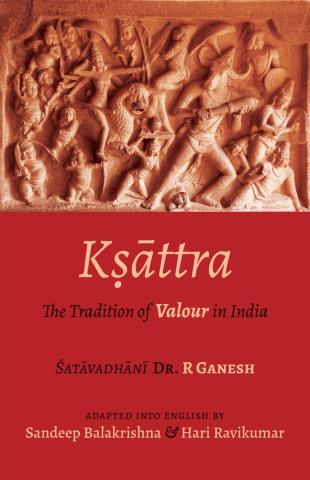
- Kṣāttra – The Tradition of Valour in India by Śatāvadhānī R Ganesh with English Translation of Sandeep Balakrishna and Hariravikumar, Prekshaa Pratishtana, 2023.
[1] पराभिचारशमनं परराज्यप्रदं शुभम् ॥ १६ ॥
कलिदोषापहरणं सर्वशत्रुनिबर्हणम् यस्य संस्मरणेनैव तृणां नश्यन्ति शत्रवः ॥ १७ ॥
[2] यो राजा यन्त्रमेतत्तु सादरं कारयेद्गृहे । तस्य भूमण्डलं सर्वं भवेद्वश्यं न संशयः ॥ १९ ॥ and राज्ञां रक्षाविधाने तु विशेषं शृणु नारद । राज्यार्थी हृतराज्यो वा परिभूतोऽथवा नृपैः ॥ ८२ ॥
[3] पिद्धाक्षं पिङ्गकेशाढ्यं रक्ताम्बरधरं विभुम् । युक्त षोडशभिर्हस्तैरष्टाभिर्वा महाद्युतिम् ॥ ६ ॥
पाशाङ्कुशाब्जमुसलधनुःशङ्खगदारिभिः । भीषणैरायुधवरैरुपेतं जयिनां वरम् ॥ ७ ॥
[4] See Ahirbhudhnya Samhitā 27.18-26
[5] नित्यमर्चयतो राज्ञः सप्तद्वीपवती मही । समुद्रवसना यैषा विश्वा वश्या भविष्यति ॥ ३४॥
[6] Benimādhava Ray sacrificed the tyrannical pathan generals to Goddess Kālī every new-moon day.
[7] It is found in the Ṛgvēda 10.125 and is also known as Vāksūktam. It was revealed to the Ṛṣikā (a female seer) Vāk Ambriṇī.
[8] The Khilas of the Rātrisūkta (10.127) extol her as the Supreme Reality and call her by the name of Durgā, Kātyāyanī, Kṛṣṇa, etc.
[9] मङ्गले साधकः स्नात्वा गत्वा श्मशानमण्डलम् ॥५ ३॥
अयुतं प्रजपेन्मन्त्रं होमो घृतविशालया । श्रीपर्णीमधुकोन्मिश्नैः श्रीफलैश्चिञ्चिनीफलैः ॥५४॥
मृत्युं याति रिपुर्देवि दशाहावधि मत्समः ।
[10] शुक्रे श्मशाने वीरेशो जपेदयुतसंख्यया । चिताग्रे मूलविद्यां तु तद्दशांशं हुनेद् घृतम् ॥५९॥
समण्डूकं शम्भूकं च रिपुमुच्चाटयेद् ध्रुवम् ।
[11] See Dēvīrahasyam 36.21-23
[12] भौमे गत्वा श्मशानं च जपेदयुतसंख्यया ॥ ७३ ॥
हुनेद्दशांशतो देवि सर्पिर्गोधूमपायसम् । दूर्वापत्रं सासवं च मृत्युश्च म्रियते क्षणात् ॥ ७४ ॥
[13] See Dēvīrahasyam, 48th Paṭala
[14] अयुतं प्रजपेन्मूलं वने साधकसत्तमः । वेतसीमूलगो वापि हुनेत् तत्र दशांशतः ॥ ४४ ॥
घृतपायसशम्बूकान् रिपुमृत्युमुखं व्रजेत् ।
[15] अयुतं प्रजपेन्मूलं साधकोऽश्वत्थमूलगः ॥ ४८ ॥
हुनेदाज्यं दशांशेन केशं स्त्रीणां त्वचं कणाः । रिपुमुच्चाटयेत् शीघ्रं यदि शक्रसमो भवेत् ॥ ४९ ॥
[16] Kulārṇava Tantra, 16th Ullāsa, Verse 119-125.
[17] समरेष्वपि भीमेषु पतत्सु रथदन्तिभिः । सङ्कटेषु दुरन्तेषु स्मृत्वेत्थं विजयी भवेत् ॥ २५ ॥
[18] हे मन्यो क्रोधाभिमामिन् देव ।
[19] नम॑स्ते रुद्र म॒न्यव॑ उ॒तोत॒ इष॑वे॒ नमः॑ । (Taittirīya Samhitā 4.5.1.1)
[20] ईशा॑नो मे म॒न्यौ श्रि॒तः । (Taittirīya Brāhmaṇa 3.10.8.9)
[21] प्रजापतेर्विस्रस्ताद्देवता उदक्रामंस्तमेक एव देवो नाजहान्मन्युरेव सोऽतिन्नन्तर्विततोऽतिष्ठत्सोऽरोदीत्तस्य यान्यश्रूणि प्रास्कन्दंस्तान्यस्मिन्मन्यौ प्रत्यतिष्ठन्त्स एव शतशीर्षा रुद्रः समभवत्सहस्राक्षः शतेषुधिरथ (Śatapatha Brāhmaṇa 9.1.1.6)
[22] अहश्चरोऽथ नक्तं च तिग्ममन्युः सुवर्चसः ॥ (Mahābhārata 13.17.46)
[23] नम उग्राय भीमाय नमः क्रोधाय मन्यवे । (Liṅga Mahāpurāṇa 1.96.77)
[24] Sāyaṇācārya explains the word dāsa as enemies and ārya foe as those who are superior in stength. The word dāsa should not be interpreted in the perverse translation of the leftists or the westerns
[25] यस्ते᳚ म॒न्योऽवि॑धद्वज्र सायक॒ सह॒ ओजः॑ पुष्यति॒ विश्व॑मानु॒षक् । सा॒ह्याम॒ दास॒मार्यं॒ त्वया᳚ यु॒जा सह॑स्कृतेन॒ सह॑सा॒ सह॑स्वता ॥
[26] इन्द्रेश्वरयोरेकार्थत्वादिन्द्रेश्वराभेदः (Collected works of Kāvyakaṇṭha Ganapati Muni, 5th Volume, 3rd aphorism)
[27] Rudra, Agni, Soma, Varuṇa, Marut, and Īśāna were absorbed in Śiva (The Essential Sanātana Dharma, pg 70)
[28] Sāyaṇācārya while commenting on the word says “तवसः बलवतोऽपि तवीयान् अत्यन्तं बलवान्”
[29] त्वं हि म᳚न्यो अ॒भिभू॑त्योजाः स्वय॒म्भूर्भामो᳚ अभिमातिषा॒हः । वि॒श्वच॑र्षणिः॒ सहु॑रिः॒ सहा᳚वान॒स्मास्वोजः॒ पृत॑नासु धेहि ॥
[30] See Ṛgvēda 10.83.5. This verse is a clear indication that the Vēdas promoted the Kṣāttra spirit and considered it essential to win against evil.
[31] ति॒ग्मेष॑व॒ आयु॑धा सं॒शिशा᳚ना अ॒भि प्र य᳚न्तु॒ नरो᳚ अ॒ग्निरू᳚पाः ॥ (Ṛgvēda Samhitā 10.84.1)
[32] सेना॒नीर्नः॑ सहुरे हू॒त ए॑धि ।
[33] अथैनमन्वीक्षेताप्रतिरथशाससौपर्णैः ॥ (Āśvalāyana Gṛhyasūtra 3.12.13)
[34] Ratha is normally a term used for chariots. But in the military texts it is used to denote the rank of a warrior or used for very powerful warriors in general. See Rathātirataha-Saṅkhyā Parva of the Mahābhārata.
[35] See Kṣāttra – The Tradition of Valour in India, pg 51-54.
[36] सं॒क्रन्द॑नोऽनिमि॒ष ए᳚कवी॒रः श॒तं सेना᳚ अजयत्सा॒कमिन्द्रः॑ ॥ (Ṛgvēda Samhitā 10.103.1)
[37] दु॒श्च्य॒व॒नः पृ॑तना॒षाळ॑यु॒ध्यो॒३॒॑ऽस्माकं॒ सेना᳚ अवतु॒ प्र यु॒त्सु ॥
[38] उद्ध॑र्षय मघव॒न्नायु॑धा॒न्युत्सत्व॑नां माम॒कानां॒ मनां᳚सि ।
[39] Go forward, O heros, conquer. May your arms be fierce. May Indra accord you happiness, by making you unassailable (in battle).
[40] अ॒धः स॒पत्ना᳚ मे प॒दोरि॒मे सर्वे᳚ अ॒भिष्ठि॑ताः ॥
[41] अ॒ध॒स्प॒दान्म॒ उद्व॑दत म॒ण्डूका᳚ इवोद॒कान्म॒ण्डूका᳚ उद॒कादि॑व ॥
[42] 104th Sūkta
[43] ऋषिर्ददर्श राक्षोघ्नं पुत्रशोकपरिप्लुतः । हते पुत्रशते तस्मिन् सौदासैर्दुःखितस्तदा ॥ (8.28)
[44] इन्द्रा᳚सोमा दु॒ष्कृते॒ मा सु॒गं भू॒द्यो नः॑ क॒दा चि॑दभि॒दास॑ति द्रु॒हा ॥
[45] Ṛgvēda Samhitā, 4th Maṇḍala, 4th Sūktam
[46] अस्ता᳚सि॒ विध्य॑ र॒क्षस॒स्तपि॑ष्ठैः ॥
[47] दहा॒शसो᳚ र॒क्षसः॑ पा॒ह्य१॒॑स्मान्द्रु॒हो नि॒दो मि॑त्रमहो अव॒द्यात् ॥
[48] यो नो॒ अरा᳚तिं समिधान च॒क्रे नी॒चा तं ध॑क्ष्यत॒सं न शुष्क᳚म् ॥
[49] अ॒स्मे क्ष॒त्राणि॑ धारये॒रनु॒ द्यून् ॥
[50] May we conquer the cattle of the enemies with the bow; with the bow may we be victorious in battle, may we overcome our fierce-exulting enemies with the bow; may the bow disappoint the hope of the foe; may we subdue with the bow all hostile countries.
[51] द्वेष्यमरणार्थम्
[52] अपराजितगणे पाठात्तङ्गेणसाध्येषु सांग्रामिकादिकर्मसु विद्मा शरस्येति प्रथम सूक्तवद्विनियोगोनुसंधेयः ॥ (Sāyaṇabhāṣya)
[53] तथा विजयस्वस्त्ययनकर्मणि अनेन सूक्तेन आज्यं हुत्वा खङ्गादि शस्त्रं संपात्य अभिमन्त्र्य प्रयच्छेत् ॥ (Sāyaṇabhāṣya)
[54] अमूः पारे इति सूक्तेन विजयार्थायुधमदानादीनि स्वस्त्ययनानि पूर्वसूक्तवत् कुर्यात् । (Sāyaṇabhāṣya)
[55] तत्र भ्रातृव्यक्षयणम् इति प्रथमसूक्तेन अभिचारकर्मणि शरसमिदाधानम् कृष्णत्रीहियवतिलाद्यावपनं च कुर्यात् । (Sāyaṇabhāṣya)
[56] भ्रा᳚तृव्य॒क्षय॑णमसि भ्रातृव्य॒चात॑नं मे दाः॒ स्वाहा᳚ ॥
[57] आयमगन् पर्णमणिः इत्यनेन सूक्तेन तेजोवलायुर्धनादिपुष्टये पलाशवृक्षमणि वासितं कृत्वा संपात्य अभिमन्त्र्य बध्नीयात् । (Sāyaṇabhāṣya)
[58] तेन अभिचारकर्मणि खदिरोत्थाश्वत्थमणि संपात्य अभिमन्त्र्य बध्नीयात् ॥ (Sāyaṇabhāṣya)
[59] स्त्रीशूद्रकापालादिकृताभिचारदोषनिवृत्त्यर्थ दर्भापामार्गसहदेव्याद्या मन्त्रोक्ता ओषधीः शान्त्युदककलशे मक्षिप्य तदनुमन्त्रणविनियुक्त महाशान्तिगणे "ईशानां ला" इत्यादिसुक्तत्रयम् आवपनीयम् ।
[60] यम॒मी पु॑रोदधि॒रे ब्र॒ह्माण॒मप॑भूतये । इन्द्र॒ स ते᳚ अधस्प॒दं तं प्रत्य॑स्यामि मृ॒त्यवे᳚ ॥
[61] Liṅga is the power of words to denote or point out something. See Śābarabhāṣya 3.2.1.1-2
[62] दु᳚न्दु॒भौ कृ॒त्यां यां च॒क्रुः पुनः॒ प्रति॑ हरामि॒ ताम् ॥
[63] "अव मन्युः” इति तृचेन संग्रामजयकर्माणि कुर्यात् । तानि च आज्यहोमः सक्तुहोमः धनुरिध्मेग्नौ धनुःसमिदाधानम् शरेध्मेग्नौ शरसमिदाधानम् संपातिताभिमन्त्रितधनुःप्रदानं च प्रत्येतव्यानि । एतेषु कर्मसु अनुष्ठितेषु संग्रामे दृष्टमात्रेण शत्रवः पलायन्ते । (Sāyaṇabhāṣya)
[64] "वातरंहाः" इति तृचेन अश्वशान्तौ आज्यं हुत्वा उदपात्रे संपातान् आनीय तेनोदकेन सूत्रोक्तरीत्या अश्वम् आचामयेत् आप्लावयेच्च । (Sāyaṇabhāṣya)
[65] This sūka contains three ṛks eulogizing the war chariot.
[66] अत्र आद्येन तृचेन नवं रथम अभिमन्त्र्य जयकामं राजानं रथम् आरोहयेत् ।
[67] वृ॒श्च द॑र्भ स॒पत्ना᳚न्मे वृ॒श्च मे᳚ पृतनाय॒तः। वृ॒श्च मे॒ सर्वा᳚न्दु॒र्हार्दो᳚ वृ॒श्च मे᳚ द्विष॒तो म॑णे ॥
Concluded.