Kṣāttra Rites - 2

This article is part 2 of 10 in the series Kṣāttra Rites in Sanātana-dharma

The Tattva Behind Abhicāra

Abhicāra is defined as the performance of specific rites directed toward an adversary with the intent of causing harm or neutralisation[1]. The term has often been mistranslated as "witchcraft" or "black magic," both of which carry modern, culturally dissonant connotations. In truth, abhicāra comprises twelve types[2]: (1) elimination, (2) expulsion, (3) annihilation, (4) paralysis, (5) stupefying, (6) nailing down, (7) robbing one’s speech, (8) robbing one’s voice, (9) deafening, (10) blinding, (11) making someone impotent, and (12) shapeshifting.

The word pratyabhicāra is also mentioned in the Vedas and Āgamas; these rites are considered more potent and are both defensive and offensive. Notably, these rituals were accessible to women in both Vedic and Āgamic traditions.

The Vedas are the oldest literary creation of the world and are considered the most sacred as well as the source of all knowledge. From the traditional point of view, the initial parts of the Vedas[3] are meant for performing yāgas. Abhicāras are associated with the mantras and performances in the Vedas. There is a misconception among the Hindus that it is only the Atharvaveda which deals with abhicāra rites. But a deep study of the Vedas reveals that the Ṛgvēda, Yajurvēda and the Sāmaveda also contain abhicāra.

Mīmāṃsā’s Contentious Stance

The Mīmāṃsakas have unfairly criticised abhicāra rituals. Without understanding these rites fully, they completely reject them and deem them as sinful[4]. They very cleverly limit themselves to optional rites like Śyēna, Vajra and Sandaṃśa but are completely silent on the abhicāras performed as an obligation during the Agnyādheya, Darśapūrṇamāsa, Agniṣṭoma, Jyōtiṣṭoma, etc. Most of the time abhicāras were mandatory and not optional, contrary to the Mīmāṃsā doctrine. The sages Āśvalāyana, Baudhāyana, Āpastamba, Bhāradvāja, and others, who authored the Kalpa-sūtras, prescribe the performance of abhicāras in the Sōma-yāgas, reflecting a divergence from Mīmāṃsā orthodoxy.

Even in ancient texts like the Mahābhārata and Vālmīki-Rāmāyaṇa, we see that abhicāra was performed by both the warriors[5] and the sages[6]. Even in the Purāṇas we often see sages, brāhmāṇas and kṣattriyas performing abhicāra rites. The most notable incident among them is the pratyabhicāra oblation poured in the dakṣiṇāgni[7] by sage Bhṛgu to the Ṛbhus seeking protection against the attendants of Lord Śiva[8]. Even Manu, the famed jurist of this nation, whom Mīmāṃsakas consider as an authoritative figure, prescribes abhicāra[9] against enemies. Therefore, the views of Śabara and Prabhākara do not seem to fit well within the Hindu scriptures. The Mīmāṃsakas define dharma as “That which, being desirable, is indicated by Vaidika injunction[10]. Yet they reject abhicāras which are propounded by the Vedas. They completely ignore the essence behind abhicāra and turn quite adamant in their stance.

Therefore, the stance of Mīmāṃsakas regarding abhicāra is not just illogical but highly contradictory to their doctrine. Even historically, there is a plethora of evidence that shows brāhmaṇas and kings performing abhicāras against enemies, thus rejecting the stance of the Mīmāṃsakas. Kumārila Bhaṭṭa, a towering figure in the Mīmāṃsā school, in his Tantra-vārttika, validates abhicāra and pratyabhicāra rituals while establishing the authority of the Atharvaveda, going against Śabarasvāmī’s interpretation[11]. Later thinkers like Khaṇḍadeva have also attempted to reconcile abhicāra with Mīmāṃsā principles[12].

Scholarly Misunderstandings

Modern scholars like G. U. Thite and Purna Chandra Sahoo have critiqued the stance of the Mīmāṃsakas, but their own interpretations fall short. Explaining the logic behind abhicāra Purna Chandra Sahoo says –

“People in the then society were not only godfearing and rule-abiding by nature but they were also highly ambitious, envious and covetous towards worldly possessions which led them to cause harm towards others either openly or secretly through their means of magical rituals.”[13]

He bases this opinion on some abhicāras found in the Atharvaveda. This view disregards abhicāras used for strategic wartime advantage, national defence, or troop empowerment, which clearly reflect a kṣāttra orientation. His understanding of abhicāra is not something which one can agree with, despite his scholarly work in the Vedas.

The majority of abhicāra rites were not born of pettiness, but from the dhārmic need to protect and prevail. Kṣātṭra-driven abhicāras were crucial tools of psychological warfare and spiritual empowerment for the kṣattriyas. Secondary forms of abhicāra, such as those invoking love, potency, or harmony among co-wives, addressed the domains of artha and kāma, and though fewer in number, they too held significant relevance.

Conclusion

This article will focus solely on kṣāttra-related abhicāras—those rooted in enemy neutralisation and the strengthening of martial prowess. Most of the abhicāras contained in the Vedas, Āgamas, and Smṛti texts are related to the destruction of enemies and enhancing the valour, morale and strength of soldiers. The Śata-rudrīyam states that “Him whom we hate and he who hates us, I place him within your jaws”[14]. The Atharva-veda also states that violence needs to be answered with violence alone[15].

Many psychological studies[16] have shown the need and efficacy of rituals: they help in regulating emotions and also connect and unite society. Abhicāras like Śyēna, Ajira, and Vajra are large-scale Soma-yāgas that involve the participation of the entire society, which promote the emotion of valour of the kṣattriyas. From the foregoing it is evident that calling the abhicāras as rituals born out of envy, jealousy, or stating them as primitive is incorrect. We have to bear in mind that these rituals have been promoted throughout the Vedas, Kalpa-sūtras, Āgamas, and Tantras for a very good reason. 


[1] अभिचाराः मारणार्थे शत्रुभिः क्रियमाणानि कर्माणि (Sāyaṇācārya’s commentary on Atharva-veda 19.9.9)

[2] Siddha-yogeśvarī-mata

[3] Samhitā - Contains verses to be recited at the time the rituals are performed.

    Brāhmaṇa - Contains injunctions as to how the rituals are to be performed.

[4] See Śābara-bhāṣya 1.1.2 on the Mīmāṃsā-sūtras and Jaiminīya-nyāya-mālā 1.1.2

[5] Mēghanāda, son of Rāvaṇa worshiped Goddess Nikumbhilā through abhicāra. We also see him invoke the divine missile Brahmāstra after performing an abhicāra. See Vālmīki-Rāmāyaṇa 6.84.14. And 6.73.21-29 respectively

[6] Sage Cyavana created Madāsura to punish Indra. See Mahābhārata 3.124.17-19. Vālakhilyas also performed abhicāra for punishing Indra for his insolence (Skanda-māhā-purāṇa 6.1.79.14).

[7] The sacred fire placed in the southern direction of the yajṇa-altar in a half-moon-shaped pit. The cooking of animal meat and abhicāra is performed in this fire.

[8] Śiva-mahā-purāṇa 2.2.30.23-24

[9] Manusmṛti 11.30

[10] चोदनालक्षणोऽर्थो धर्मः ॥ (Mīmāṃsā-sūtras 1.1.2)

[11] Tantra-vārttika 1.3.4

[12] Bhāṭṭa-dīpikā 1.1.2

[13] Abhicāra Rites in The Veda, page 9

[14] यन्द्वि॒ष्मो यश्च॑ नो॒ द्वेष्टि॒ तं वोँ॒ जम्भे॑ दधामि ॥ (Taittirīya-samhitā 4.5.11.27)

[15] ययै॒व ससृ॑जे घो॒रं तयै॒व शान्ति॑रस्तु नः ॥ (Atharva-veda 19.9.3)

[16] See publications of the University of California and National Institute of Health

To be continued.


Author(s)

Soorya S A
About:

Soorya is student at Central Sanskrit University, Sringeri, studying BA Śāstrī in Mīmāṁsā. He is passionate about the Vedas, Mahābhārata, Advaita, Śivādvaita, and archery.

Prekshaa Publications

Karnataka’s celebrated polymath, D V Gundappa brings together in the eighth volume of reminiscences character sketches of his ancestors teachers, friends, etc. and portrayal of rural life. These remarkable individuals hailing from different parts of South India are from the early part of the twentieth century. Written in Kannada in the 1970s, these memoirs go beyond personal memories and offer...

Karnataka’s celebrated polymath, D V Gundappa brings together in the seventh volume of reminiscences character sketches of prominent scholars, businessmen, hoteliers, as well as of the laity. These remarkable individuals hailing from different parts of South India are from the early part of the twentieth century. Written in Kannada in the 1970s, these memoirs go beyond personal memories and...

Poets on Poetics: Literary Aesthetics Envisioned by Sanskrit Poets uncovers the tenets of literary theory conceptualized by masters from Bharata to Jagannātha that are embedded in the works of poets from Vālmīki to Nīlakaṇṭha-dīkṣita. Poets typically present their insights in the form of suggestive verses and rarely as an organized body of facts. Their exposition, inchoate though it might seem...

India is a land of stories. It is a fountainhead of various story-telling traditions of Greater India, Asia, and Europe. The now lost Bṛhat-kathā of Guṇāḍhya was an inexhaustible treasure-trove of stories that influenced generations of listeners. Somadeva’s Kathā-sarit-sāgara is a twelfth century Sanskrit retelling of this grand compendium. To read this work is to understand the heart of the...

Among the many contributions of ancient Indians to world thought, perhaps the most insightful is the realisation that ānanda (Bliss) is the ultimate goal of human existence. Since time immemorial, India has been a land steeped in contemplation about the nature of humans and the universe. The great ṛṣis (seers) and ṛṣikās (seeresses) embarked on critical analysis of subjective experience and...

One of the two great epics of India and arguably the most popular epic in the world, the Ramayana has enchanted generations of people not just in Greater India but the world over. In less than three hundred pages The Essential Ramayana captures all the poetic subtleties and noble values of the original and offers the great epic in an eminently readable form that will appeal to the learned and...

The Bhagavad-gītā isn’t merely a treatise on ultimate liberation. It is also a treatise on good living. Even the laity, which does not have its eye on mokṣa, can immensely benefit from the Gītā. It has the power to grant an attitude of reverence in worldly life, infuse enthusiasm in the execution of duty, impart fortitude in times of adversity, and offer solace to the heart when riddled by...

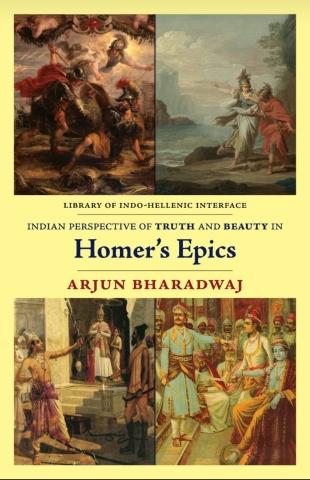
Indian Perspective of Truth and Beauty in Homer’s Epics is a unique work on the comparative study of the Greek Epics Iliad and Odyssey with the Indian Epics – Rāmāyaṇa and Mahābhārata. Homer, who laid the foundations for the classical tradition of the West, occupies a stature similar to that occupied by the seer-poets Vālmīki and Vyāsa, who are synonymous with the Indian culture. The author...

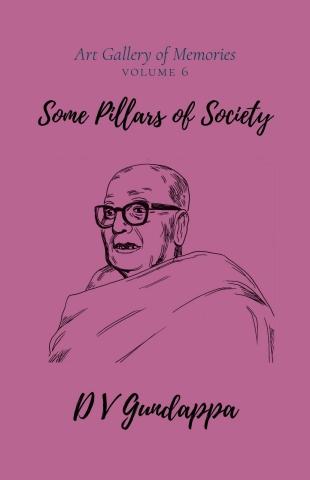
Karnataka’s celebrated polymath, D V Gundappa brings together in the sixth volume of reminiscences character sketches of prominent public figures, liberals, and social workers. These remarkable personages hailing from different corners of South India are from a period that spans from the late nineteenth century to the mid-twentieth century. Written in Kannada in the 1970s, these memoirs go...

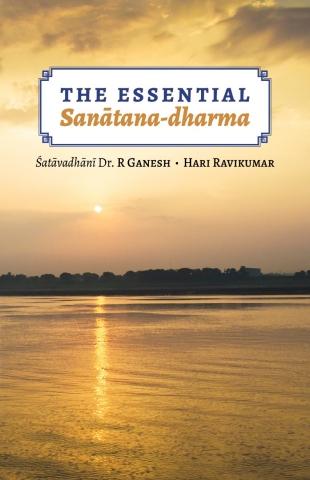
An Introduction to Hinduism based on Primary Sources

Authors: Śatāvadhānī Dr. R Ganesh, Hari Ravikumar

What is the philosophical basis for Sanātana-dharma, the ancient Indian way of life? What makes it the most inclusive and natural of all religio-philosophical systems in the world?

The Essential Sanātana-dharma serves as a handbook for anyone who wishes to grasp the...

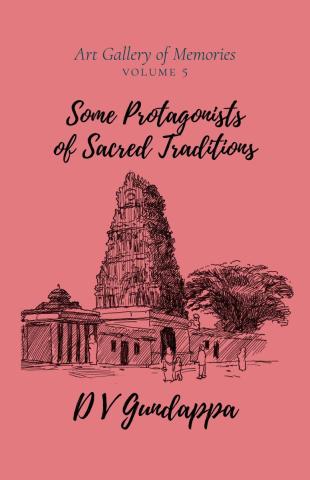
Karnataka’s celebrated polymath, D V Gundappa brings together in the fifth volume, episodes from the lives of traditional savants responsible for upholding the Vedic culture. These memorable characters lived a life of opulence amidst poverty— theirs  was the wealth of the soul, far beyond money and gold. These vidvāns hailed from different corners of the erstwhile Mysore Kingdom and lived in...
Padma Bhushan Dr. Padma Subrahmanyam represents the quintessence of Sage Bharata’s art and Bhārata, the country that gave birth to the peerless seer of the Nāṭya-veda. Padma’s erudition in various streams of Indic knowledge, mastery over many classical arts, deep understanding of the nuances of Indian culture, creative genius, and sublime vision bolstered by the vedāntic and nationalistic...

Bhārata has been a land of plenty in many ways. We have had a timeless tradition of the twofold principle of Brāhma (spirit of wisdom) and Kṣāttra (spirit of valour) nourishing and protecting this sacred land. The Hindu civilisation, rooted in Sanātana-dharma, has constantly been enriched by brāhma and safeguarded by kṣāttra.
The renowned Sanskrit poet and scholar, Śatāvadhānī Dr. R...

ಛಂದೋವಿವೇಕವು ವರ್ಣವೃತ್ತ, ಮಾತ್ರಾಜಾತಿ ಮತ್ತು ಕರ್ಷಣಜಾತಿ ಎಂದು ವಿಭಕ್ತವಾದ ಎಲ್ಲ ಬಗೆಯ ಛಂದಸ್ಸುಗಳನ್ನೂ ವಿವೇಚಿಸುವ ಪ್ರಬಂಧಗಳ ಸಂಕಲನ. ಲೇಖಕರ ದೀರ್ಘಕಾಲಿಕ ಆಲೋಚನೆಯ ಸಾರವನ್ನು ಒಳಗೊಂಡ ಈ ಹೊತ್ತಗೆ ಪ್ರಧಾನವಾಗಿ ಛಂದಸ್ಸಿನ ಸೌಂದರ್ಯವನ್ನು ಲಕ್ಷಿಸುತ್ತದೆ. ತೌಲನಿಕ ವಿಶ್ಲೇಷಣೆ ಮತ್ತು ಅಂತಃಶಾಸ್ತ್ರೀಯ ಅಧ್ಯಯನಗಳ ತೆಕ್ಕೆಗೆ ಬರುವ ಬರೆಹಗಳೂ ಇಲ್ಲಿವೆ. ಶಾಸ್ತ್ರಕಾರನಿಗಲ್ಲದೆ ಸಿದ್ಧಹಸ್ತನಾದ ಕವಿಗೆ ಮಾತ್ರ ಸ್ಫುರಿಸಬಲ್ಲ ಎಷ್ಟೋ ಹೊಳಹುಗಳು ಕೃತಿಯ ಮೌಲಿಕತೆಯನ್ನು ಹೆಚ್ಚಿಸಿವೆ. ಈ ಗ್...

Karnataka’s celebrated polymath, D V Gundappa brings together in the fourth volume, some character sketches of the Dewans of Mysore preceded by an account of the political framework of the State before Independence and followed by a review of the political conditions of the State after 1940. These remarkable leaders of Mysore lived in a period that spans from the mid-nineteenth century to the...

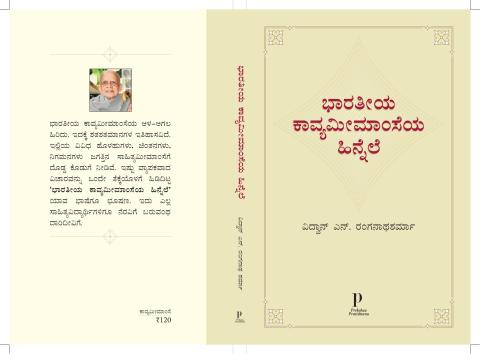
Bharatiya Kavya-mimamseya Hinnele is a monograph on Indian Aesthetics by Mahamahopadhyaya N. Ranganatha Sharma. The book discusses the history and significance of concepts pivotal to Indian literary theory. It is equally useful to the learned and the laity.

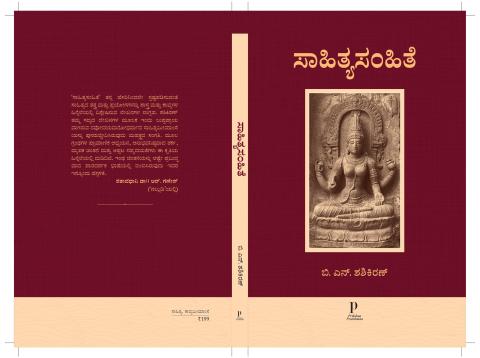
Sahitya-samhite is a collection of literary essays in Kannada. The book discusses aestheticians such as Ananda-vardhana and Rajashekhara; Sanskrit scholars such as Mena Ramakrishna Bhat, Sridhar Bhaskar Varnekar and K S Arjunwadkar; and Kannada litterateurs such as DVG, S L Bhyrappa and S R Ramaswamy. It has a foreword by Shatavadhani Dr. R Ganesh.

The Mahābhārata is the greatest epic in the world both in magnitude and profundity. A veritable cultural compendium of Bhārata-varṣa, it is a product of the creative genius of Maharṣi Kṛṣṇa-dvaipāyana Vyāsa. The epic captures the experiential wisdom of our civilization and all subsequent literary, artistic, and philosophical creations are indebted to it. To read the Mahābhārata is to...

Shiva Rama Krishna

சிவன். ராமன். கிருஷ்ணன்.
இந்திய பாரம்பரியத்தின் முப்பெரும் கதாநாயகர்கள்.
உயர் இந்தியாவில் தலைமுறைகள் பல கடந்தும் கடவுளர்களாக போற்றப்பட்டு வழிகாட்டிகளாக விளங்குபவர்கள்.
மனித ஒற்றுமை நூற்றாண்டுகால பரிணாம வளர்ச்சியின் பரிமாணம்.
தனிநபர்களாகவும், குடும்ப உறுப்பினர்களாகவும், சமுதாய பிரஜைகளாகவும் நாம் அனைவரும் பரிமளிக்கிறோம்.
சிவன் தனிமனித அடையாளமாக அமைகிறான்....

ऋतुभिः सह कवयः सदैव सम्बद्धाः। विशिष्य संस्कृतकवयः। यथा हि ऋतवः प्रतिसंवत्सरं प्रतिनवतामावहन्ति मानवेषु तथैव ऋतुवर्णनान्यपि काव्यरसिकेषु कामपि विच्छित्तिमातन्वते। ऋतुकल्याणं हि सत्यमिदमेव हृदि कृत्वा प्रवृत्तम्। नगरजीवनस्य यान्त्रिकतां मान्त्रिकतां च ध्वनदिदं चम्पूकाव्यं गद्यपद्यमिश्रितमिति सुव्यक्तमेव। ऐदम्पूर्वतया प्रायः पुरीपरिसरप्रसृतानाम् ऋतूनां विलासोऽत्र प्रपञ्चितः। बेङ्गलूरुनामके महा...

The Art and Science of Avadhānam in Sanskrit is a definitive work on Sāhityāvadhānam, a form of Indian classical art based on multitasking, lateral thinking, and extempore versification. Dotted throughout with tasteful examples, it expounds in great detail on the theory and practice of this unique performing art. It is as much a handbook of performance as it is an anthology of well-turned...

This anthology is a revised edition of the author's 1978 classic. This series of essays, containing his original research in various fields, throws light on the socio-cultural landscape of Tamil Nadu spanning several centuries. These compelling episodes will appeal to scholars and laymen alike.
“When superstitious mediaevalists mislead the country about its judicial past, we have to...

The cultural history of a nation, unlike the customary mainstream history, has a larger time-frame and encompasses the timeless ethos of a society undergirding the course of events and vicissitudes. A major key to the understanding of a society’s unique character is an appreciation of the far-reaching contributions by outstanding personalities of certain periods – especially in the realms of...

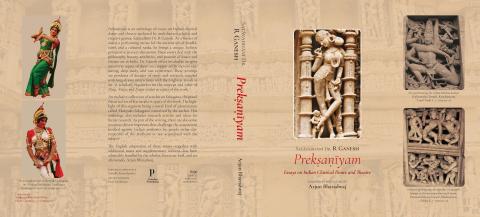
Prekṣaṇīyam is an anthology of essays on Indian classical dance and theatre authored by multifaceted scholar and creative genius, Śatāvadhānī Dr. R Ganesh. As a master of śāstra, a performing artiste (of the ancient art of Avadhānam), and a cultured rasika, he brings a unique, holistic perspective to every discussion. These essays deal with the philosophy, history, aesthetics, and practice of...

Yaugandharam

इदं किञ्चिद्यामलं काव्यं द्वयोः खण्डकाव्ययोः सङ्कलनरूपम्। रामानुरागानलं हि सीतापरित्यागाल्लक्ष्मणवियोगाच्च श्रीरामेणानुभूतं हृदयसङ्क्षोभं वर्णयति । वात्सल्यगोपालकं तु कदाचिद्भानूपरागसमये घटितं यशोदाश्रीकृष्णयोर्मेलनं वर्णयति । इदम्प्रथमतया संस्कृतसाहित्ये सम्पूर्णं काव्यं चम्पकमालोत...

Vanitakavitotsavah

इदं खण्डकाव्यमान्तं मालिनीछन्दसोपनिबद्धं विलसति। मेनकाविश्वामित्रयोः समागमः, तत्फलतया शकुन्तलाया जननम्, मातापितृभ्यां त्यक्तस्य शिशोः कण्वमहर्षिणा परिपालनं चेति काव्यस्यास्येतिवृत्तसङ्क्षेपः।

Vaiphalyaphalam

इदं खण्डकाव्यमान्तं मालिनीछन्दसोपनिबद्धं विलसति। मेनकाविश्वामित्रयोः समागमः, तत्फलतया शकुन्तलाया जननम्, मातापितृभ्यां त्यक्तस्य शिशोः कण्वमहर्षिणा परिपालनं चेति काव्यस्यास्येतिवृत्तसङ्क्षेपः।

Nipunapraghunakam

इयं रचना दशसु रूपकेष्वन्यतमस्य भाणस्य निदर्शनतामुपैति। एकाङ्करूपकेऽस्मिन् शेखरकनामा चित्रोद्यमलेखकः केनापि हेतुना वियोगम् अनुभवतोश्चित्रलेखामिलिन्दकयोः समागमं सिसाधयिषुः कथामाकाशभाषणरूपेण निर्वहति।

Bharavatarastavah

अस्मिन् स्तोत्रकाव्ये भगवन्तं शिवं कविरभिष्टौति। वसन्ततिलकयोपनिबद्धस्य काव्यस्यास्य कविकृतम् उल्लाघनाभिधं व्याख्यानं च वर्तते।

Karnataka’s celebrated polymath, D V Gundappa brings together in the third volume, some character sketches of great literary savants responsible for Kannada renaissance during the first half of the twentieth century. These remarkable...

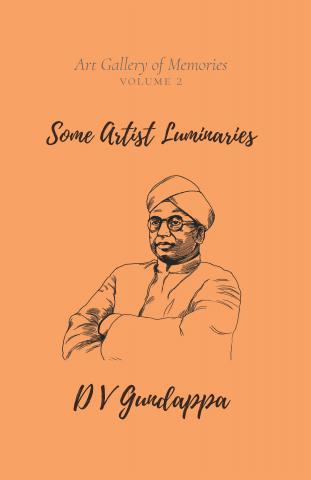
Karnataka’s celebrated polymath, D V Gundappa brings together in the second volume, episodes from the lives of remarkable exponents of classical music and dance, traditional storytellers, thespians, and connoisseurs; as well as his...

Karnataka’s celebrated polymath, D V Gundappa brings together in the first volume, episodes from the lives of great writers, poets, literary aficionados, exemplars of public life, literary scholars, noble-hearted common folk, advocates...

Evolution of Mahabharata and Other Writings on the Epic is the English translation of S R Ramaswamy's 1972 Kannada classic 'Mahabharatada Belavanige' along with seven of his essays on the great epic. It tells the riveting...

Shiva-Rama-Krishna is an English adaptation of Śatāvadhāni Dr. R Ganesh's popular lecture series on the three great...

Bharatilochana

ಮಹಾಮಾಹೇಶ್ವರ ಅಭಿನವಗುಪ್ತ ಜಗತ್ತಿನ ವಿದ್ಯಾವಲಯದಲ್ಲಿ ಮರೆಯಲಾಗದ ಹೆಸರು. ಮುಖ್ಯವಾಗಿ ಶೈವದರ್ಶನ ಮತ್ತು ಸೌಂದರ್ಯಮೀಮಾಂಸೆಗಳ ಪರಮಾಚಾರ್ಯನಾಗಿ  ಸಾವಿರ ವರ್ಷಗಳಿಂದ ಇವನು ಜ್ಞಾನಪ್ರಪಂಚವನ್ನು ಪ್ರಭಾವಿಸುತ್ತಲೇ ಇದ್ದಾನೆ. ಭರತಮುನಿಯ ನಾಟ್ಯಶಾಸ್ತ್ರವನ್ನು ಅರ್ಥಮಾಡಿಕೊಳ್ಳಲು ಇವನೊಬ್ಬನೇ ನಮಗಿರುವ ಆಲಂಬನ. ಇದೇ ರೀತಿ ರಸಧ್ವನಿಸಿದ್ಧಾಂತವನ್ನು...

Vagarthavismayasvadah

“वागर्थविस्मयास्वादः” प्रमुखतया साहित्यशास्त्रतत्त्वानि विमृशति । अत्र सौन्दर्यर्यशास्त्रीयमूलतत्त्वानि यथा रस-ध्वनि-वक्रता-औचित्यादीनि सुनिपुणं परामृष्टानि प्रतिनवे चिकित्सकप्रज्ञाप्रकाशे। तदन्तर एव संस्कृतवाङ्मयस्य सामर्थ्यसमाविष्कारोऽपि विहितः। क्वचिदिव च्छन्दोमीमांसा च प्रकल्पित...

The Best of Hiriyanna

The Best of Hiriyanna is a collection of forty-eight essays by Prof. M. Hiriyanna that sheds new light on Sanskrit Literature, Indian...

Stories Behind Verses

Stories Behind Verses is a remarkable collection of over a hundred anecdotes, each of which captures a story behind the composition of a Sanskrit verse. Collected over several years from...