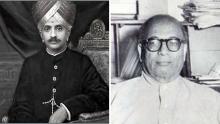
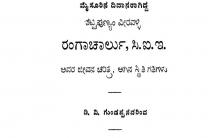
“ಪ್ರಜ್ಞಾಭಾರತಿ” ಶ್ರೀಧರ ಭಾಸ್ಕರ ವರ್ಣೇಕರ್ (೩೧.೦೭.೧೯೧೮—೧೦.೪.೨೦೦೦) ಅವರು ಆಧುನಿಕ ಸಂಸ್ಕೃತಸಾಹಿತ್ಯದ ಧ್ರುವತಾರೆ ಎಂದೇ ಕೀರ್ತಿತರು. ಅವರ ಕೃತಿಗಳು ರಾಷ್ಟ್ರಭಕ್ತಿ ಮತ್ತು ಉದಾತ್ತ ಕಲ್ಪಕತೆಗಳ ಬಿರುಕಿಲ್ಲದ ಬೆಸುಗೆಯ ಅಪೂರ್ವ ನಿದರ್ಶನಗಳು. ಅವರು ತಮ್ಮ ಸೃಷ್ಟಿಶೀಲ ರಚನೆಗಳಿಂದ ಸಂಸ್ಕೃತ ಮತ್ತು ಮರಾಠಿ ಭಾಷೆಗಳನ್ನು ಶ್ರೀಮಂತಗೊಳಿಸಿದ್ದಷ್ಟೇ ಅಲ್ಲದೆ ಆ ನುಡಿಗಳ ಪ್ರಕರ್ಷ-ಪ್ರಸಾರಗಳಿಗೆ ಕೂಡ ಅವಿಶ್ರಾಂತವಾಗಿ ದುಡಿದರು. ಕಾವ್ಯರಚನೆ, ಪತ್ರಿಕೋದ್ಯಮ, ವಿಶ್ವಕೋಶನಿರ್ಮಾಣ, ಸಂಸ್ಕೃತಿಪ್ರಚಾರ, ಸಾಂಸ್ಥಿಕ ಕಾರ್ಯನಿರ್ವಾಹ, ಸಮಾಜೋನ್ಮುಖ ಕಲಾಪಗಳೇ ಮೊದಲಾದ ಮಜಲುಗಳಲ್ಲಿ ಅವರ ಕರ್ಮಯೋಗ ವ್ಯಾಪಿಸಿದೆ.
Author:shashikiran
Now, we have to escape from here with great speed; else, fearing that his secret will be revealed, he will kill me. Since this room has been locked from outside, we can't depart through the door. Therefore, tie the thread around your neck, transform into a peacock, fly out of the window; I will extend my hand and untie the thread around your neck. I will tie that around my neck, become a peacock, and then fly out of the window.
Freedom or Anarchy[1]
Tipu Sultan complained to the then maṭhādipati of Śrṅgeri about the attacks of Marāṭhas on his kingdom. Svāmīji replied –
हसद्भिः क्रियते कर्म रुदद्भिरनुभूयते
“The fruits of deeds that we committed in joy
will have to be experienced in sorrow.”
Chanchal Rao’s Nourishment of Dharma
P Chanchal Rao was an Āndhra-brāhmaṇa. He was a great Sanskrit scholar and one who had gained expertise in all modern subjects concerning state administration. In conduct, he was extremely honest and pure.
“इदमन्धन्तमः कृत्स्नं जायेत भुवनत्रयं यदि शब्दाह्वयं ज्योतिरा संसारान्न दीप्यते” इत्येतद्दण्डिवचनं श्रद्दधानैः किल भारतीयैः भुवनभासिका भारती पुष्कलं समुपासिता समर्धिता च। अस्मत्प्राचीनैः साक्षात्कृतधर्मभिः दैवी वागन्वभावि; लौकिकी च वाक् समस्कारि। यथा हि शाब्दिकाः कृतकेतरां वाचं यथावदन्वाख्याय मानुषीं भाषां बहुधा व्याचक्रुः, तथैव छन्दःशास्त्रज्ञाः श्रुतिं छन्दःसञ्ज्ञां यथावत् समाम्नाय लौकिकानि बहूनि छन्दांसि प्रतिपादयामासुः। वेदपुरुषस्य चरणत्वेन छन्दः स्वीकृत्य तद्वर्णनव्याजेन विश्वविसृत्वरं पदविलासं ते वर्णयामासुः। छन्दःशास्त्रं वेदाङ्गमपि काव्याङ्गमपि। वेदवारि
Traditional forms of dance that have their roots in the upa-rūpakas are today called śāstrīya-nṛtya. There are several regional forms of śāstrīya-nṛtya (classical dance) such as Sadir, Tāphā, Keḻikè, Oḍissi, Mohiniyāṭṭam, Kūcipūḍi, Kathak, Maṇipuri, Gauḍīyā and Sattrīya. In fact, several of these dance forms are by-products of the original theatrical traditions.
The prince rode with his army to the borders of Vidiśānagara and sent word through an emissary to king Meghamālin seeking the hand of princess Haṃsāvalī. An elated Meghamālin himself came to meet Kamalākara and said “O prince! You need not have ridden so far for this. You had to but only send a missive expressing this noble wish of yours. I am indeed in favour of this alliance. Let me tell you why. When Haṃsāvalī was only a little girl, I was worried as to who might someday marry her. So much, in fact, that I became bedridden with fever.
Introduction
It is natural for artistes to try their hand at bringing novelty to their art. It is rather common to see new experiments and novel presentations being tried out in every form of art. Sanātana-dharma considers the world to be the poetry of the divine. Art is, after all, a part of this Deva-kāvya and we have added beauty to our life-poetry - jīva-kāvya - by innovating from time to time. Bhaṭṭa-nāyaka, one of the prominent commentators on the Nāṭyaśāstra writes the following benedictory verse: