Veturi Prabhakara Sastri mentions that the bharatavākya is found only in one of the manuscripts All other editions say that there is no bharatavākya. The bharatavākya itself is quite ordinary when compared to the one in Matta-vilāsa and as well be a later addition.
Author:gsr
Standing Committee
An incident took place at the Representative Assembly of Mysore. During one of the sessions of the Representative Assembly, M Venkatakrishnayya and a few other leaders personally invited the members of the Assembly to another private meeting. Those members arrived at a decision during the privately-organized meeting –
On Bharata’s repeated use of ‘bhāva’ in words such as vibhāva, anubhāva and vyabhicāri-bhāva:
It should be noted that Bharata has coined all these technical terms retaining the core-term bhāva to emphasize the role of imagination on the part of the spectator. (Indian Literary Theories, p. 146)
Freedom is the hallmark of beauty:
“ಮೇಲೆ ನೋಡೆ ಕಣ್ಣ ತಣಿಪ ನೀಲಪಟದಿ ವಿವಿಧ ರೂಪಜಾಲಗಳನು ಬಣ್ಣಿಸಿರ್ಪ ಚಿತ್ರಚತುರನಾರ್?” ಎಂಬ ಪದ್ಯವನ್ನು ಮಾಧ್ಯಮಿಕ ಶಾಲೆಯ ವಿದ್ಯಾರ್ಥಿಯಾಗಿ ಉರುಹೊಡೆದಾಗ ನನಗೆ ಪೂಜ್ಯ ಡಿ.ವಿ.ಜಿ. ಅವರ ಮತ್ತು ಅವರ ಸಾಹಿತ್ಯದ ಬಗೆಗೆ ಅಪಾರ ಆಕರ್ಷಣೆ, ಆಸಕ್ತಿ ಮತ್ತು ಗೌರವಗಳು ಆರಂಭವಾದವು. ನಾನು 1965ರಲ್ಲಿ ಕಾಲೇಜಿನ ವಿದ್ಯಾರ್ಥಿಯಾಗಿ ಬೆಂಗಳೂರು ಸೇರುತ್ತಿದ್ದ ಹಾಗೆಯೇ ಬೆಳಸಿಕೊಂಡ ಒಂದು ಅಭ್ಯಾಸವೆಂದರೆ ಗೋಖಲೆ ಸಾರ್ವಜನಿಕ ವಿಚಾರಸಂಸ್ಥೆಯ ಕಾರ್ಯಕ್ರಮಗಳಲ್ಲಿ ತಪ್ಪದೆ ಹಾಜರಿರುವುದು. ಆಗಲೇ ನನಗೆ ಶ್ರೀ ಪದ್ಮನಾಭನ್ ಅವರ ಪರಿಚಯವಾದದ್ದು.
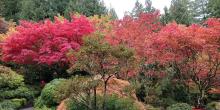
He was delighted to see Vinayavatī who was gathering flowers on the river bank while he was on the way to take bath. He bathed and by the time he came back, the parents of Vinayavatī - Tārāvalī and Raṅkumālin- had arrived. Raṅkumālin welcomed him and gave his daughter’s hand to him in marriage and also gave him a divine chariot. ‘Rule the earth bound by the four oceans with Vinayavatī!’, blessed Vijitāśu.
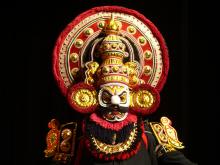
An interesting feature of Yakṣagāna is that movements are adapted as per the bhūmikā, i.e., character. The hèjjès, sthānakas, and hastas are a function of the nature, age, and characteristic features of the character-type to be portrayed.

Note
vivarisidenidāṃ pūrvadi
vivasvataṃgeṃdu Kṛṣṇanoreyal Pārthaṃ।
avatāraṃgaḻadeṃtene
svavapurdhṛti dharmarakṣegeṃdaṃ devaṃ॥
Said Kṛṣṇa to Arjuna “Long ago
To Vivasvān, this knowledge I had bestowed”.
When Arjuna wondered how it was possible,
He said his incarnations were to protect dharma.
karmamanivāryamāguṃ
nirmamateyināda karmamīśaprītaṃ ।
karmamayaṃ jagamellaṃ
dharmaṃ brahmaprabhāvameṃdaṃ Kṛṣṇaṃ ॥
Unless poetry caters to people with varying tastes, it will not find a strong footing. It naturally follows that the poet should know the ways of the world well. He should be capable of portraying its various dimensions in subtle and intricate ways as the occa-sion demands. Now the question arises: How does a poet acquire this ability? By gaining an insight into the forces that propel the activities of the world—the three guṇas—sattva, rajas and tamas.